


Lupin Plants
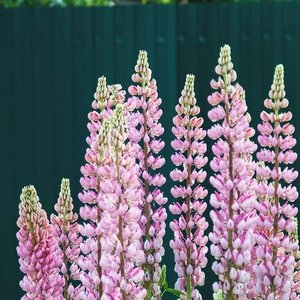
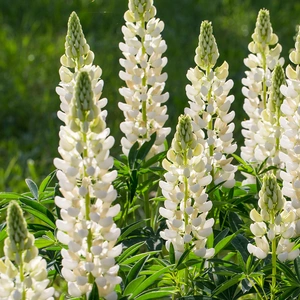
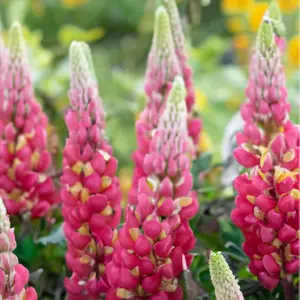
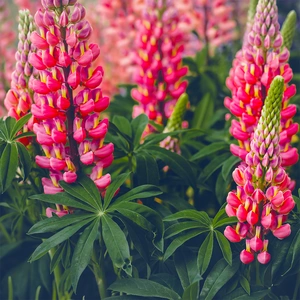
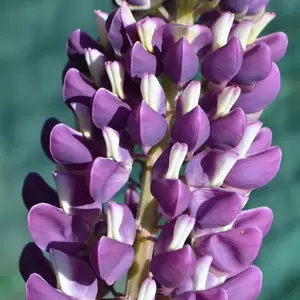
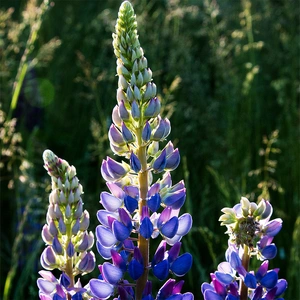
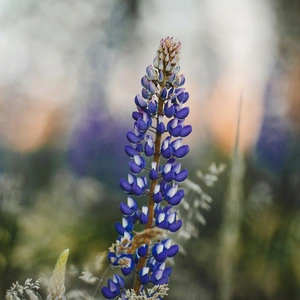
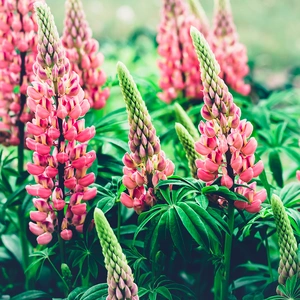
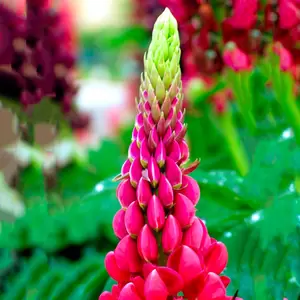
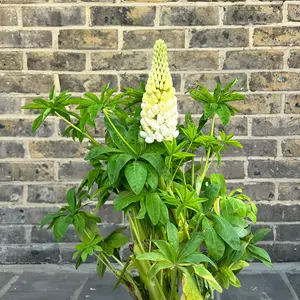
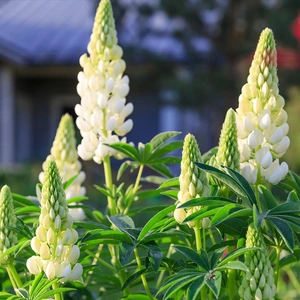
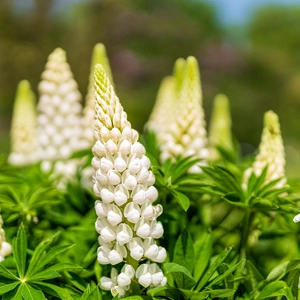
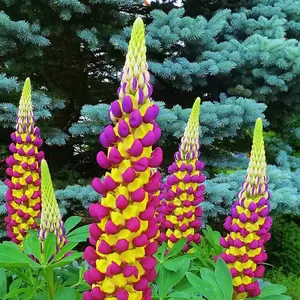
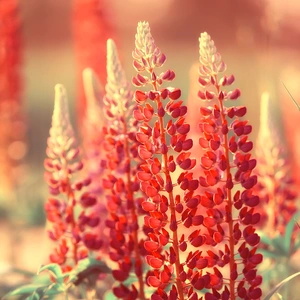
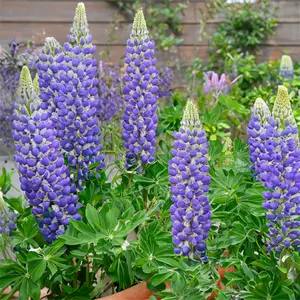
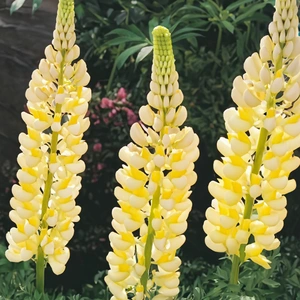
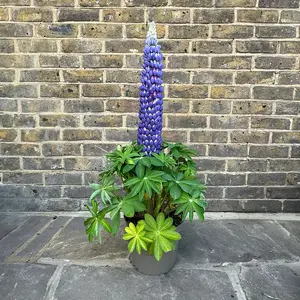
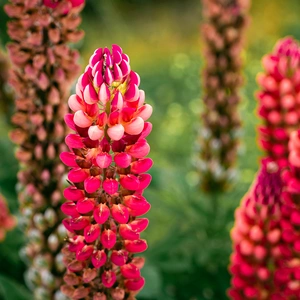
Lupin (Lupinus) delivers some of the most intense colour of the early summer border — dense, tapering racemes in a wide palette including bicolours, rising from bold palmate foliage. The Russell Hybrid group remains the benchmark for border performance, though the more compact 'Gallery' series suits smaller London gardens and containers. Lupins prefer slightly acidic, free-draining soil; they are nitrogen-fixers and generally improve the ground they grow in. Prone to slug damage in spring — protect young growth accordingly. Boma's lupin plants selection covers border lupins and tree lupins with a wide range of colourful flowers — visit us in Kentish Town for our current seasonal range.
About Our Lupin Plants Collection
Boma's lupin plants collection covers the key types for UK gardens. Perennial border lupins from the Russell Hybrid group — classically tall, densely packed flower spikes in bicolour, multi-colour, and single shades — are the backbone of the early summer border, growing to around 1.5m in good conditions. The 'Gallery' series of border lupins produces more compact plants at 50-60cm, well suited to smaller beds and containers. Tree lupins (Lupinus arboreus) are fast-growing, shrubby lupin plants with fragrant pale yellow or white flower spikes, reaching around 2m — ideal as a quick structural backdrop or for early establishment in new planting schemes.
Lupins prefer free-draining, slightly acidic soil in full sun — they tolerate partial shade but produce the finest flower spikes in a well-lit position. Dappled shade works in warmer gardens, though very dense shade reduces flowering significantly. In London's clay soils, improve drainage before planting, or grow lupin plants in containers with ericaceous-based, free-draining compost. Lupins are nitrogen-fixers and do not benefit from additional fertiliser — feeding with nitrogen-rich products produces lush foliage at the expense of flower spikes. Water newly planted lupins thoroughly to settle the roots, then maintain regular watering during dry spells through the growing season. Protect young plants from slug attack in spring — slugs are the main threat to lupin plants in the first weeks of growth.
Deadheading spent flower spikes promptly encourages lupin plants to produce secondary flower spikes later in summer — cut the main raceme down to a side shoot with new growth to trigger a second, smaller flush. After the second flush, allow foliage to die down naturally and cut stems back to ground level in late autumn. Border lupins die back fully in winter and re-sprout from the crown as new shoots in early spring. Lupin seeds are produced in abundance if flowers are not deadheaded; lupins can self-seed freely across the border. Note that all parts of lupin plants — including seeds — are poisonous and should not be ingested.