


Salvia Plants
Salvia plants offer exceptional range, from fully hardy perennial salvias such as S. nemorosa and S. x sylvestris to the half-hardy tender salvias (S. patens, S. confertiflora) that have transformed late-summer planting in recent years. Aromatic foliage, spikes of hooded flowers in blue, purple, red, and white, and strong pollinator value unite the group. Most perform best in well-drained soil with full sun; tender forms require frost-free overwintering. An indispensable genus for the structured naturalistic garden, shop our curated salvia plants at Boma in Kentish Town.
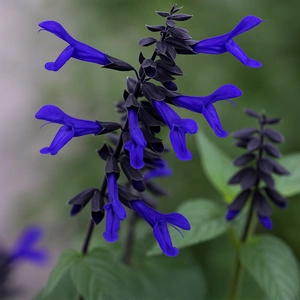
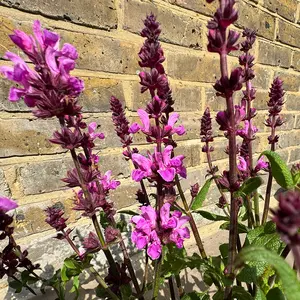
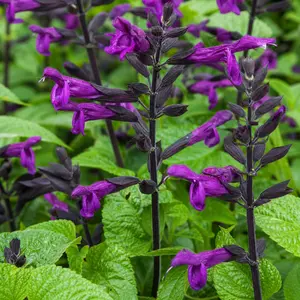
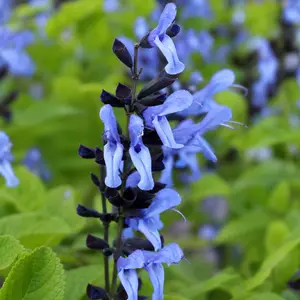

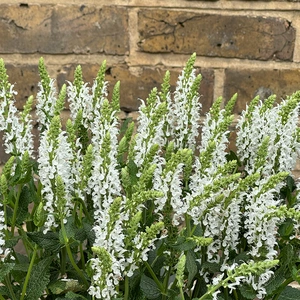
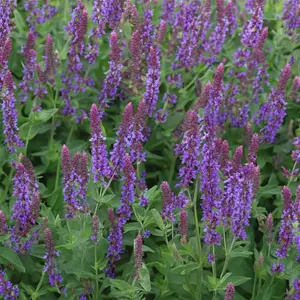
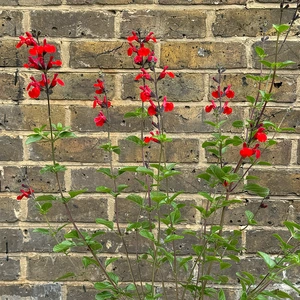
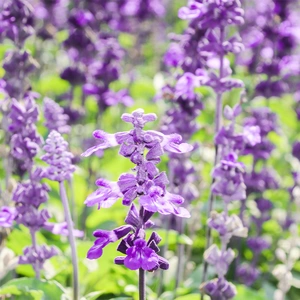
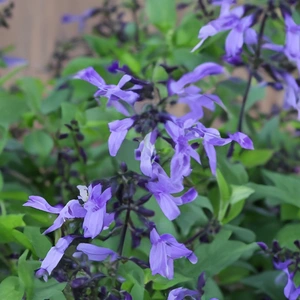
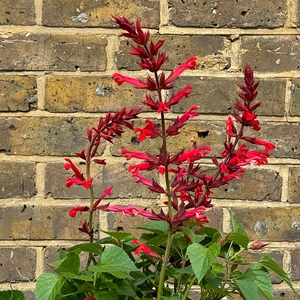
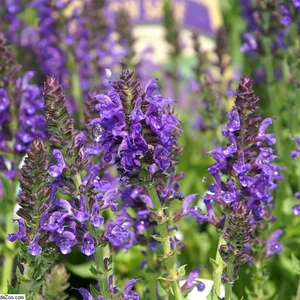
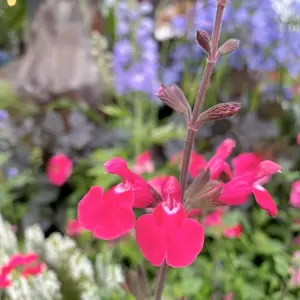
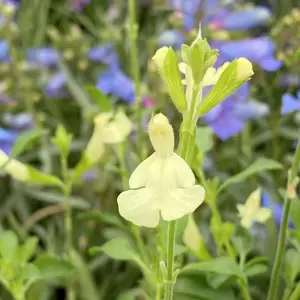
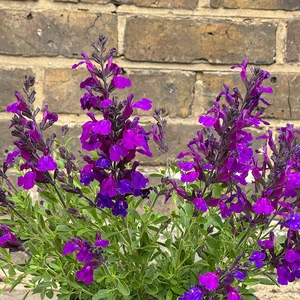
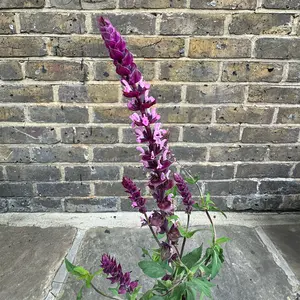
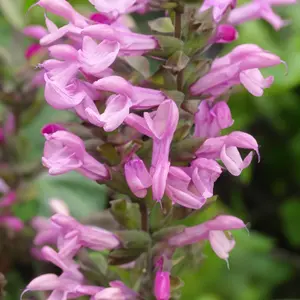
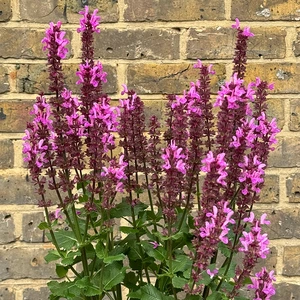
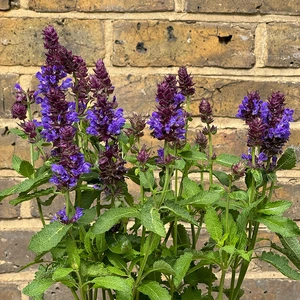
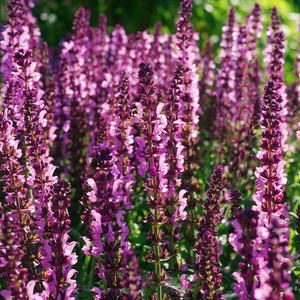
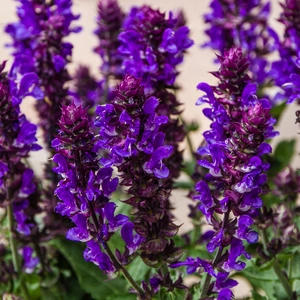
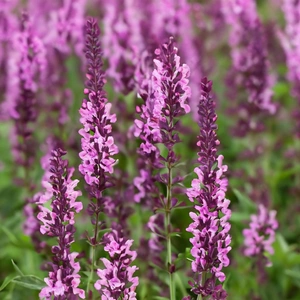
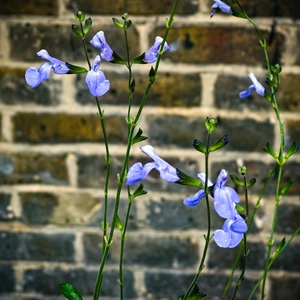
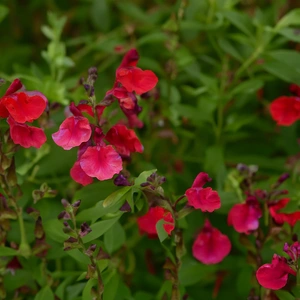
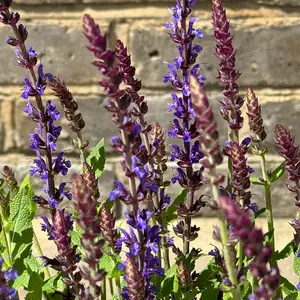
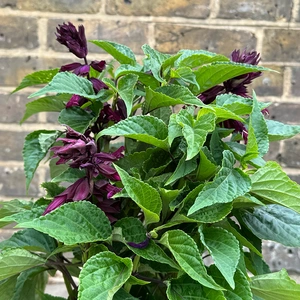
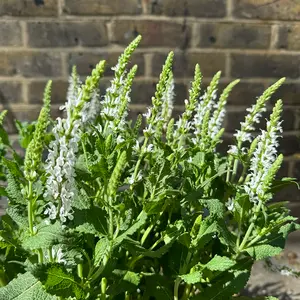
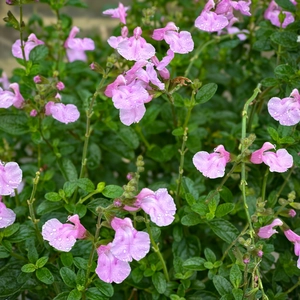
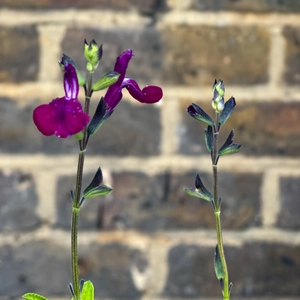
About Our Salvia Plants Collection
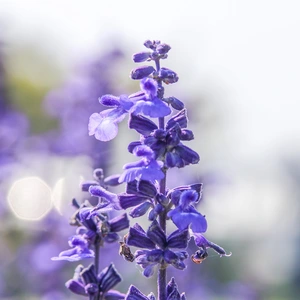
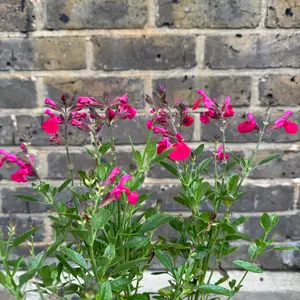
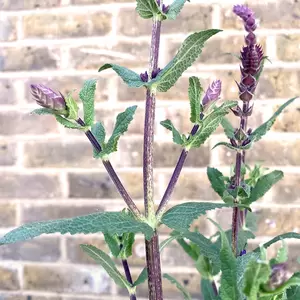
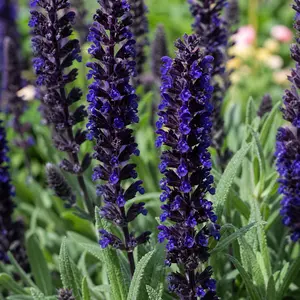
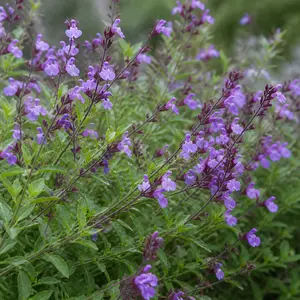
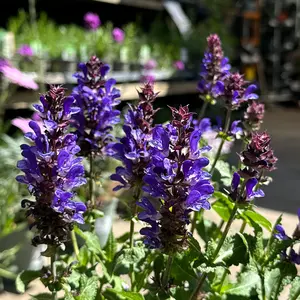
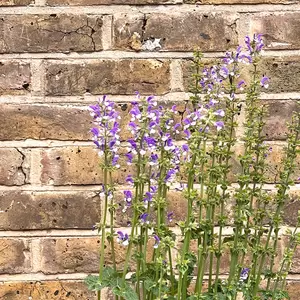
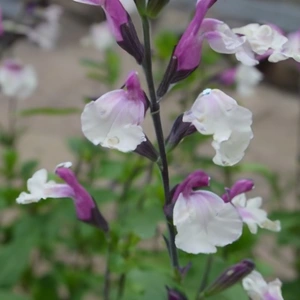
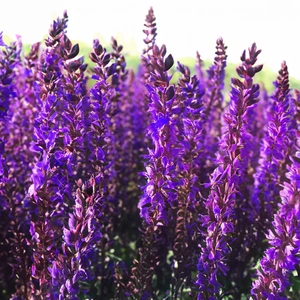
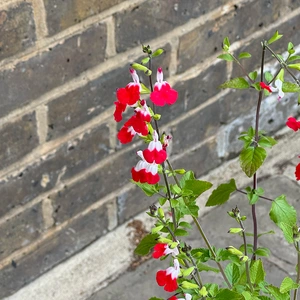
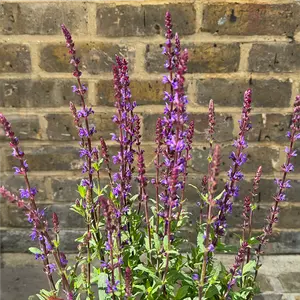
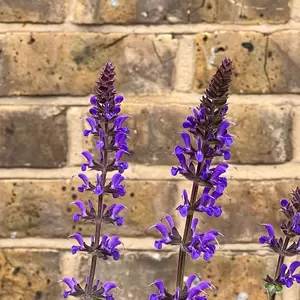
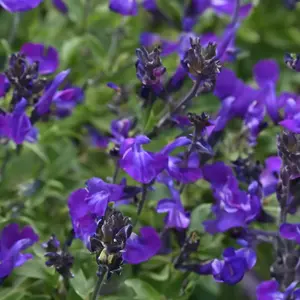
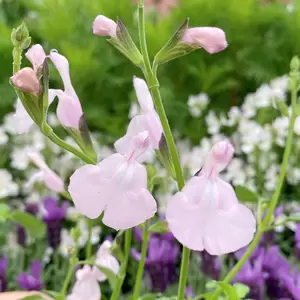
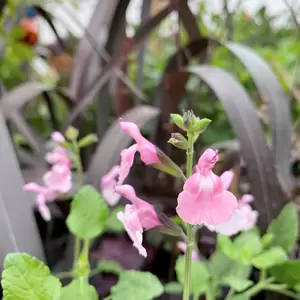
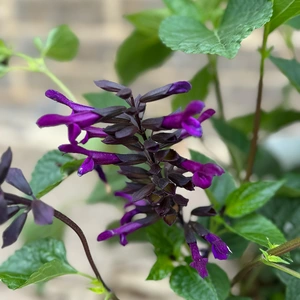
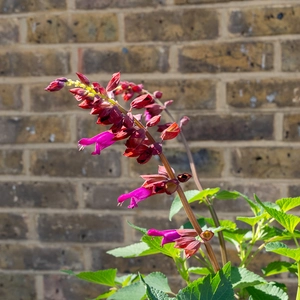
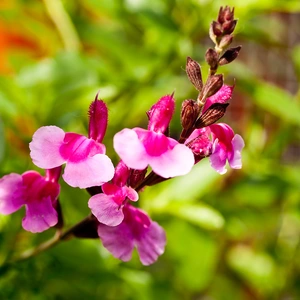
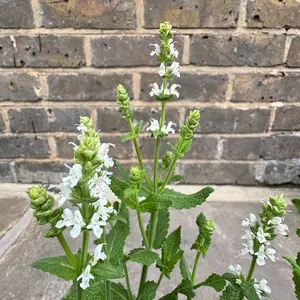
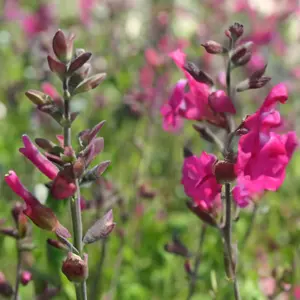
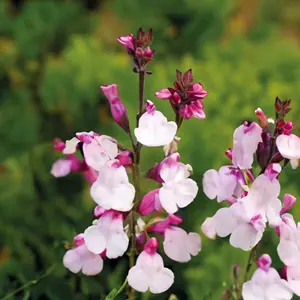
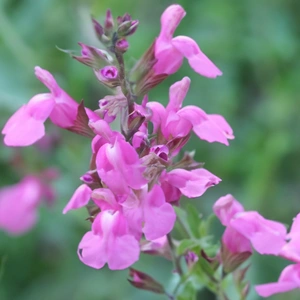
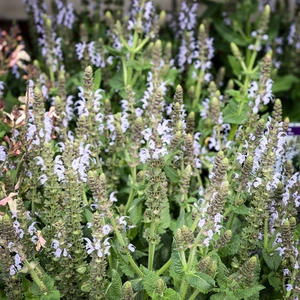
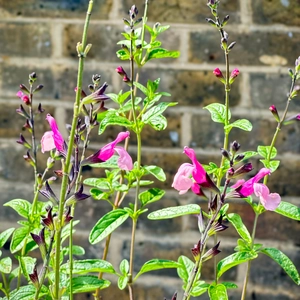
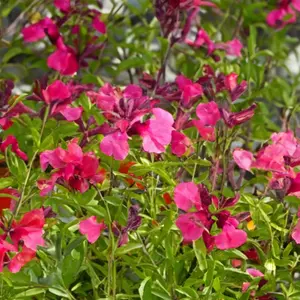
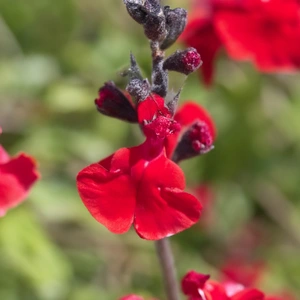
Our salvia plants collection spans every type, from the compact herbaceous perennial Salvia nemorosa 'Caradonna' and 'Blue Marvel' to shrubby salvias like Salvia microphylla 'Delice Aquamarine' and the ever-popular Salvia x jamensis 'Hot Lips' with its bicolour red flowers. Among the salvias most valued by London gardeners, ornamental salvias from the greggii and nemorosa groups deliver a reliable second flush of blooms well into autumn.
Most salvia plants thrive in full sun with at least six hours of direct sunlight daily and require free draining soil to prevent root rot; poor drainage is the primary cause of failure. Drought tolerant once established, they need regular watering only during the first growing season. Apply a thick layer of mulch before severe frost to protect roots, and hold off planting tender salvias until soil temperature reaches 10°C after the last frost date.
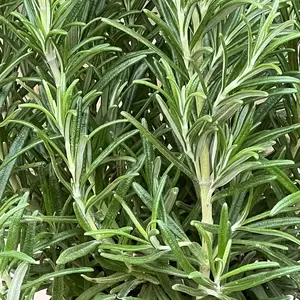
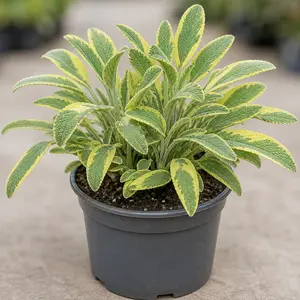
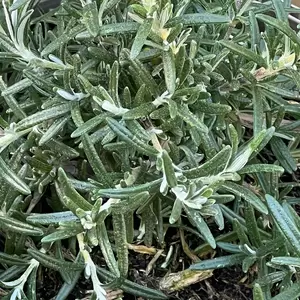
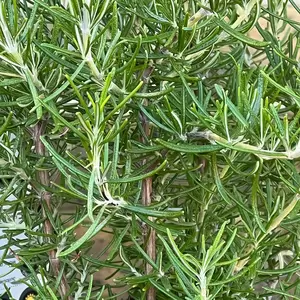
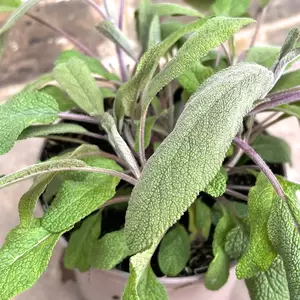
Salvia officinalis (common sage) sits at the heart of the mint family and is valued as culinary sage in kitchens as much as for its aromatic foliage in borders, pairing naturally with rosemary in herb beds. Shrubby evergreen forms such as Mexican bush sage bring drama late in the season, their long flower spikes irresistible to bees and butterflies, making salvia plants essential for wildlife gardens.