


Peace Lily Plants (Spathiphyllum) – Air-Purifying Indoor Plant
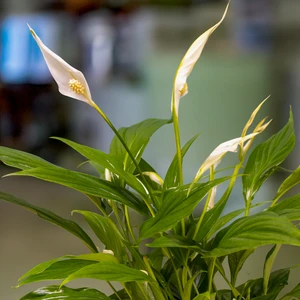
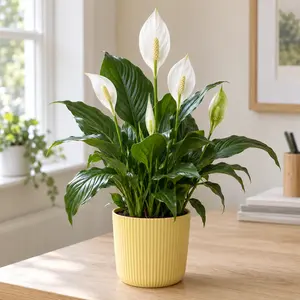
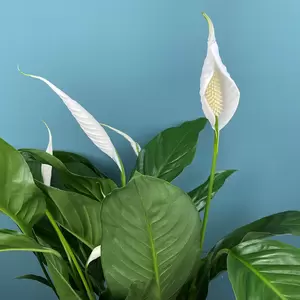
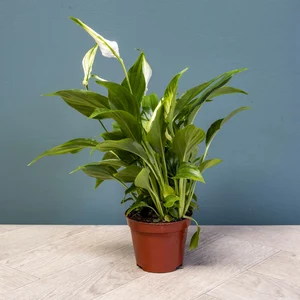
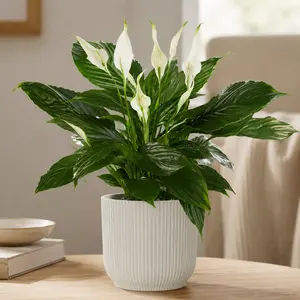
Explore the calming elegance of the Spathiphyllum peace lily (also known as White Sails) at Boma Garden Centre in Kentish Town. Known for its glossy deep-green leaves and lush, glossy green leaves, as well as its striking spathe flower and elegant white flowers that resemble delicate white sails, the Peace Lily is one of the best indoor plants for improving air quality and bringing a sense of serenity and tranquillity to any space, including bathrooms, kitchens, living rooms, bedrooms, offices, and shaded corners.
The Peace Lily makes a symbol of peace, purity, and harmony, making it a thoughtful gift for various occasions. Thriving in medium to low light, it’s an ideal idea for enhancing the atmosphere and decor of your home or as a meaningful gift.
At Boma, we offer premium Peace Lily varieties along with guidance on watering, feeding and long-term care to help your plant flourish throughout the year.
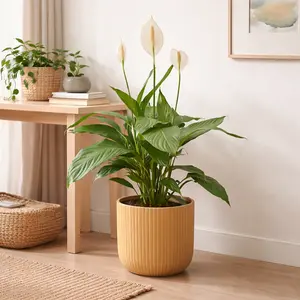
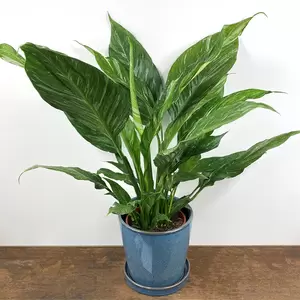
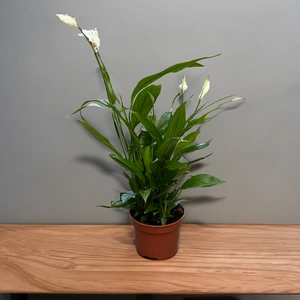
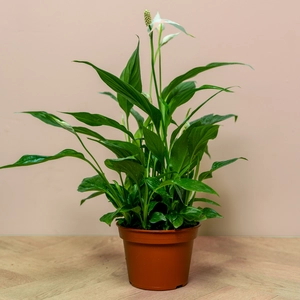

About Peace Lily (Spathiphyllum) House Plants at Boma
The Peace Lily (Spathiphyllum) is one of the most recognisable and rewarding indoor plants, loved for its lush green foliage, lovely size, and gorgeous, elegant white blooms, as well as its exceptional air-purifying qualities. A favourite for homes and workplaces, it thrives in medium to low light and brings a calm, uplifting presence to any interior. At Boma Garden Centre in Kentish Town, our Peace Lily collection is selected for health, resilience and suitability for London living. We offer our Peace Lily plants at a competitive price, ensuring great value for money for our customers. Our knowledgeable staff and excellent service make your shopping experience smooth and enjoyable.
Native to the tropical rainforests of Central and South America, the Peace Lily flourishes in shaded environments with consistent moisture and warm temperatures. This makes it an excellent choice for living rooms, bedrooms, offices, hallways and other spaces that receive softer light. If you want to update your home decor, you can easily replace artificial plants with real Peace Lilies to enhance both the natural beauty and air quality of your space.
With the right care, Spathiphyllum will grow steadily, increasing in size and producing more flowers as it matures, with its iconic white spathes appearing several times a year to add shape and contrast to indoor plant displays. Peace Lilies are also highly effective at removing toxins from the air, filtering out harmful toxins and improving indoor air quality.
Popular Peace Lily Varieties
Spathiphyllum wallisii
The classic and most widely grown Peace Lily, Spathiphyllum wallisii, is also known as 'White Sails' due to its distinctive blooms. It is known for its graceful arching stems and reliable flowering. This variety can become quite tall, making it a striking feature in any room. Ideal for beginners.
Spathiphyllum ‘Sweet Chico’
Compact and neat with slender leaves and a tidy growth habit. Perfect for desks, small spaces and minimalist interiors.
Spathiphyllum ‘Sensation’
The largest Peace Lily variety, with broad, architectural leaves that create dramatic impact. Excellent for spacious living rooms and offices.
Spathiphyllum ‘Domino’
A variegated form with marbled green-and-white foliage. Offers visual interest even when not flowering.
Spathiphyllum ‘Cupido’
Produces multiple blooms at once and has dense, attractive foliage. A great all-rounder for decorative styling.
How to Care for a Peace Lily
| Category | Guidelines |
|---|---|
| Light | Peace Lilies thrive in shade or partial shade, ideal for darker rooms or shaded corners. They do best in medium or low light, though bright, indirect light encourages more frequent flowering. Avoid direct sunlight, especially in summer, as it can scorch the leaves. |
| Watering | Check the top layer of soil before watering—it should be lightly moist. Allow the soil to dry slightly between waterings. If the plant droops, it indicates thirst; once watered, it will perk up again. They are sensitive to underwatering but recover well. Bathrooms with natural humidity are ideal locations. |
| Humidity & Temperature | Peace Lilies prefer moderate to high humidity and temperatures between 18–24°C. Keeping them near a humidifier or placing them in kitchens or bathrooms helps maintain healthy leaves. Typical indoor temperatures are usually suitable. |
| Feeding | Feed with a balanced liquid fertiliser every 4–6 weeks during spring and summer to support growth and flowering. Use a general houseplant fertiliser at a dilute strength. |
| Cleaning | Wipe leaves occasionally with a damp cloth to remove dust and improve photosynthesis efficiency. This also keeps foliage looking fresh and healthy. |
| Styling | Choose an attractive pot such as ceramic, matte-finish, or woven baskets for beauty and function. Peace Lilies suit corners, entryways, or reading nooks and are excellent natural alternatives to artificial plants, offering decorative appeal and air-purifying benefits. |