


Agapanthus Plants
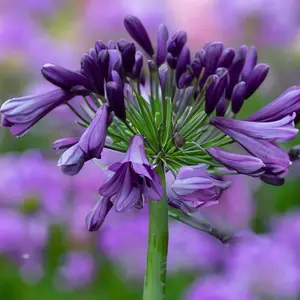
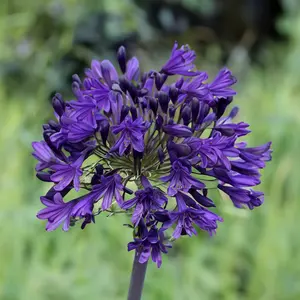
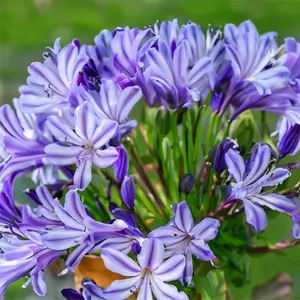
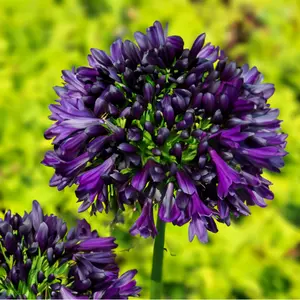
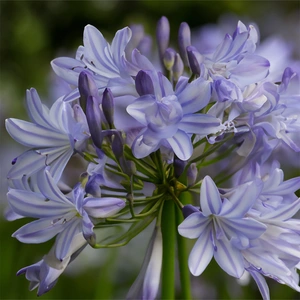
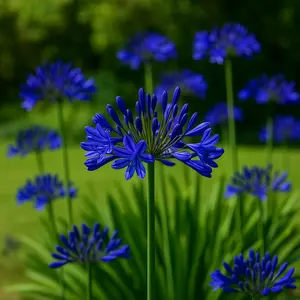
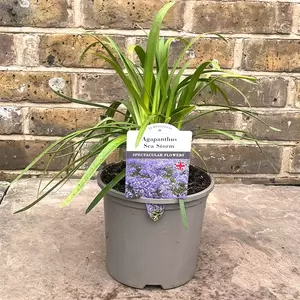
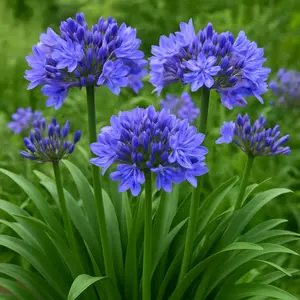
Agapanthus — the African lily, or Lily of the Nile — is one of the most architecturally striking summer-flowering plants for London gardens. Agapanthus plants produce tall scapes bearing globe-shaped flower heads in blue, white, and purple above strappy deciduous or evergreen foliage from midsummer into late summer. Deciduous agapanthus cultivars such as 'Headbourne Hybrids' are reliably hardy; evergreen agapanthus forms need winter protection in colder regions. Excellent African lily plants in large pots where root restriction encourages flower production. Browse our agapanthus range at Boma — our team can advise on growing agapanthus as an African lily in London borders, pots, and containers.

About Our Agapanthus Collection
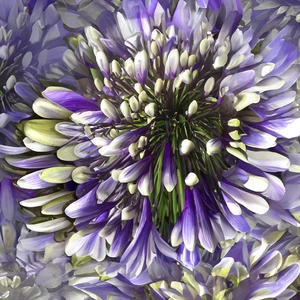
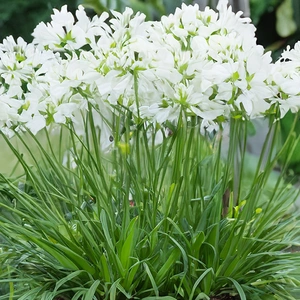
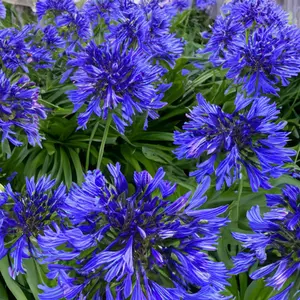
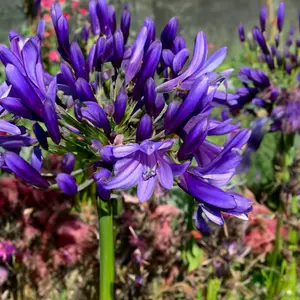
Boma's agapanthus plants cover all key African lily types for UK gardens. Deciduous agapanthus — the hardiest group — includes 'Headbourne Hybrids', which produce sky-blue and white African lily flowers on 90cm scapes in summer, and 'Loch Hope', a tall deciduous agapanthus with rich blue flower heads to 1.2m. Dwarf agapanthus such as 'Lilliput' (blue, 40cm) suit pots and small containers. Evergreen agapanthus plants including 'Peter Pan' and 'Snowball' are tender in colder regions — best grown as African lily plants in pots and moved to a greenhouse in winter. All agapanthus flower heads reach up to 25cm across; agapanthus flowers bloom from midsummer into late summer in blue, white, purple, and pink, making these African lily plants outstanding summer garden plants.
Growing agapanthus requires full sun and well-drained soil. Agapanthus thrive in sheltered, south or west-facing positions where the root zone stays warm through the growing season. African lily plants in pots and containers grow best in free-draining compost with added grit — growing agapanthus in pots restricts the roots and encourages flower production. Feed agapanthus plants with a high-potassium fertiliser every two weeks through summer; apply a balanced feed in spring to support new growth. Water agapanthus regularly through the growing season; established agapanthus are drought tolerant but need consistent watering in containers and when in active growth..
Agapanthus winter care depends on the type. Deciduous African lily cultivars — including 'Headbourne Hybrids' and most UK-bred agapanthus — are the most winter hardy; mulch the clumps with bark or compost in late autumn to protect roots from cold temperatures and frost. Evergreen agapanthus plants are tender and must be moved to a frost-free greenhouse or kept indoors through winter; agapanthus in pots and containers are easy to bring under cover. In colder regions, wrap agapanthus with horticultural fleece during cold spells to protect new growth.