


Euonymus Shrubs
Euonymus is one of the most adaptable evergreen shrubs in cultivation — tolerant of shade, pollution, coastal exposure, and most soil types. E. fortunei cultivars (including 'Emerald Gaiety' and 'Silver Queen') provide low ground cover or a wall-climbing habit, while E. japonicus selections offer larger, more formal evergreen structure. Both perform well in North London's varied aspect and soil conditions. Variegated forms bring year-round foliage interest to shaded corners where colourful planting is otherwise difficult to sustain. Suitable for hedging, topiary, and container work. Boma's euonymus plants collection covers evergreen and deciduous species — visit us in Kentish Town to explore our current range.
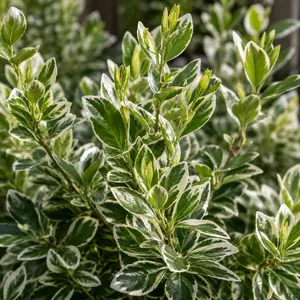
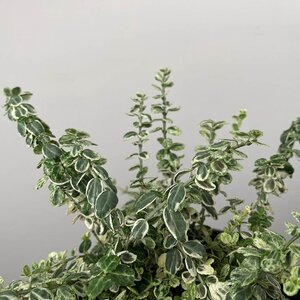
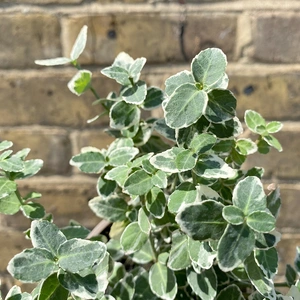
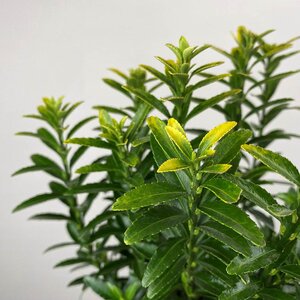


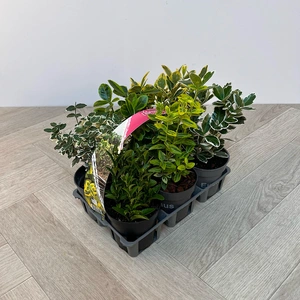
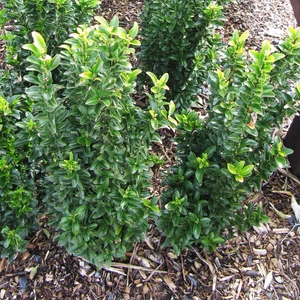
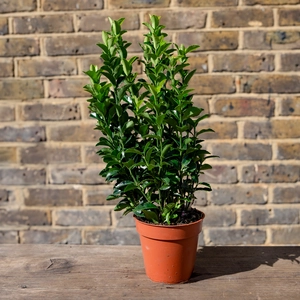
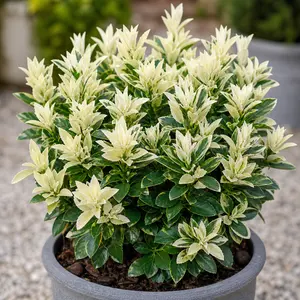
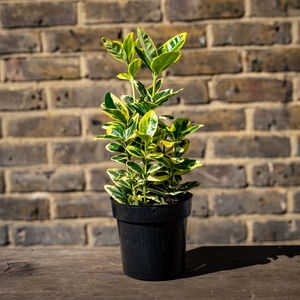
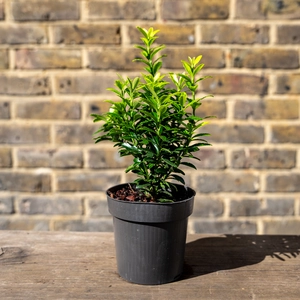
About Our Euonymus Plants Collection
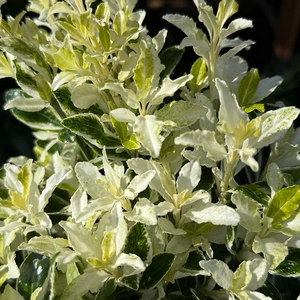
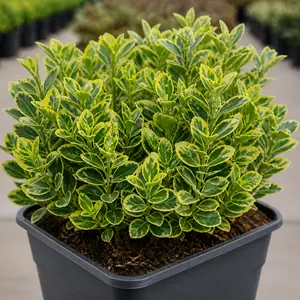
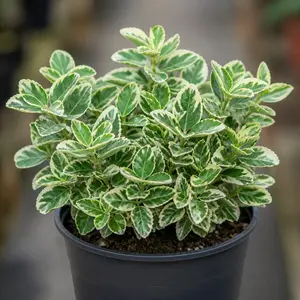
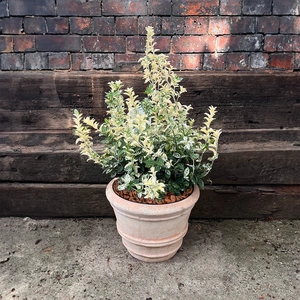
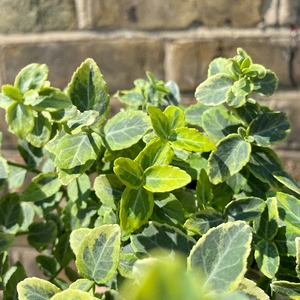
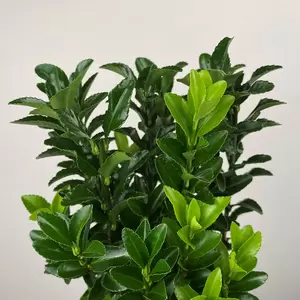
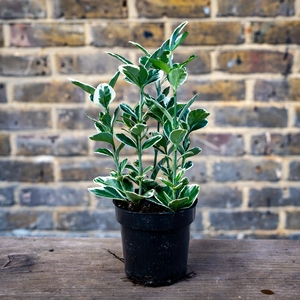
Boma's euonymus plants collection covers both evergreen and deciduous species, chosen for their versatility across a wide range of garden conditions. Evergreen euonymus plants for year-round foliage interest include E. fortunei cultivars — 'Emerald Gaiety' (white-edged), 'Emerald 'n' Gold' (gold-edged), and 'Silver Queen' (cream-variegated) — all compact, ground-hugging shrubs that can also self-attach to walls and fences as low climbers. E. japonicus selections offer larger, more formal evergreen structure with glossy dark green or variegated foliage, suited to hedging and topiary. Deciduous euonymus plants — notably E. alatus (the winged spindle) and E. europaeus (the spindle tree) — are grown principally for outstanding autumn colour, vivid pink and orange fruit, and seeds that attract birds into the garden.
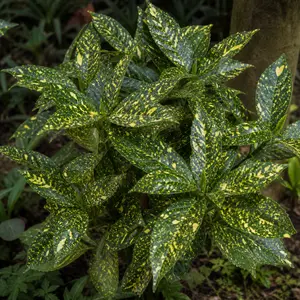
Euonymus plants are among the most tolerant shrubs in cultivation — they grow well in full sun, partial shade, and deep shade; in chalky soil, poor soils, clay, and coastal exposure; and they cope with urban pollution that limits less robust plants. Most euonymus plants prefer well-drained soil but tolerate most conditions provided waterlogging is not prolonged. Variegated forms produce the best leaf colour in at least half a day of sun; in deep shade, variegated euonymus leaves may revert toward plain green over time. Euonymus plants are low maintenance once established, needing only occasional trimming to maintain size and shape.
Euonymus plants serve many roles in the garden: as ground-covering mats beneath trees where little else grows; as wall-climbers (E. fortunei adheres to walls and fences without support); as low, dense hedge plants; as small trees or specimen shrubs; and as container plants for shaded patios. The deciduous spindle tree (E. europaeus) is an outstanding small tree for autumn colour — its crimson-red leaves combine with distinctive lobed pink and orange seed pods for one of the best autumn displays of any UK-hardy shrub.