


Delphinium Plants
Delphiniums — towering flowering plants of the northern hemisphere whose name delphinium derives from the Greek for dolphin — are among the most dramatic garden plants for summer borders. Delphinium plants produce tall flower spikes in blue, purple, lavender, pink, and white flower colours from late spring through early summer, making them a stunning focal point in cottage and formal borders alike. These tall hardy perennials reward careful cultivation with a breathtaking flowering season. Plant delphinium in full sun in a sheltered spot — Boma stocks a broad range of delphinium plants and flowering plants suited to London gardens.
About Our Delphinium Collection
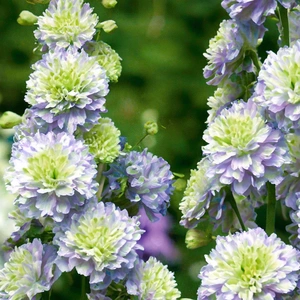
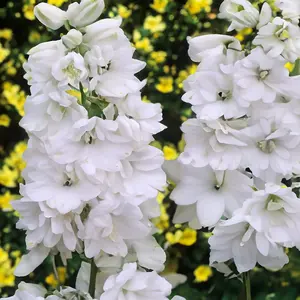
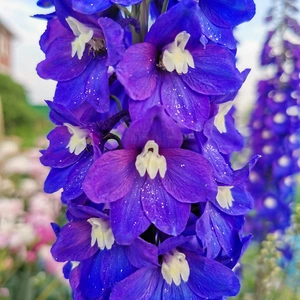
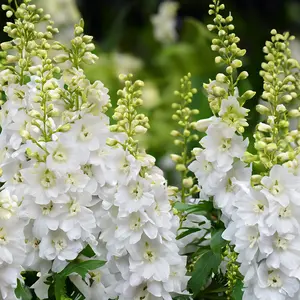
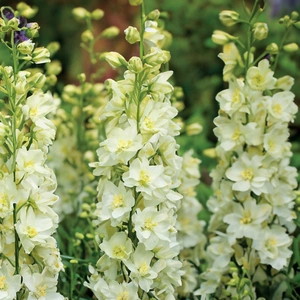
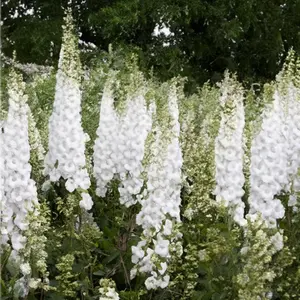
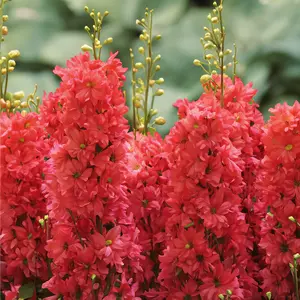
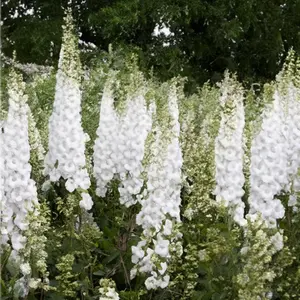
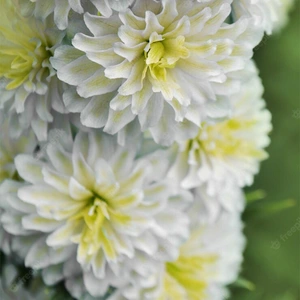
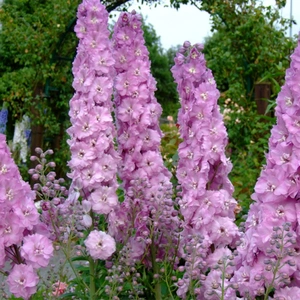
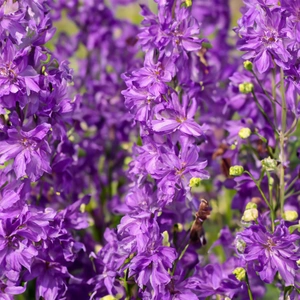
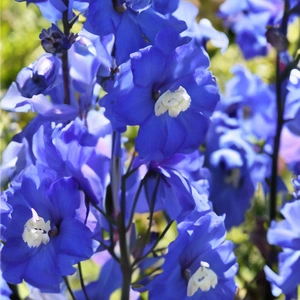
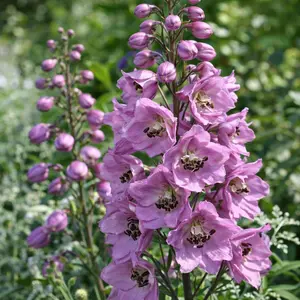
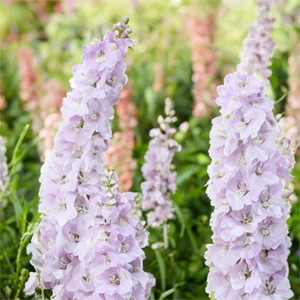
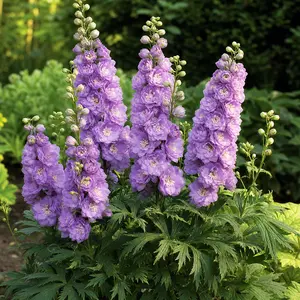
Boma's delphinium plants cover all key groups for UK border colour. Elatum delphiniums produce tall flower spikes of single or double flowers in rich colours — deep blue, purple, lavender, and pink, with contrasting petals and eyes — from compact Magic Fountain blooms at 75–90cm to Pacific Giants reaching over 2m. Long stems make delphinium plants among the finest cut flower garden flowering plants available. Annual delphiniums — larkspur (Consolida) — provide similar tall blue, purple, lavender, and yellow blooms from seed in a single season, quickly filling gaps between other plants. Butterflies visit both delphinium and larkspur flowers throughout summer.
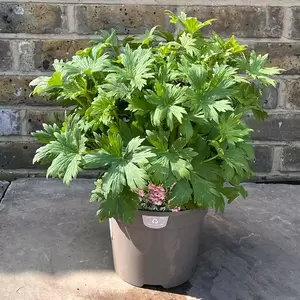
Plant delphinium in fertile, moist, well-drained soil enriched with organic matter — adding compost at planting improves structure and water retention through dry periods. Space plants at 45cm; planting depth should set the crown at soil level. Delphinium plants develop the strongest flower stems and richest growth in full sun; partial shade is tolerated but produces taller, weaker stems that flop. Stake tall delphinium plants at the start of the growing season to protect flower stems from strong winds. Apply a balanced fertiliser in spring, water regularly, and maintain moist soil through the growing season to fuel continuous growth.
Deadhead spent flowers and cut delphinium flower spikes to ground level after the first flush to trigger a second flush of blue, purple, and pink blooms in late summer, extending the flowering season into early autumn. New growth re-emerges from the crown each spring — cut all dead stems to ground level in late autumn as foliage dies back. Autumn planting and spring planting of pot-grown delphinium plants both establish well. Divide these hardy perennials every three years to maintain vigour. Note: the entire plant contains toxic alkaloids; contact with stems or foliage causes skin irritation.