


Philodendron Plants
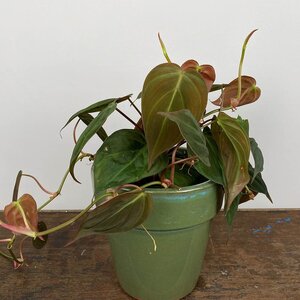
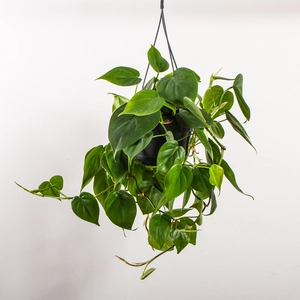
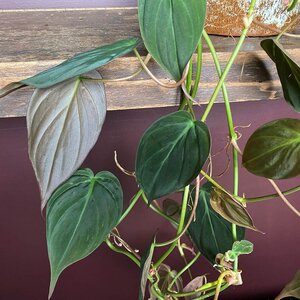
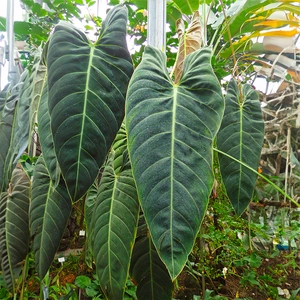
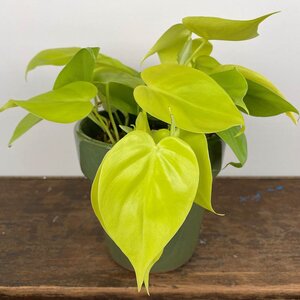
This staple houseplant comes in all different forms, from large swooping velvety leaves of Philodendron melanochrysum to delicate heart-shaped foliage and vine-like habit of philodendron scandens. Many philodendron varieties feature glossy leaves that add a vibrant, tropical appeal to any indoor space. The cascading vines of philodendron scandens make it especially suitable for hanging baskets, where its trailing growth can be showcased beautifully.
Philodendrons are known for being low maintenance, making them an excellent choice for both busy and novice gardeners due to their ease of care and resilience.
Philodendrons can be grown as an outdoor plant in tropical and subtropical climates, where they thrive in warm, humid conditions. In regions with cooler or less suitable climates, philodendrons are best kept as indoor plants year-round, or can be moved outdoors only during the warm months to enjoy the fresh air and extra light. Their foliage ranges from heart shaped leaves to lush green leaves and striking dark green shades, offering a variety of textures and colors. A large plant can serve as a dramatic centerpiece, enhancing living spaces and making a bold statement in any indoor space.

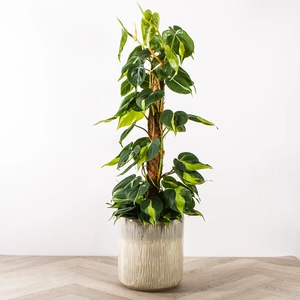
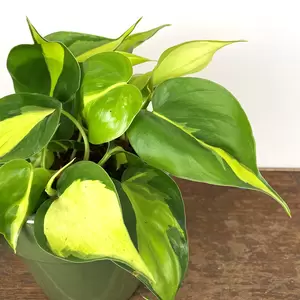
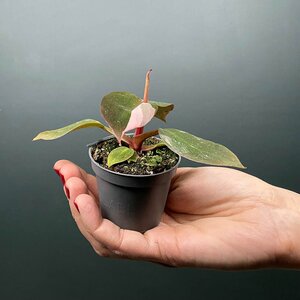
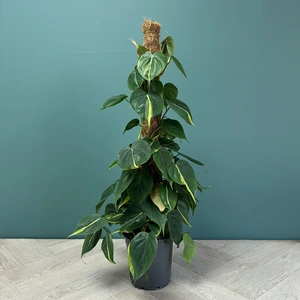
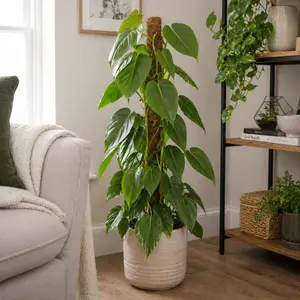
About Philodendron Species and Flowering Plants at Boma
Philodendron is a very large philodendron genus of tropical houseplants, with approximately 450 species native to tropical America, belonging to the Araceae family along with other well-known plants such as Monstera deliciosa and Epipremnum. There is a remarkable diversity of philodendron varieties, each offering unique shapes, sizes, and colors.
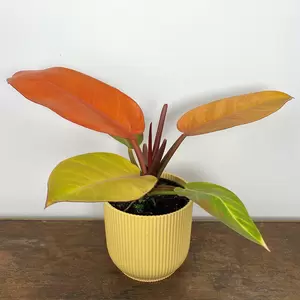
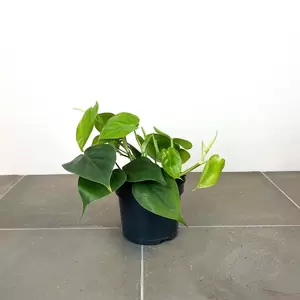
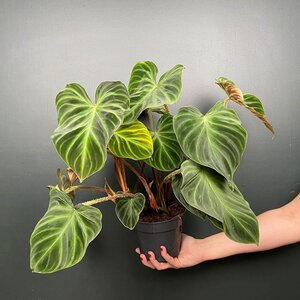
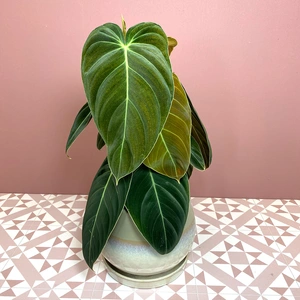
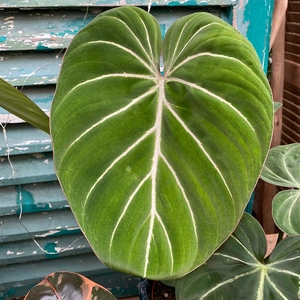
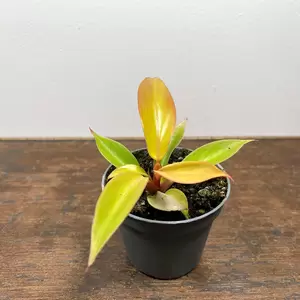
These classic foliage houseplants come in many different forms, some with bright orange leaves such as Philodendron ‘Prince of Orange’, others pure green and heart shaped—Philodendron scandens. The very sought-after varieties such as P.melanochrysum and P.verrucosum display stunning velvety foliage, rich and dark in colour. Notable philodendron varieties include the striking philodendron imperial red and Imperial Red with vibrant red foliage, the unique philodendron squamiferum with its large, fenestrated leaves and hairy stems, and the versatile philodendron xanadu, known for its dense, arrow-shaped leaves and compact, wide growth habit.
Philodendrons are also valued for their air purifying qualities, making them ideal houseplants for improving indoor air quality. Their reputation as ideal houseplants comes from their adaptability and minimal care requirements, appealing to both novice and experienced plant enthusiasts.
Caring For Your Philodendron Plants
| Category | Details |
|---|---|
| Soil | Moist, rich, organic, and well-draining soil. Vining species may need more consistent moisture than non-climbing types. |
| Light | Bright, indirect light that mimics tropical environments. Avoid intense or direct sunlight to prevent leaf scorch and loss of variegation. |
| Watering | Keep soil evenly moist but avoid overwatering to prevent root rot. Ensure good drainage. |
| Humidity | Moderate to high humidity preferred. A pebble tray can help increase humidity. |
| Support Structures | Use a moss pole for climbing varieties to support natural growth habits. |
| Fertilization | Regular feeding during the growing season promotes healthy growth. |
| Placement | Suitable for both indoor and outdoor growth. Indoors year-round; outdoors in tropical/subtropical climates (zones 9–11). Can be moved outdoors in summer in suitable areas. |
| Growth Habits | Available in both climbing and non-climbing forms. Climbing types benefit from support; non-climbing types make good stand-alone plants. |
| Common Issues | Yellowing leaves (from improper watering/light) and leggy growth (from insufficient light). Adjust care to correct. |
| Toxicity | Contains calcium oxalate crystals, toxic if ingested. Keep away from pets and children. |
| Ease of Care | Easy to care for due to resilience and adaptability. Problems occur only if basic needs for water, light, and soil are neglected. |
Types of Philodendron
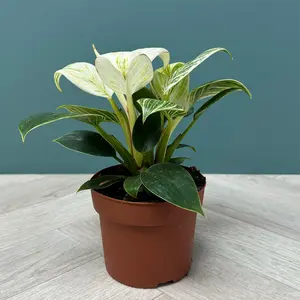
Philodendrons are a stunning tropical plant species celebrated for their incredible diversity and adaptability, making them a favorite among indoor plant enthusiasts. The genus philodendron encompasses over 450 species, each offering its own unique charm and growth habit. Whether you’re drawn to the classic heartleaf philodendron with its iconic heart-shaped, green leaves or the vibrant, variegated foliage of philodendron brasil, there’s a type to suit every indoor garden. Self-heading philodendrons, with their upright growth and lush, bushy appearance, are perfect for those seeking a bold, sculptural plant that stands out in any room.
These plants thrive in bright but indirect light, which helps maintain their vivid green leaves and healthy growth. Their versatility means they can be showcased as statement pieces or grouped with other tropical plants to create a lush, indoor oasis. With so many types to choose from, philodendrons are an ideal addition to any indoor plant collection, offering both beauty and ease of care for plant lovers of all experience levels.
Philodendron Varieties
The philodendron genus is renowned for its remarkable range of varieties, each bringing a unique flair to indoor spaces. For those who appreciate dramatic foliage, the philodendron squamiferum stands out with its deeply lobed leaves and distinctive, hairy stems, adding a touch of tropical elegance to any collection. The black gold philodendron captivates with its dark, velvety leaves adorned by striking white veins, making it a true showstopper. If you’re seeking a splash of color, the philodendron imperial red offers vibrant, red-tinted foliage that instantly brightens up your living space.
Houseplant enthusiasts looking for a compact, upright growth habit will love the philodendron xanadu, which forms dense clumps of lush, green leaves and thrives as a non-climbing variety. Meanwhile, the ever-popular heartleaf philodendron charms with its cascading vines and heart shaped foliage, perfect for hanging baskets or trailing from shelves. Climbing philodendron varieties benefit from a moss pole, which supports their natural growth habit and encourages larger, more impressive leaves.
No matter your preference—whether it’s for climbing or non-climbing species, bold colors or unique leaf shapes—there’s a philodendron variety to match your style. By providing bright indirect light, consistently moist soil, and the right support for vining types, you’ll help your philodendron plant thrive and enjoy the lush, vibrant foliage that makes these tropical plants a standout choice for any indoor space.
Lighting Requirements: Bright Indirect Light
Philodendrons are stunning tropical plants that truly shine when given the right lighting conditions. Most philodendron species thrive in bright but indirect light, making them a standout choice for any indoor plant collection. The lush, vibrant foliage and rich green leaves that houseplant enthusiasts love are best maintained when these tropical plants are placed in spots that mimic the dappled sunlight of their native tropical rainforests.
To achieve this, position your philodendron near an east- or west-facing window where it can bask in bright indirect light for several hours each day. A sheer curtain or light-filtering blind is perfect for diffusing direct sunlight, ensuring your plant receives the gentle, filtered rays it needs without risking leaf scorch or faded color. Direct sunlight, especially during the peak hours of the day, can cause unsightly brown spots and damage the plant’s vibrant green leaves, so it’s best avoided.
If your indoor space has lower natural light, don’t worry—many philodendron varieties are adaptable and can tolerate lower light conditions, though their growth habit may become a bit more leggy. To prevent leggy growth and encourage a full, bushy appearance, always aim for as much bright but indirect light as possible. For those growing philodendrons outdoors in tropical or subtropical climates, partial shade is ideal, especially during the hottest part of the day, to protect the foliage and maintain that signature tropical elegance.
By providing your philodendron with the optimal lighting environment, you’ll enjoy a healthy, thriving plant with glossy, vibrant foliage that brings a touch of the tropics to your indoor gardens. Whether you’re just starting your indoor plant collection or expanding your jungle as an experienced plant enthusiast, the right light will help your philodendron species flourish and become a true centerpiece in your living space.