


Cordyline Plants
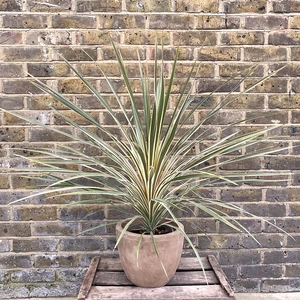
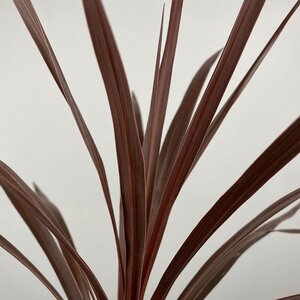
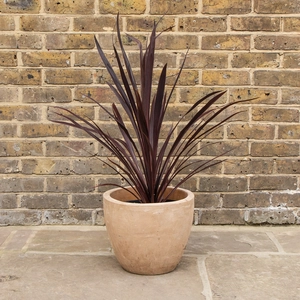
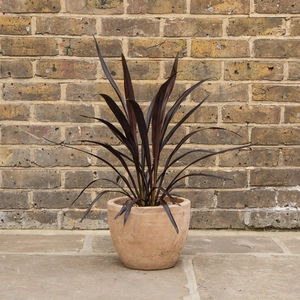
Cordyline australis — the cabbage palm — delivers bold, spiky architecture that anchors a planting or container scheme with immediate authority. Purple and bronze-leaved cordyline plants such as 'Torbay Dazzler' and 'Atropurpurea' provide strong contrast against soft perennials, while the species itself is reliably hardy in sheltered London positions. Given good drainage and a south-facing aspect, cordyline australis develops a genuine trunk over time, becoming a long-term structural investment. Browse our cordyline plants at Boma — visit in store to see our current range of cordyline colours and cultivars for pots, borders, and year-round garden interest.
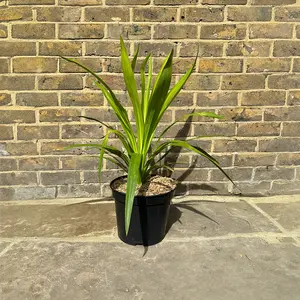
About Our Cordyline Collection
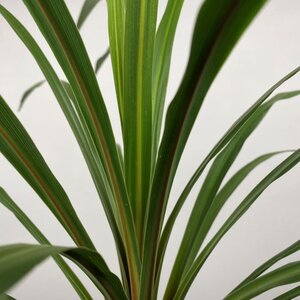
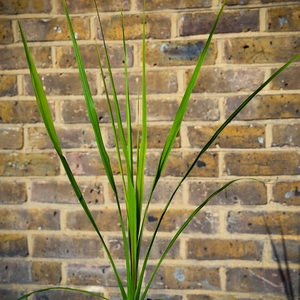
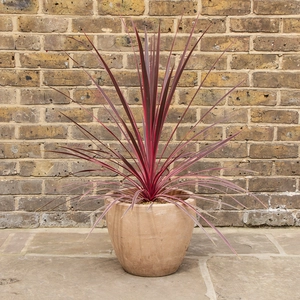
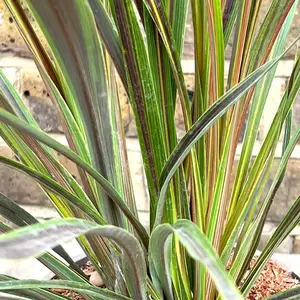
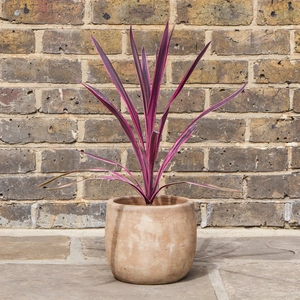
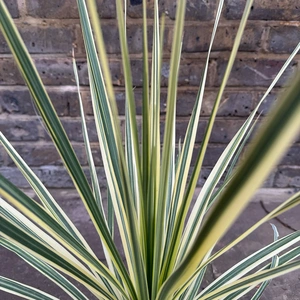
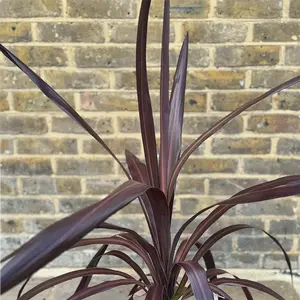
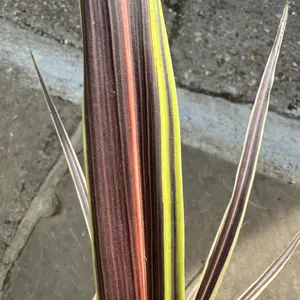
Boma's cordyline plants cover the key species and colours for UK gardens. Cordyline australis — the cabbage palm — is the most widely grown cordyline and the most winter hardy species for outdoor garden use in the UK; cordyline australis develops a stout trunk with age and produces sword like leaves in green, bronze, purple, deep reds, and striped variegated forms. Named cordyline australis cultivars at Boma include 'Purpurea' (deep purple, fully hardy), 'Pink Passion' (pink and purple striped leaves), 'Torbay Dazzler' (green and cream striped, bright), and 'Red Star' (dark burgundy).
Other cordyline species worth considering include Cordyline fruticosa — a houseplant species with spear-shaped leaves in deep reds, bright pink, and variegated green and white — ideal for bright indoor positions and summer garden use. All cordyline plants produce small berries and attract bees when they cordylines flower in summer.
Cordyline plants thrive in a sheltered spot in full sun to light shade with well-drained soil — cordylines grow most strongly in sandy, loamy, or free-draining chalky soils improved with sharp sand and grit. Plant cordyline australis in a sheltered position against a warm wall for year-round outdoor growth; avoid wet, heavy clay soils which damage the root ball and cause cordyline roots to rot. Cordylines grow well in pots and containers — use a free-draining compost with added sand, ensure good drainage holes at the base, and water cordyline plants regularly during the growing season. Apply a slow-release fertiliser to pot-grown cordyline plants in spring.
Cordyline plants are generally half hardy to hardy, depending on the species and cultivar. Cordyline australis is the most winter hardy cordyline for UK gardens, tolerating frost down to around -5°C in a sheltered spot; mature cordylines develop more cold resistance with age as the trunk thickens. Young cordyline plants and container grown plants need winter protection: wrap the stem and foliage of cordyline plants with horticultural fleece during cold spells, mulch around the root ball with bark or compost to insulate roots from frost, and move pot-grown cordyline plants to a sheltered position or indoors when severe cold is forecast.