


Echinacea Plants
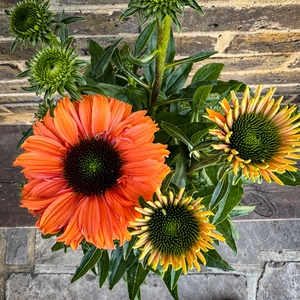
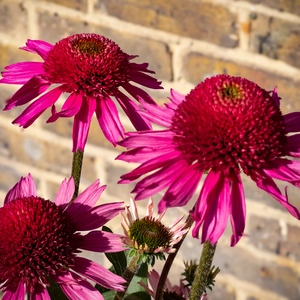
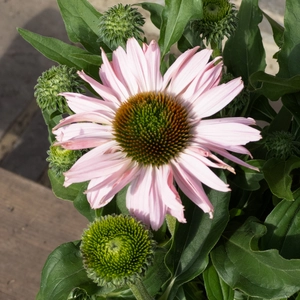
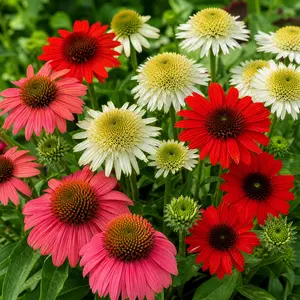
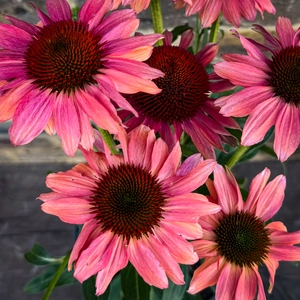
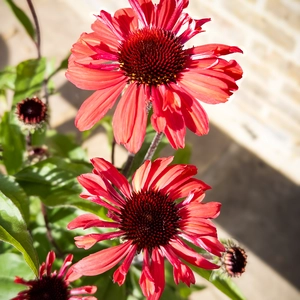
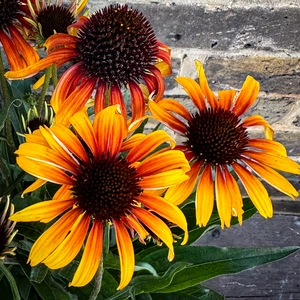
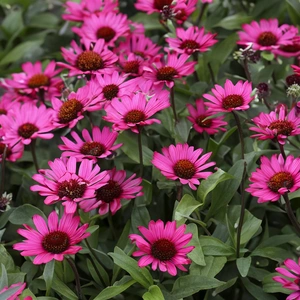
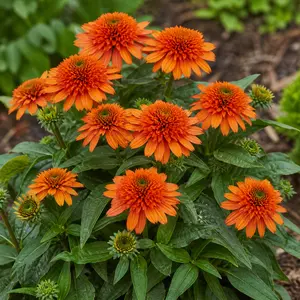
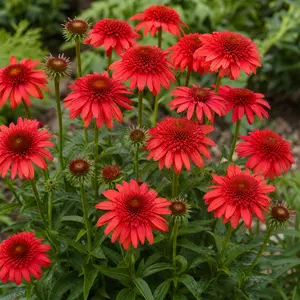
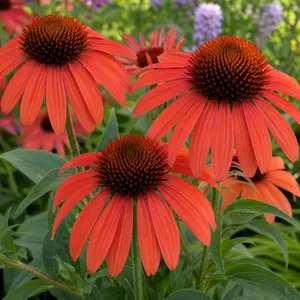
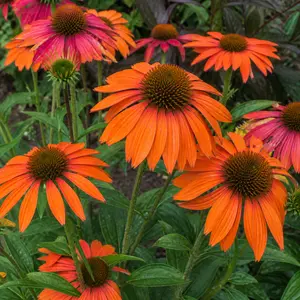
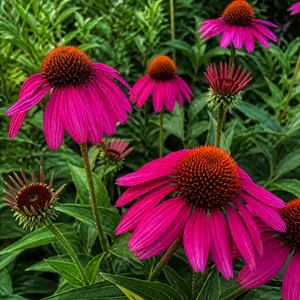
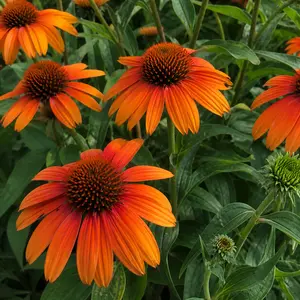
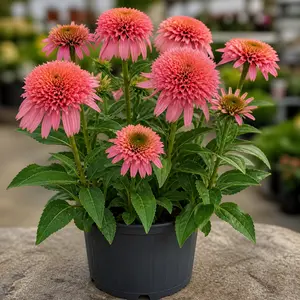
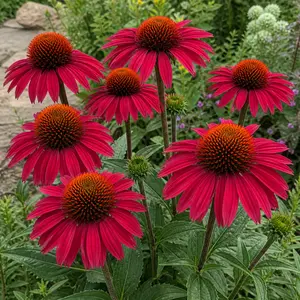
Echinacea (Coneflower) has earned its place as a late-summer border staple through genuine versatility — large, daisy-like flowers with prominent central cones in shades from white through coral, pink, and deep crimson, reliably attractive to bees and butterflies. Fully hardy and drought-tolerant once established, echinacea performs well in free-draining soil and full sun, making it particularly suited to south-facing London borders. Leave the seedheads standing through winter: goldfinches feed on them actively and the structure is worth keeping. Visit Boma to see our range of echinacea purpurea and named echinacea cultivars — outstanding perennials for wildlife gardens and sunny borders.
About Our Echinacea Collection
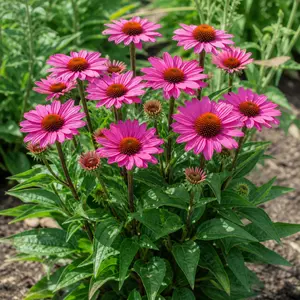
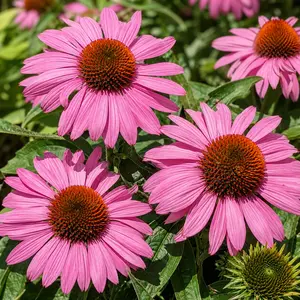
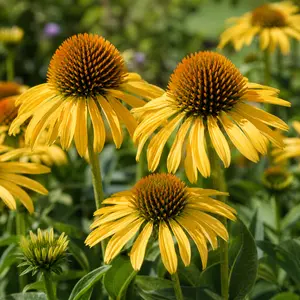
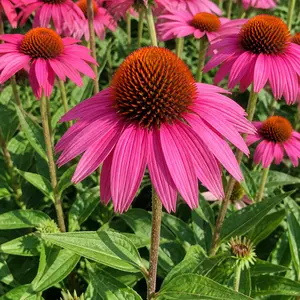
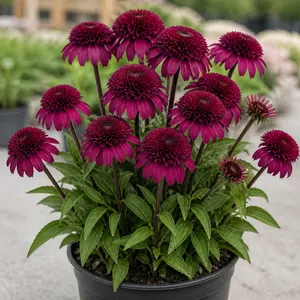
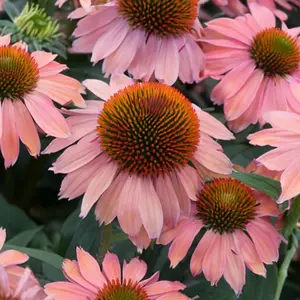
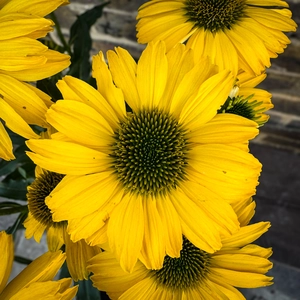
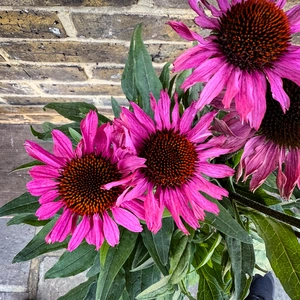
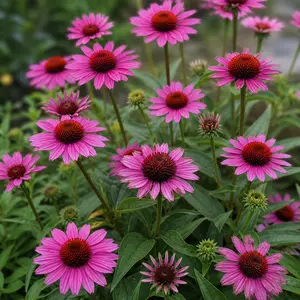
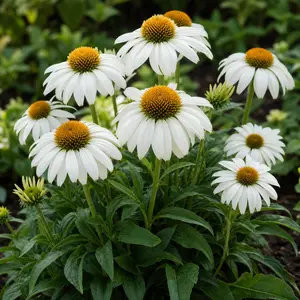
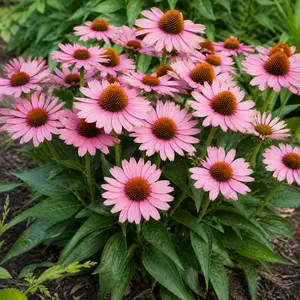
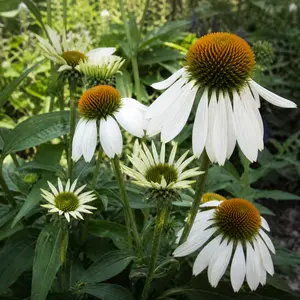
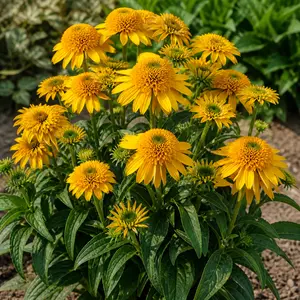
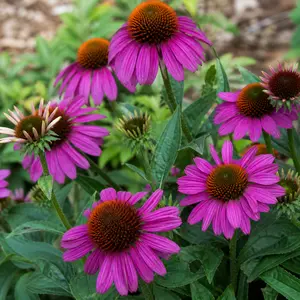
Boma's echinacea plants cover the key species and cultivars for UK gardens. Echinacea purpurea — the purple coneflower — is the most widely grown echinacea species: a hardy perennial native to North American prairies and open wooded areas, producing erect stems to 90cm bearing large purple-pink flowers with a prominent dark central cone from midsummer into autumn. Named echinacea purpurea cultivars include 'Magnus' (large, flat, rosy-purple flowers), 'White Swan' (white petals, orange cone), 'Green Jewel' (green-tipped white), and 'Vintage Wine' (deep burgundy). Other echinacea species worth growing include Echinacea pallida (pale purple coneflower), Echinacea paradoxa (yellow coneflower, the only yellow species in the genus), and Echinacea angustifolia — all hardy perennials suited to well-drained, sunny garden conditions.
Grow echinacea in full sun with well-drained, moderately fertile soil. Echinacea purpurea tolerates most well-drained soils from sandy to clay, as long as soil level drainage is adequate — echinacea roots dislike waterlogged conditions and root rot is the main risk in wet soils. Avoid adding rich compost at planting; echinacea plants from North America prairies are adapted to lean soils. Grow echinacea in pots and containers using a free-draining mix with grit added. Space echinacea plants 45–60cm apart; echinacea purpurea grows on sturdy, branching stems above clumps of rough dark green leaves that are attractive throughout the growing season.
Echinacea plants are outstanding for late-summer and autumn colour, pollinator value, and winter structure. The nectar-rich flowers of echinacea purpurea attract bees, butterflies, and other pollinating insects from July through September, making echinacea plants essential in wildlife gardens and flower borders. After flowering, leave echinacea seed heads and cone-shaped seedheads standing through winter — the seeds provide food for birds including goldfinches, and the dried stems add structure to the winter garden. Cut echinacea stems back to soil level in late autumn or early spring before new growth begins.