


Digitalis Foxglove Plants
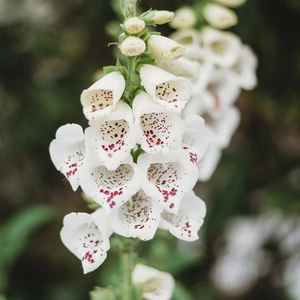
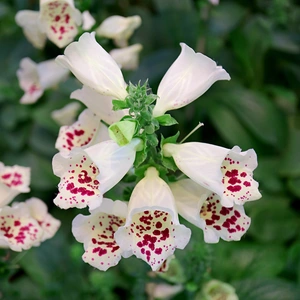
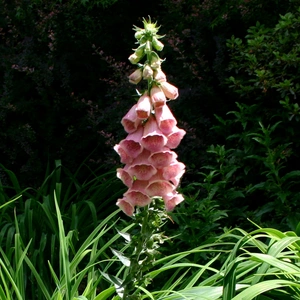
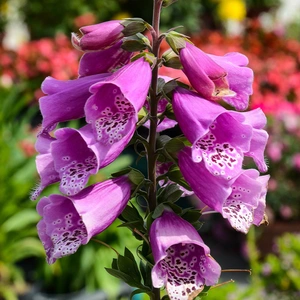
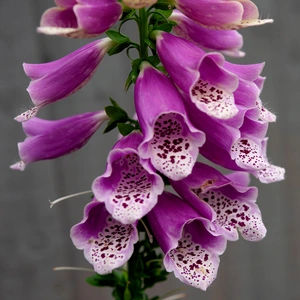
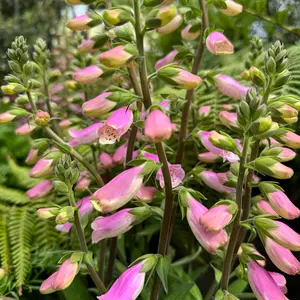
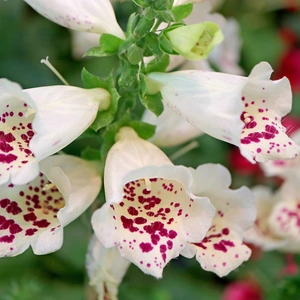
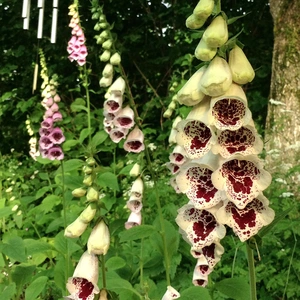
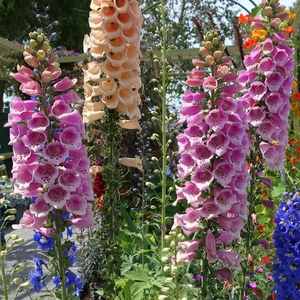
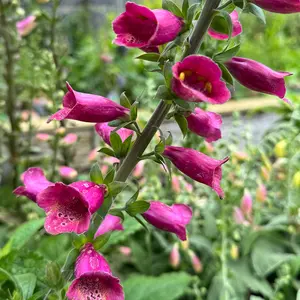
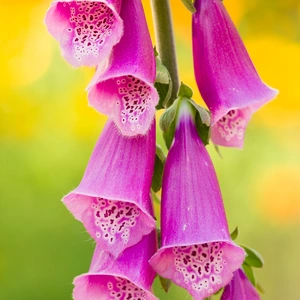
Digitalis — the foxglove — is a cornerstone of the naturalistic border, with tall spikes of tubular flowers providing vertical structure and nectar for bumblebees from early summer. Digitalis purpurea, the common foxglove, is the most widely grown: a biennial producing racemes of purple, pink, white, and cream flowers spotted on the lower lip, self-seeding freely in informal schemes. Tolerant of partial shade and free-draining soils, digitalis plants grow readily beneath established trees common in London gardens. Visit Boma to browse our digitalis foxglove range in store — common foxglove and perennial foxglove plants in stock seasonally.

About Our Digitalis Foxglove Collection
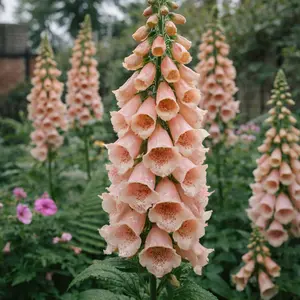
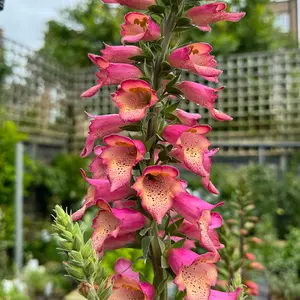
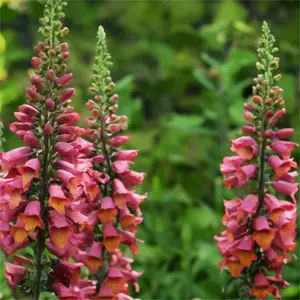
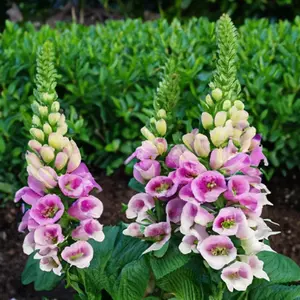
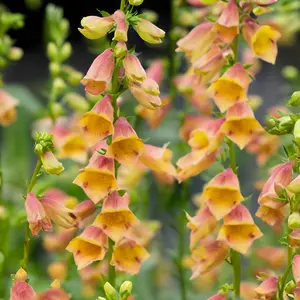
Boma's foxglove plants cover the key digitalis types for UK garden use. Digitalis purpurea — the common foxglove — is a biennial: it grows a rosette of oval, textured foliage in its first year, then sends up a tall spike of tubular purple, pink, and white flowers in its second year before setting seeds and dying. The digitalis purpurea Excelsior Group holds flowers horizontally on the spike for a fuller display; 'Camelot Cream' and 'Dalmatian Peach' are named forms with attractive soft colouring. Other foxgloves worth growing include Digitalis grandiflora (perennial, pale yellow flowers, shade-tolerant) and Digitalis lutea (perennial, small cream-yellow flowers) — both are short lived perennial alternatives to the biennial common foxglove that return each year.
For suggested planting locations, grow foxglove plants in flower borders, partial shade or dappled light in humus-rich, moist but well-drained soil enriched with organic matter. Digitalis purpurea and other foxgloves are among the best plants to grow in dry shade beneath trees — a position common in London gardens where few tall flowering plants thrive. In full sun with moist soil, digitalis purpurea also grows well and produces the tallest tall spike of flowers. Sow foxglove seeds outdoors in late spring or in seed trays for planting out in autumn; thin seedlings to 15cm apart when large enough to handle. Plant digitalis 60cm apart to allow good air circulation and room for the rosettes to develop.
Digitalis purpurea and other foxglove plants are highly toxic — all parts of the common foxglove plant are poisonous if ingested, including the rosettes, flowers, seeds, and roots. Foxglove is known as dead man's bells in recognition of its toxicity: the plant contains cardiac glycosides that affect the heart, and historically digitalis has been used in medicines to treat heart failure and heart conditions where it acts on blood pressure and heart rate.