


Lavender Plants
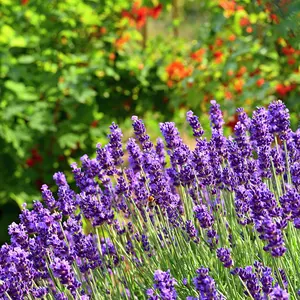
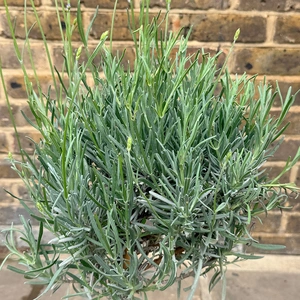
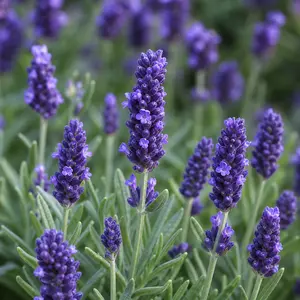
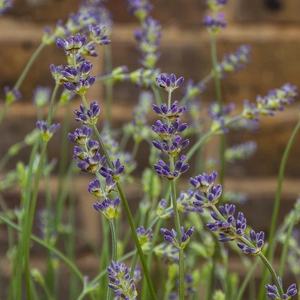
Lavender (Lavandula) remains one of the most reliably rewarding plants for a sunny London border — aromatic grey-green foliage, flowering spikes in shades from pale blush to deep violet-purple, and strong appeal to bees from midsummer onwards. Lavandula angustifolia cultivars offer the hardiest option with the finest fragrance; L. x intermedia hybrids produce more vigorous growth and flower slightly later, extending the season. Excellent in containers, along path edges, and as low, informal hedging. Sharp drainage is essential. Boma's lavender plants collection covers English lavender, French lavender, and Spanish lavender varieties, all chosen for reliable performance in London's sunny outdoor spaces. Visit us in Kentish Town for our seasonal range.
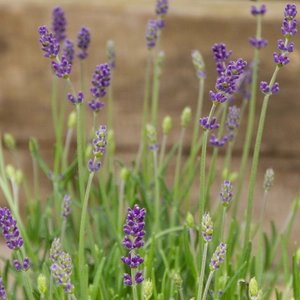
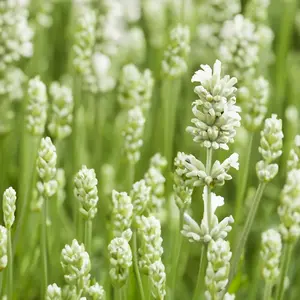
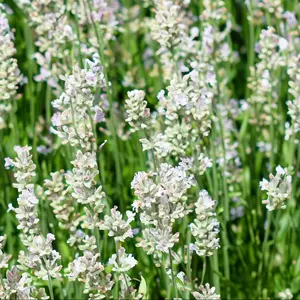
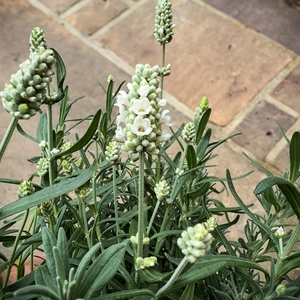
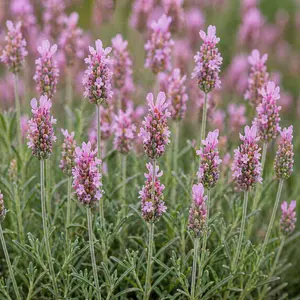
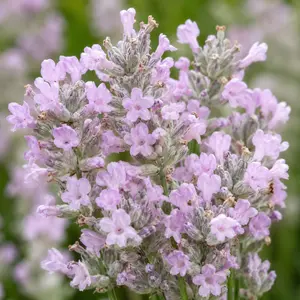
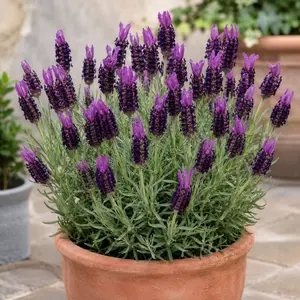
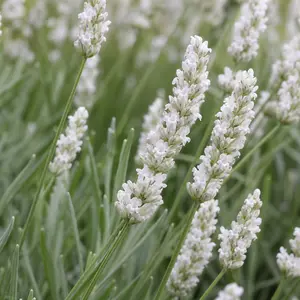
About Our Lavender Plants Collection
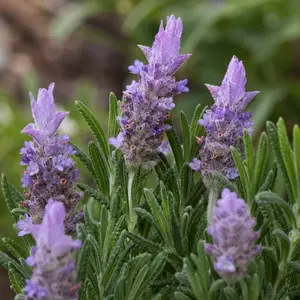
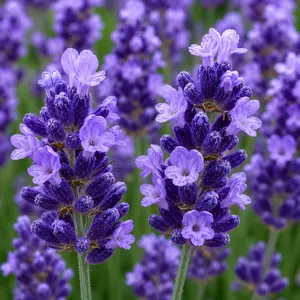
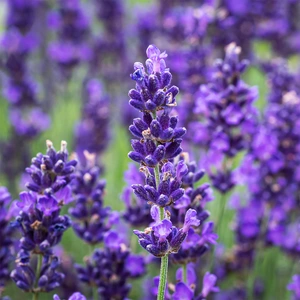
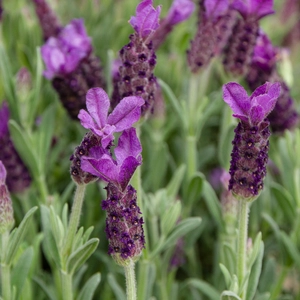
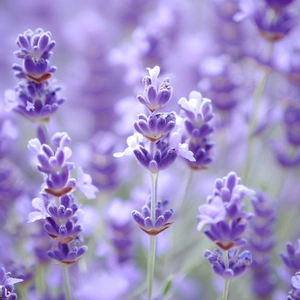
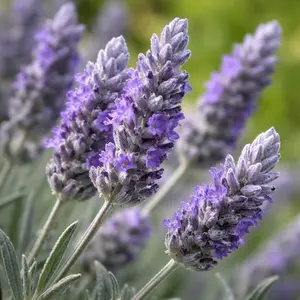
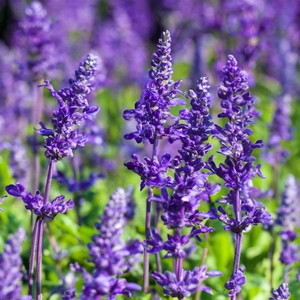
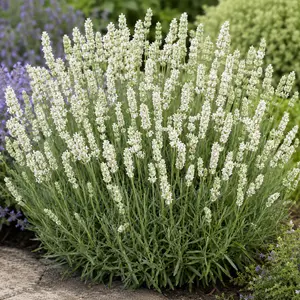
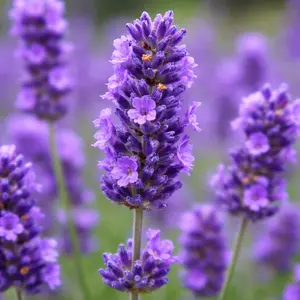
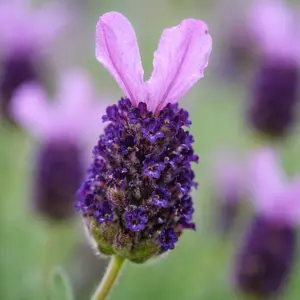
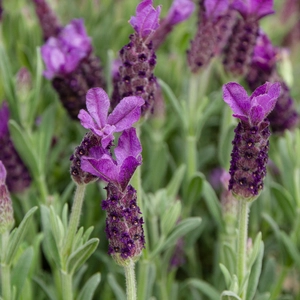
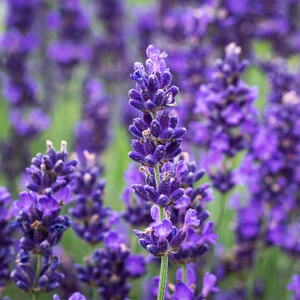
Boma's lavender plants range covers the key types for UK gardens. English lavender — Lavandula angustifolia — is the classic choice: compact, fully hardy, with intensely fragrant flower spikes in violet, purple, pink, and white from early summer. English lavender (Lavandula angustifolia) cultivars including 'Hidcote' (deep violet-purple), 'Munstead' (soft blue-purple), and 'Rosea' (pale pink) are among our most popular lavender varieties. French lavender (Lavandula stoechas) produces its distinctive winged, flag-like flower heads from late spring and flowers for longer in sheltered positions, though it is less hardy than English lavender. Spanish lavender is similar to french lavender in character, with coloured pineapple-shaped bracts. Lavandin (Lavandula x intermedia) is a vigorous hybrid producing tall, abundant flower spikes ideal for cutting, drying, and lavender oil extraction.
Lavender thrives in full sun in well-drained soil — this is the single most important condition for healthy, long-lived lavender plants. In London's clay-heavy soils, improve drainage with added grit and use raised beds, or grow lavender plants in containers with free-draining compost. Avoid overhead watering and never leave lavender in standing water, which quickly leads to root rot. Lavender plants need good air circulation — space them adequately and avoid crowding with other plants. Water established lavender only during prolonged dry spells.
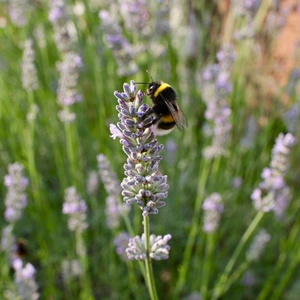
To prune lavender correctly, cut back by one third in late summer after flowering. Harvest lavender buds just as flowers fade for the most potent dried lavender, essential oils, and lavender honey. Lavender flowers are outstanding for attracting bees, butterflies, and other pollinators throughout summer — lavender's timeless charm in the garden is matched by its value as a pollinator plant.