


Sedum Plants
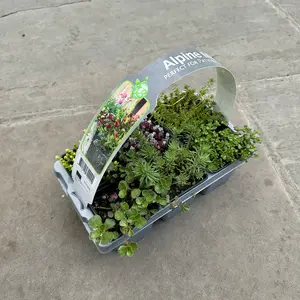
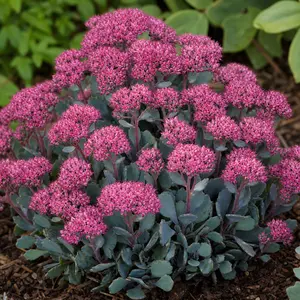
Sedum — the stonecrops — are indispensable plants for dry, well-drained positions in full sun. Taller border sedums, now reclassified under Hylotelephium, produce flat-headed flowers in pink, white, and burgundy from late summer through autumn, with structural stems and seedheads that extend interest into winter. Low-growing sedum species — loved for their ease of cultivation and drought tolerance — grow readily in wall crevices, pots, and gravel gardens. Find our current sedum and Hylotelephium range at Boma, from compact alpine stonecrops to tall border varieties — our team can help you find the right sedum plants for your garden conditions.
About Our Sedum Collection
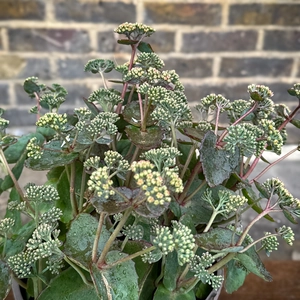
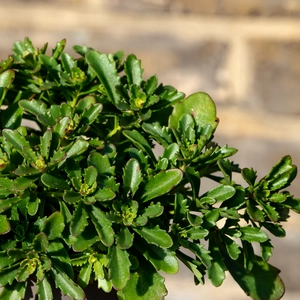
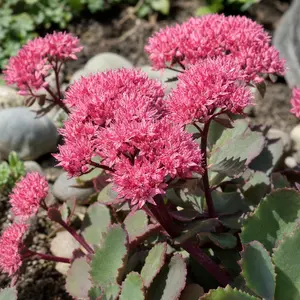
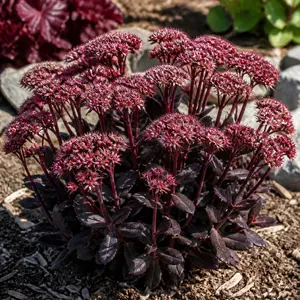
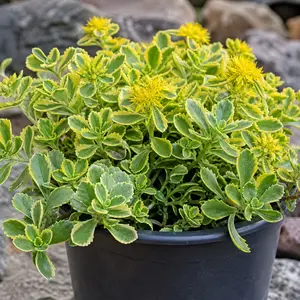
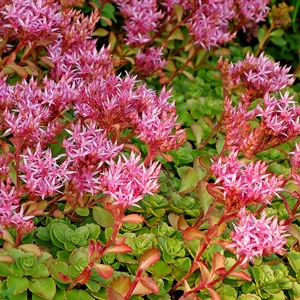
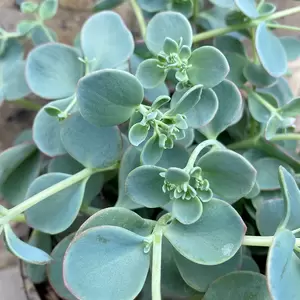
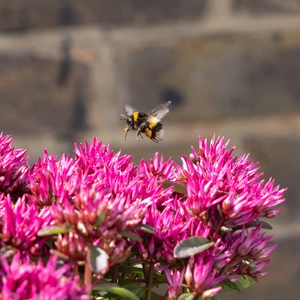
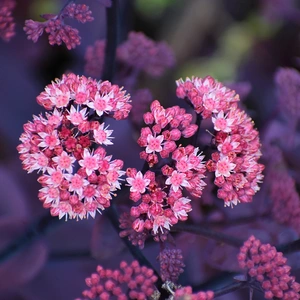
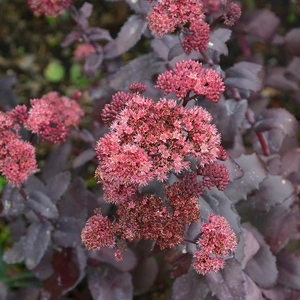
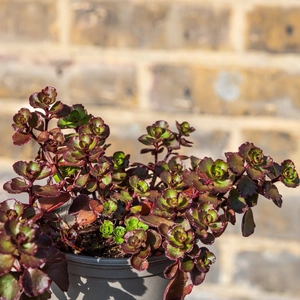
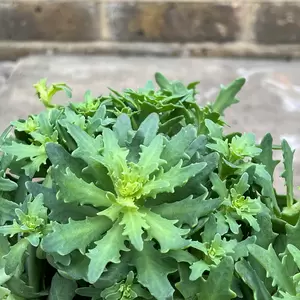
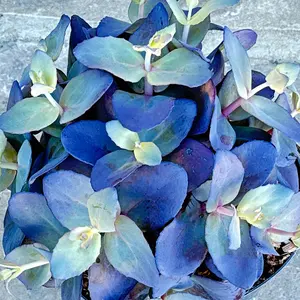
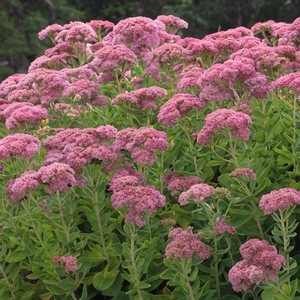
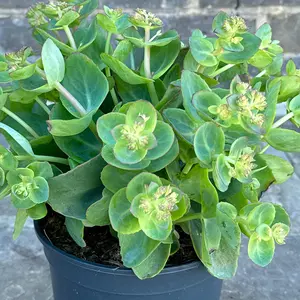
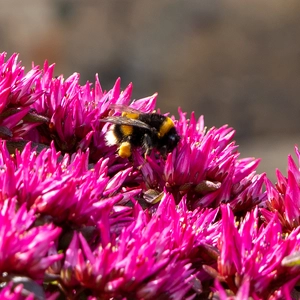
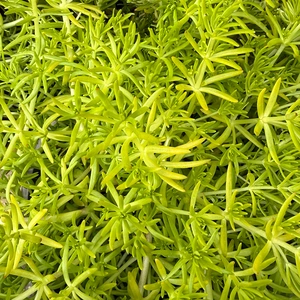
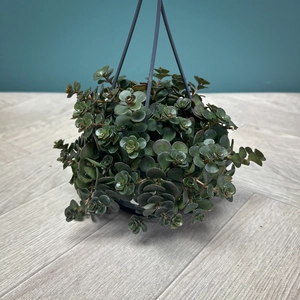
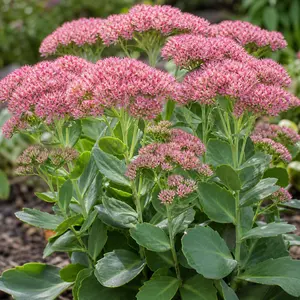
Boma's sedum plants cover both taller border types and low-growing, mat-forming species. Border sedums — now Hylotelephium — include the ice plant (Sedum spectabile), which produces broad flat flowers in pink and white from late summer, making it one of the most loved plants for bees and butterflies in the autumn garden. 'Autumn Joy' (Hylotelephium 'Herbstfreude') grows to 60cm with deep pink flowers that change to russet-bronze stems through winter, providing attractive foliage structure year-round. Low-growing sedum plants — white stonecrop (Sedum album) with white star-shaped flowers and fleshy green leaves, Sedum acre with tiny yellow flowers, and Sedum spurium producing pink flowers covered in red tones — are excellent alpines for rockery, wall, and gravel garden use. All sedum plants belong to the family Crassulaceae and share the same easy-to-grow, drought tolerant character.
Sedum plants grow best in full sun and well-drained or dry soil — they are among the easiest garden plants to grow successfully in poor, nutrient-light conditions. Drought tolerant once established, sedum plants need virtually no watering during dry periods. Rich, fertile soil causes tall border sedum plants to grow lank and spread open; avoid heavy clay and grow sedum in raised beds, pots, gravel gardens, or wall crevices with free-draining compost. Low-growing sedum plants spread steadily to form weed-suppressing mats; Sedum album grows to just 7cm in height and spreads to 25cm — ideal for edging paths and filling gaps between rocks and paving. Sedum propagation from stem cuttings or division in spring is easy and allows you to find new plants without additional cost.
Sedum plants are outstanding for late-season colour, structure, and wildlife value. The flat flower heads of Hylotelephium (ice plant and related varieties) are perfectly designed for bees, butterflies, and other autumn-flying insects; Sedum spectabile is one of the most loved pollinator plants for a sunny border from August onwards. After flowering, leave the structural stems and seedheads of tall sedum plants through winter — they provide attractive foliage interest and food for seed-eating birds, making sedum plants useful garden plants well beyond their summer season. Low-growing sedum plants are excellent alpines for rockeries, pots, green roofs, and walls where their low-growing, mat-forming habit suppresses weeds and tolerates the conditions that defeat most other plants. Find sedum plants at Boma in stock seasonally throughout the growing year.