


Outdoor Ferns
Transform shady North London gardens into lush city retreats with Boma's expertly chosen outdoor ferns. From Hampstead balconies to Finchley courtyards, Boma's fern selection suits compact London spaces and tricky clay soils — adding structure, texture, and easy greenery. Our Kentish Town team provides local planting advice alongside London's widest variety of native and exotic ferns. From the glossy fronds of hart's tongue fern to the sweeping arching fronds of lady fern and the dramatic canopy of tree fern varieties, our garden ferns range covers every shade situation and garden style.
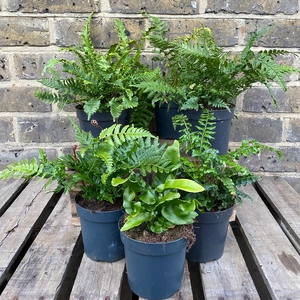
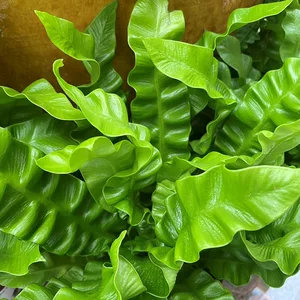
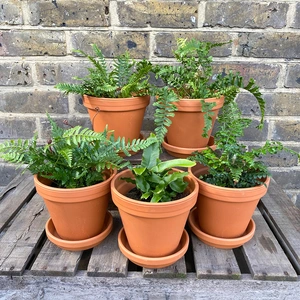
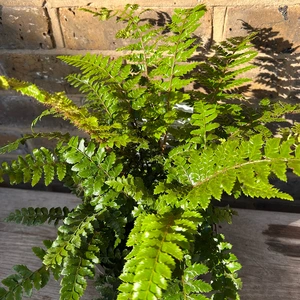

About Our Outdoor Ferns Collection
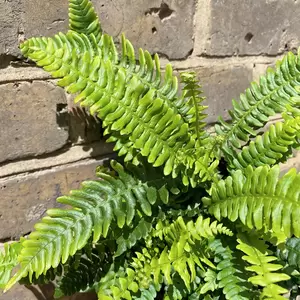
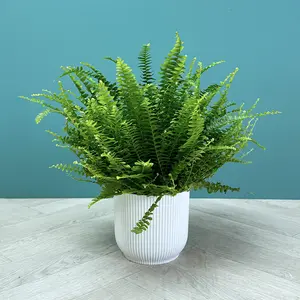
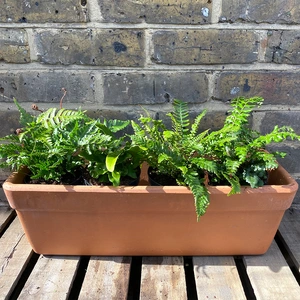
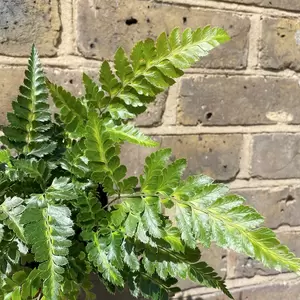
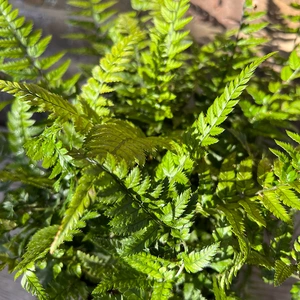
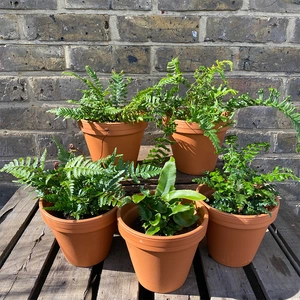
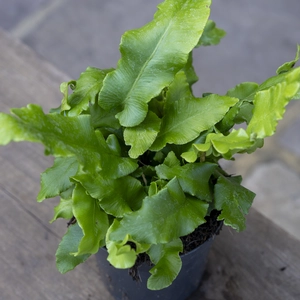
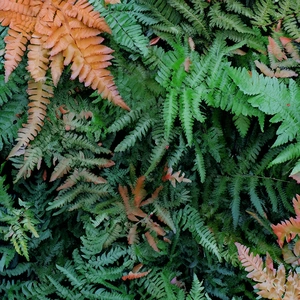
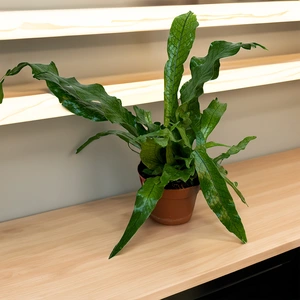
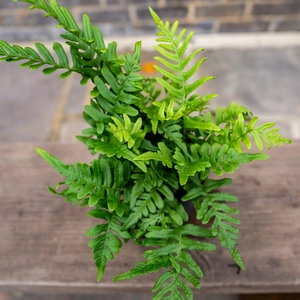
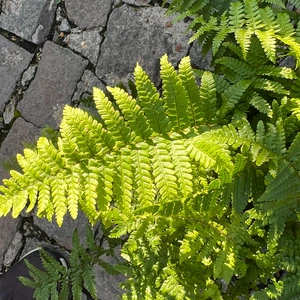
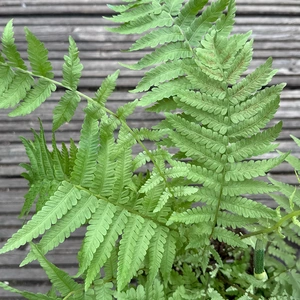
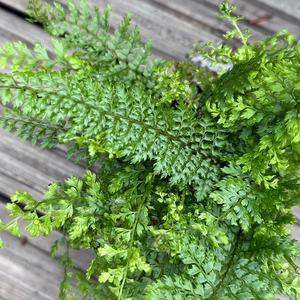
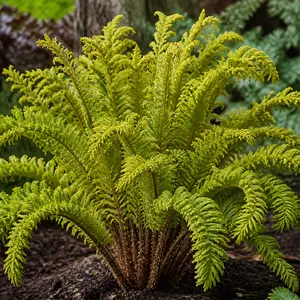
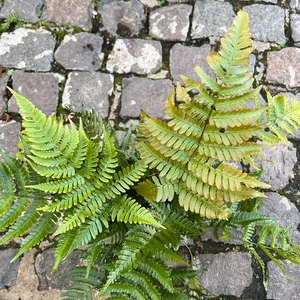
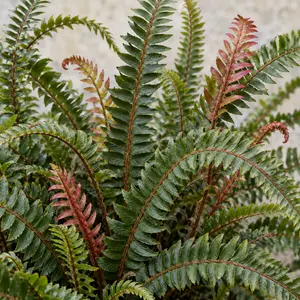
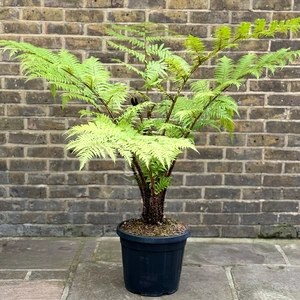
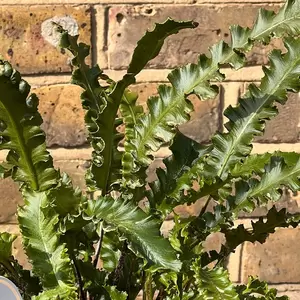
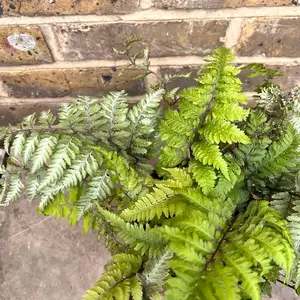
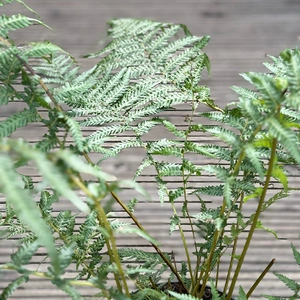
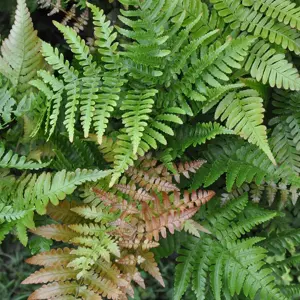
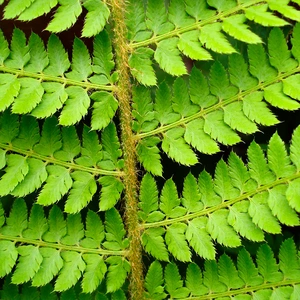
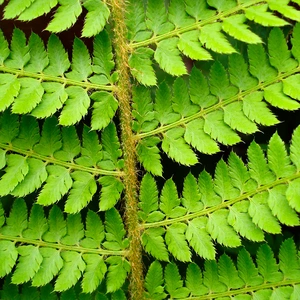
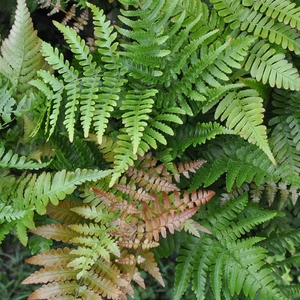
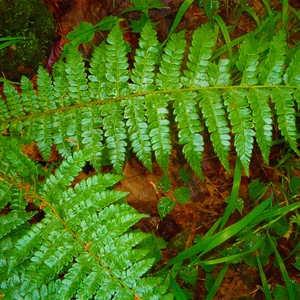
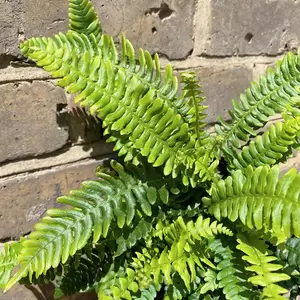
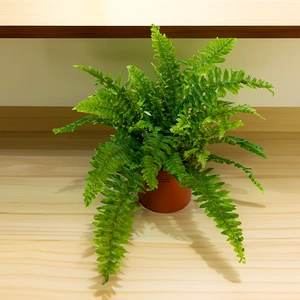
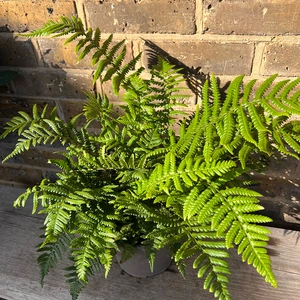
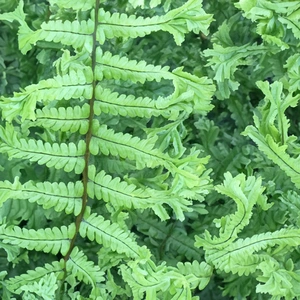
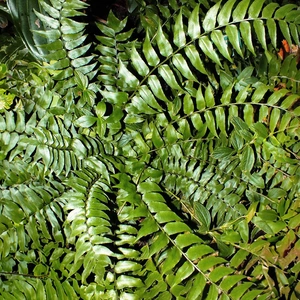
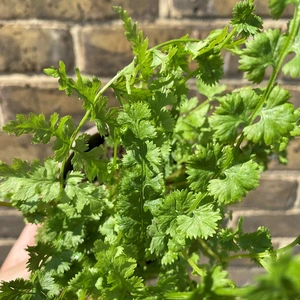
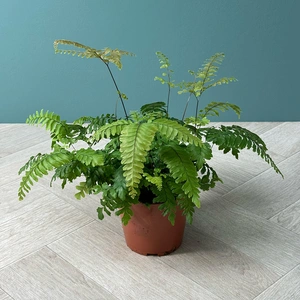
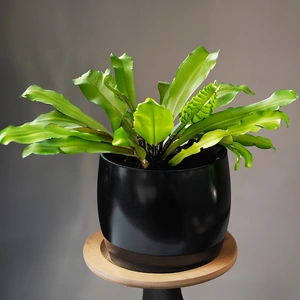
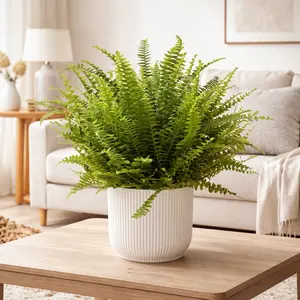
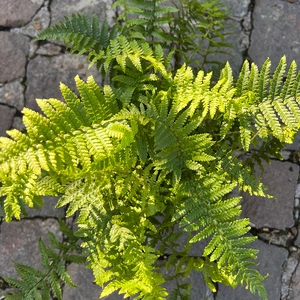
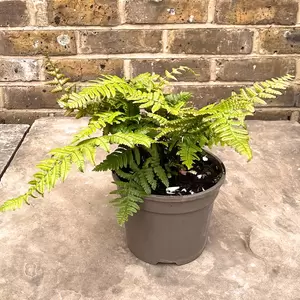
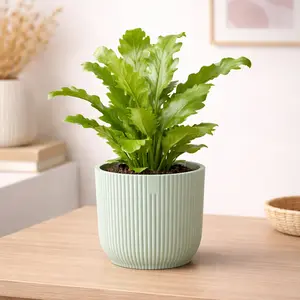
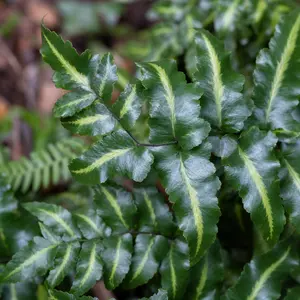
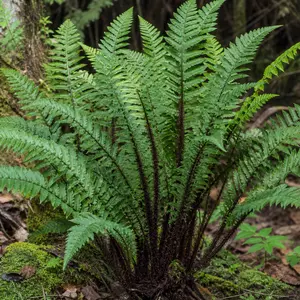
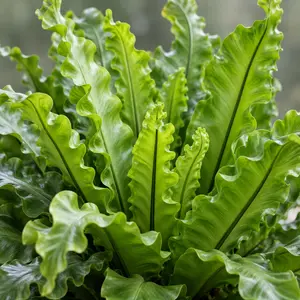
Boma's outdoor ferns collection covers the full range of garden ferns suited to UK conditions — from the glossy, evergreen hart's tongue fern (Asplenium scolopendrium) with its strappy undivided fronds to the delicate lady fern (Athyrium filix-femina) with its finely cut arching fronds. The Japanese painted fern (Athyrium niponicum 'Pictum') adds silver-green colour to shaded borders, while the royal fern (Osmunda regalis) grows into a spectacular statement for damp woodland gardens. Tree fern varieties including Dicksonia antarctica suit sheltered London gardens, adding a tropical note to shaded courtyards. The asparagus fern makes a graceful container plant for sheltered patios. All are chosen for lush greenery and reliable performance as shade loving plants.
Most ferns prefer partial shade in moist, well-drained soil enriched with leaf mould or garden compost, though fern varieties differ considerably in their needs. Fully hardy garden ferns such as Dryopteris (wood fern) and Polystichum (shield fern) tolerate full shade and dappled sun, growing happily in drier conditions than most ferns. The maidenhair fern (Adiantum) needs consistent moisture and shelter from wind to prevent frond damage. Cinnamon fern and royal fern suit boggy, moisture-retentive ground. Growing ferns in well-drained soil that retains moisture is the key balance — avoid very dry or waterlogged conditions. An annual tidy in early spring, removing any damaged fronds, is all the maintenance most ferns require.
Outdoor ferns are outstanding for adding texture and lush greenery to shaded areas where few other plants perform well. Use fern plants to fill the gap beneath deciduous trees, where their arching fronds of fresh growth provide seasonal interest from spring through autumn. Semi-evergreen and evergreen ferns such as Polystichum setiferum and hart's tongue fern maintain structure through winter, giving year-round interest in woodland gardens and shaded borders. Pair outdoor ferns with hostas, hellebores, and astilbe for a complete shade planting scheme of contrasting foliage textures. The asparagus fern adds a fine-textured, feathery note in containers.