


Alpine Plants
Boma Garden Centre is a haven for gardening enthusiasts, boasting a delightful collection of alpine and rock plants. These magnificent specimens bring unparalleled beauty and versatility to any garden. Our alpine plants range covers compact, drought tolerant varieties from Aubrieta and Sedum to Saxifraga and Sempervivum — perfectly suited to rock gardens, alpine troughs, gravel gardens, and dry stone walls across London's diverse garden styles. Visit our Kentish Town centre for expert advice on growing alpines in containers, raised beds, or directly into well-draining borders.



About Our Alpine Plants Collection
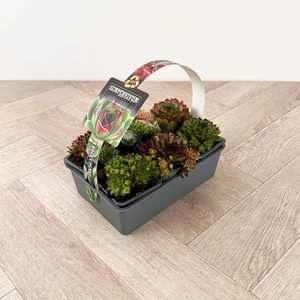
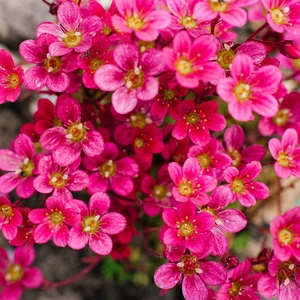
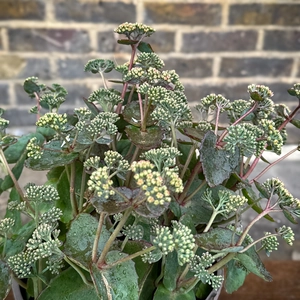
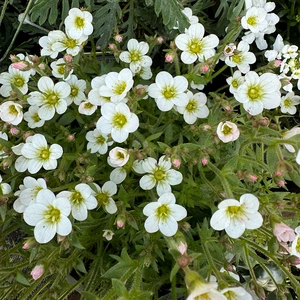
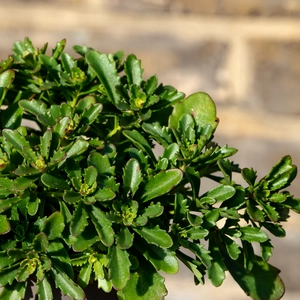
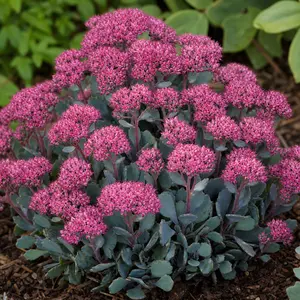
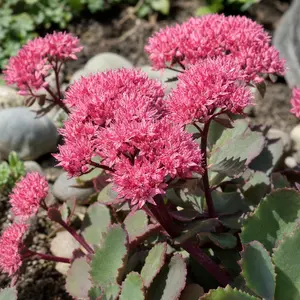
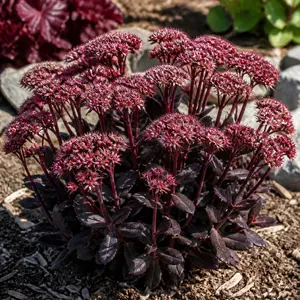
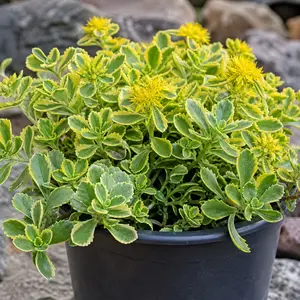
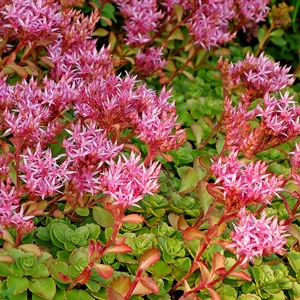
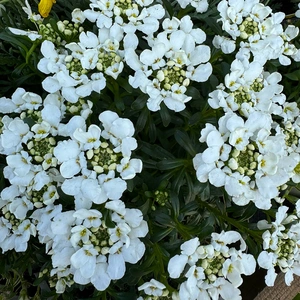
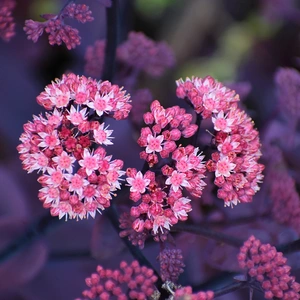
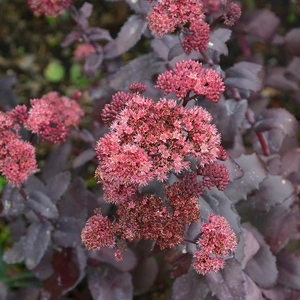
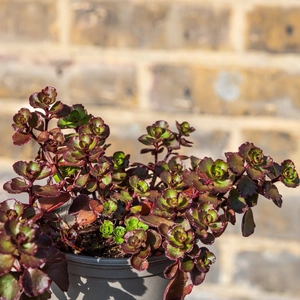
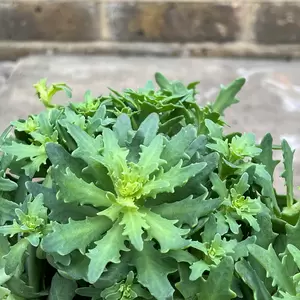
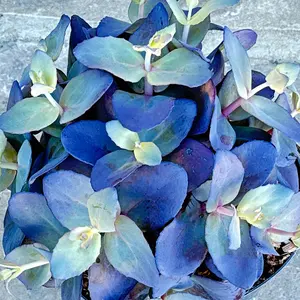
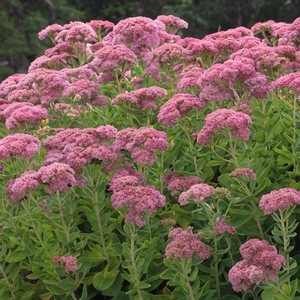
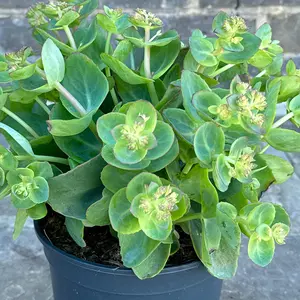
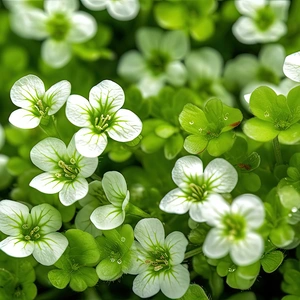
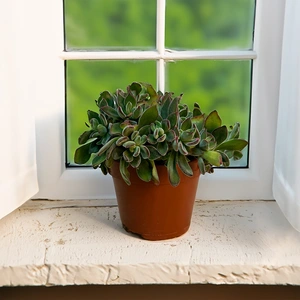
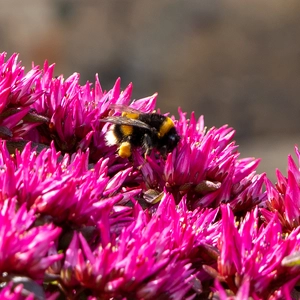
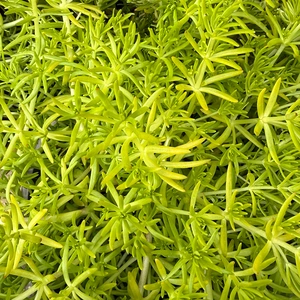
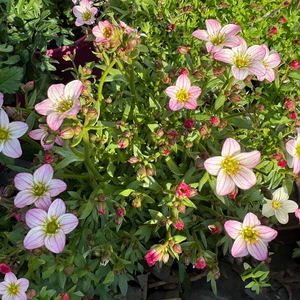
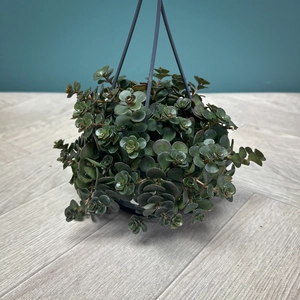
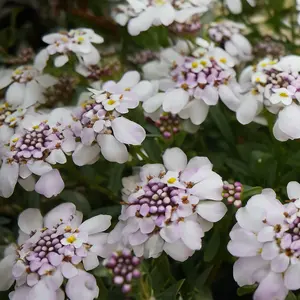
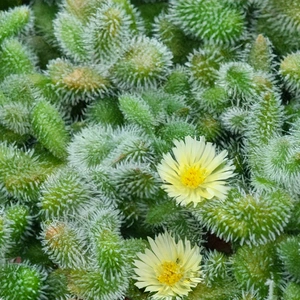
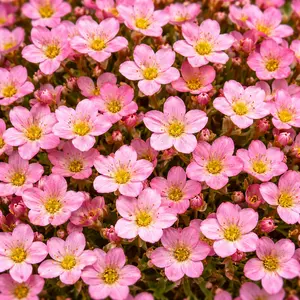
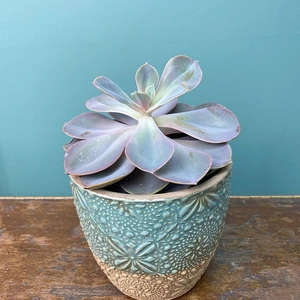
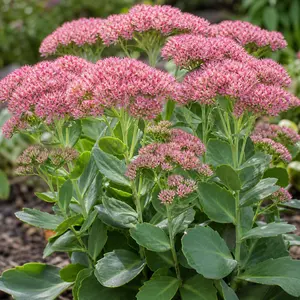
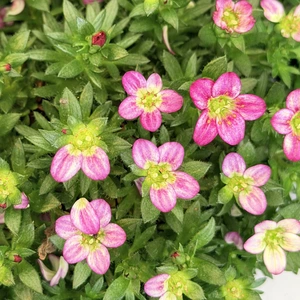
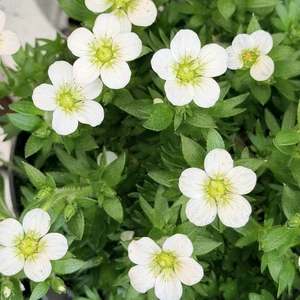
Our alpine plants collection at Boma covers the key groups beloved by rock garden enthusiasts — from the star-shaped flowers of Saxifraga and Sedum with their attractive fleshy leaves to the cushion-forming mounds of Armeria, Phlox subulata, and Dianthus. Aubrieta provides a cascade of purple blooms over dry stone walls in early spring, while Alyssum saxatile (basket of gold) lights up rockeries with golden yellow shaped flowers from March onwards. Compact plants and alpine bulbs including species tulips and crocus add seasonal colour through spring. We also stock Sempervivum (houseleeks) and other succulent alpines that thrive in the driest, most challenging rocky conditions.
Alpine plants come from mountainous regions where they have evolved to cope with free-draining soil, intense sun, cold winters, and low nutrition — making them drought tolerant, compact, and ideal for positions that defeat most other plants. Grow alpines in raised beds, alpine troughs, gravel gardens, or between paving with horticultural grit added to improve draining soil. Most alpines need good drainage above all else — wet soil in winter is far more damaging than cold. Plant alpines in a sunny spot; most tolerate exposed positions and poor soil provided drainage is not restricted.
Alpine plants are outstanding for bringing colour to areas where larger plants cannot establish — between paving stones, in gaps of dry stone walls, on gravel gardens, and in rain shadow spots beneath overhanging eaves. An alpine trough filled with a collection of compact plants provides a miniature rock landscape in a very small space, ideal for patios and balconies in London. Many alpines are evergreen perennials providing year-round structure alongside their seasonal blooms, and most are fully hardy without any winter protection.
Use horticultural grit as a mulch around plants to suppress weeds, improve drainage around the crown, and create a naturalistic appearance that mirrors the plants' natural habitat in mountainous regions.