

Rhododendron Plants
Rhododendron plants demand acid soil — pH 4.5 to 6.0 — but reward that specific requirement with floral spectacle few other shrubs can approach. In London gardens where native soil tends toward alkaline, ericaceous raised beds and large containers of lime-free compost make growing them entirely viable. Rhododendrons and azaleas range from dwarf alpine forms suited to pots to large woodland specimens; evergreen azaleas bridge the gap for compact, reliable flowering in partial shade. Browse Boma's full collection of rhododendron plants in Kentish Town.


About Our Rhododendron Plants Collection
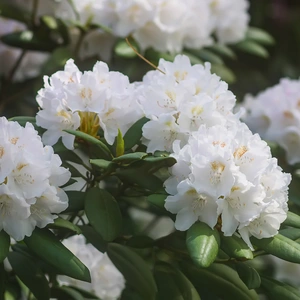
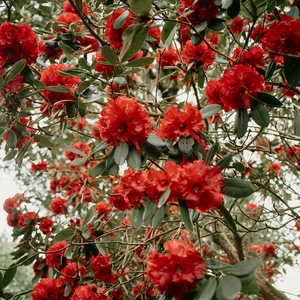
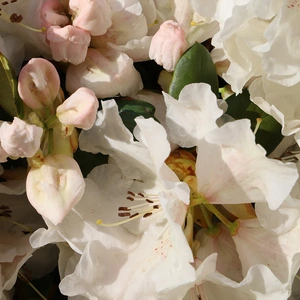
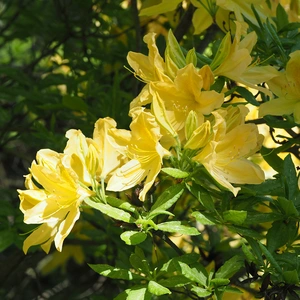
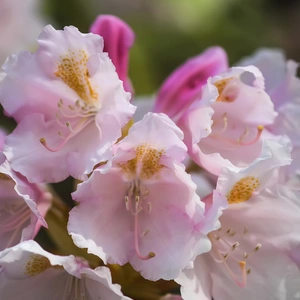
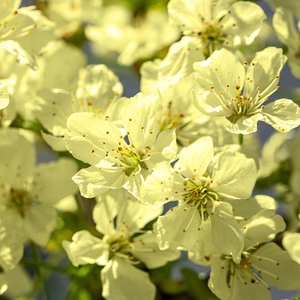
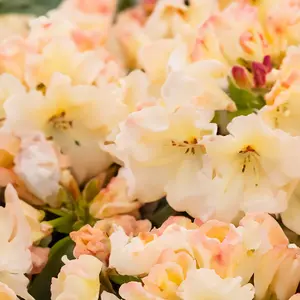
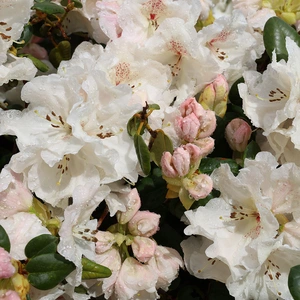
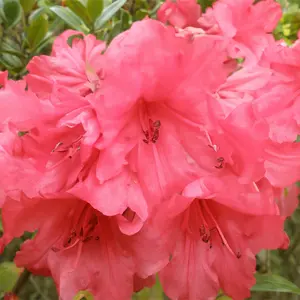
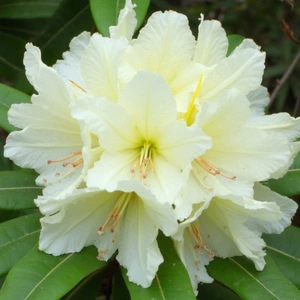
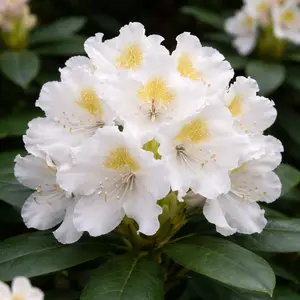
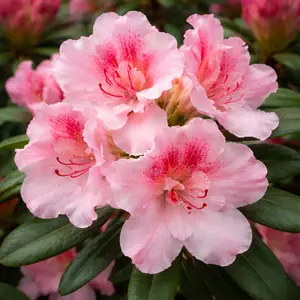
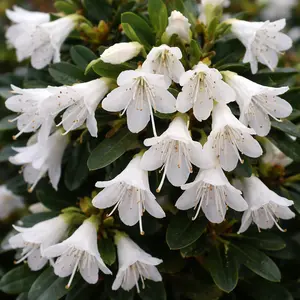
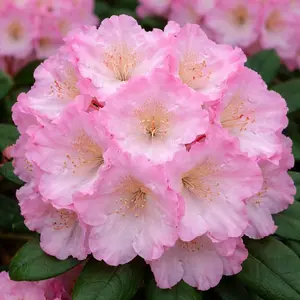
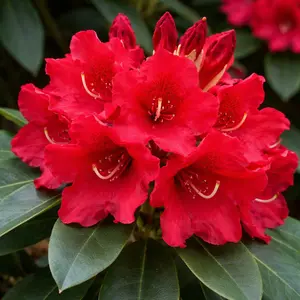
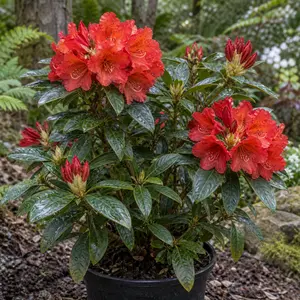
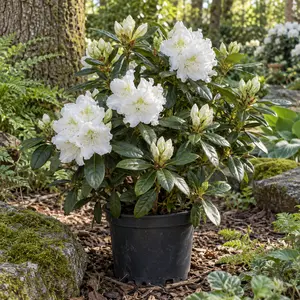
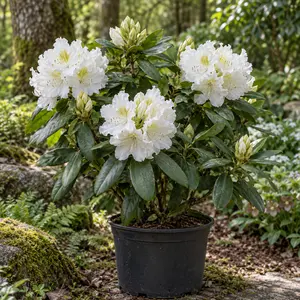
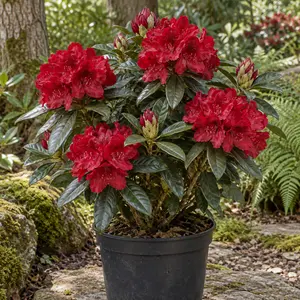
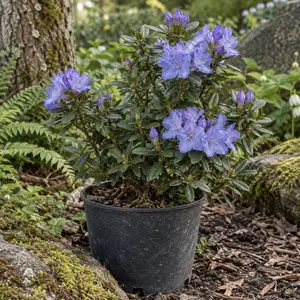
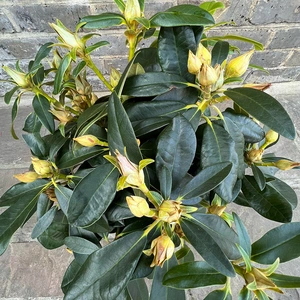
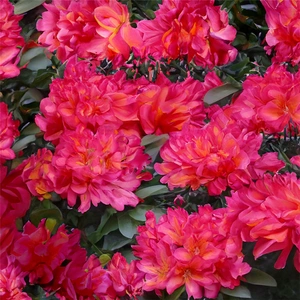
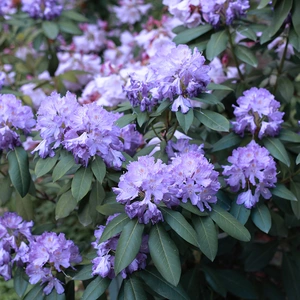
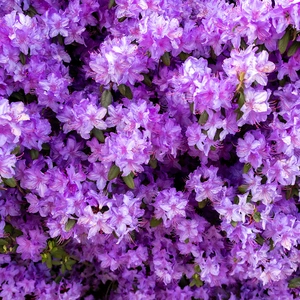
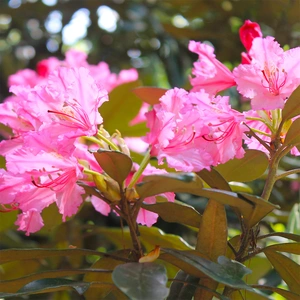
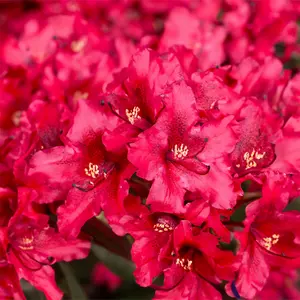
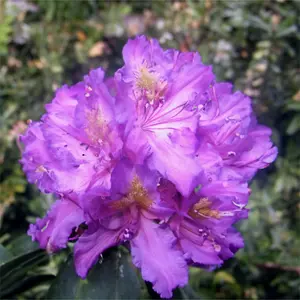
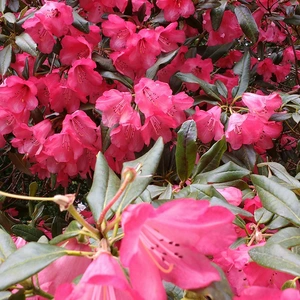
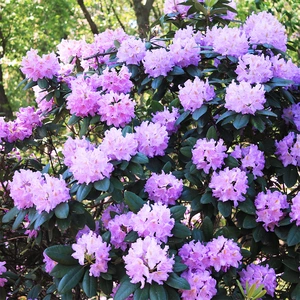
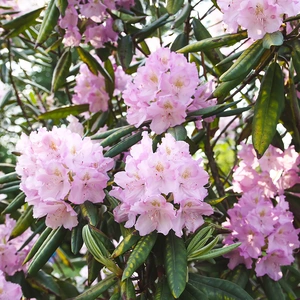
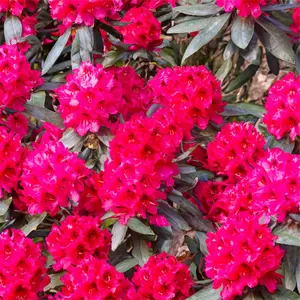
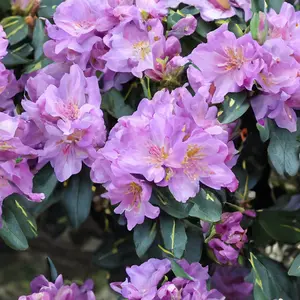
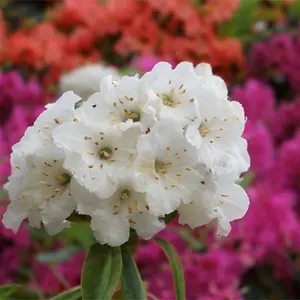
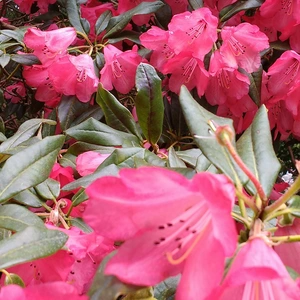
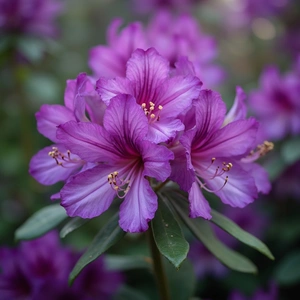
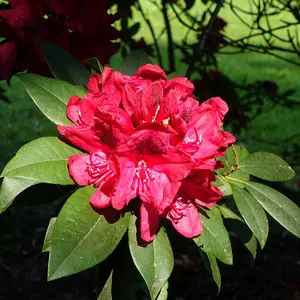
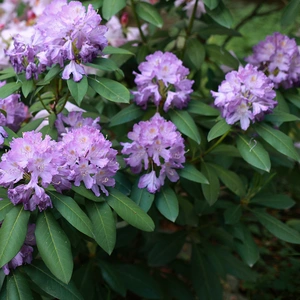
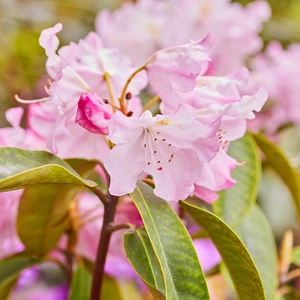
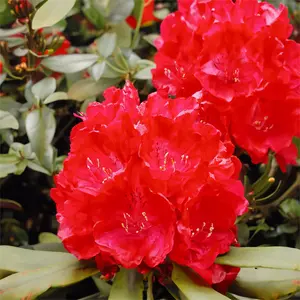
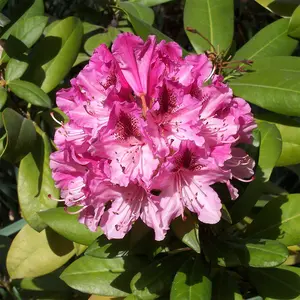
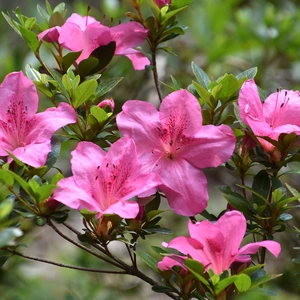
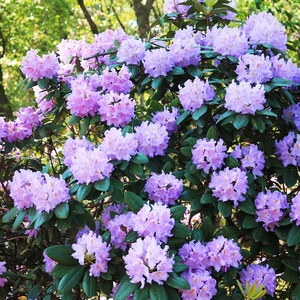
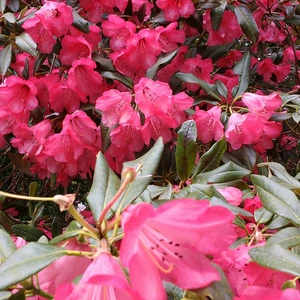
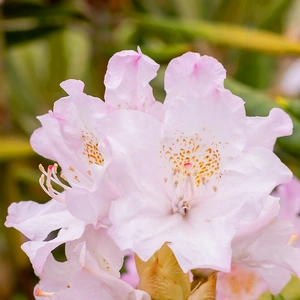
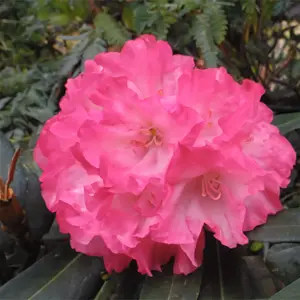
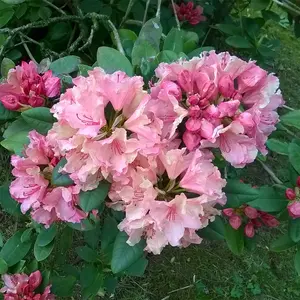
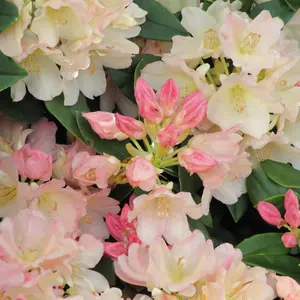
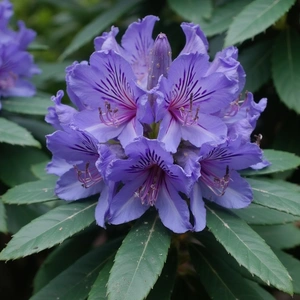
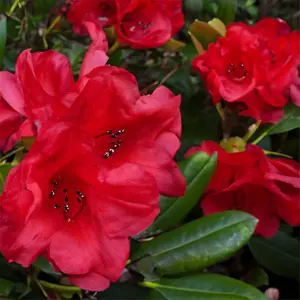
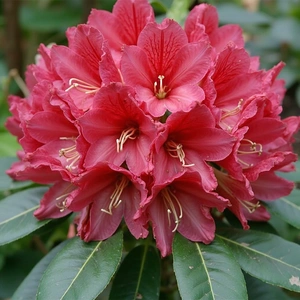
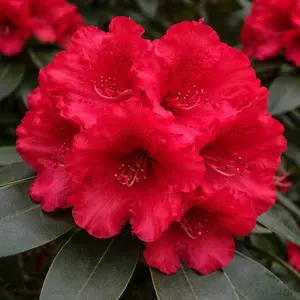
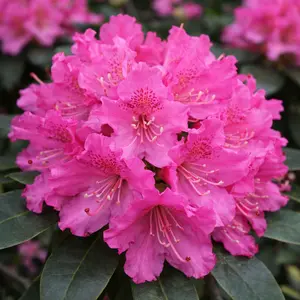
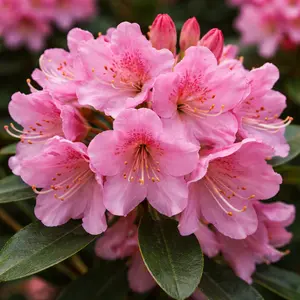
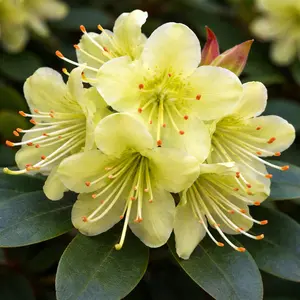
Our rhododendron plants range from compact dwarf rhododendron varieties (including R. yakushimanum 'Percy Wiseman', 'Snipe', and 'Shamrock') to large evergreen shrubs such as 'Madame Masson' and 'Horizon Monarch', suited to woodland gardens and informal plantings. The genus rhododendron produces spectacular trusses of bell shaped flowers in spring, flower buds swelling through winter before opening in pink, white, yellow, and purple. Deciduous azaleas such as 'Kermesina' sit within the same genus and extend colour with fragrant flowers into early summer.
As acid loving plants, rhododendrons thrive in acidic soil with a pH of 4.5 to 6.0. In London, where garden soil is often alkaline or clay-heavy, planting into ericaceous compost and adding organic matter such as pine needles at the surface improves conditions significantly. Most rhododendrons prefer dappled shade or partial shade; full afternoon sun can scorch foliage and damage flower buds. Mulch annually in early spring to retain moisture and suppress weeds.
Rhododendrons and azaleas grow well in pots and containers, ideal for London terraces where soil acidity is difficult to control. Water regularly during dry periods throughout the growing season, as flower buds set in summer and autumn will abort if containers dry out. Check mature size carefully before planting, since varieties range from compact dwarf forms to large shrubs. Many award-holders recognised by the American Rhododendron Society suit smaller gardens beautifully.