


Orchid Indoor Plants
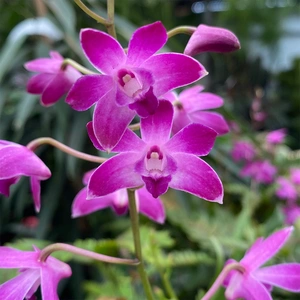
Perhaps the most popular flowering houseplant of them all, Orchids offer a whole host of different orchid varieties, each with unique requirements and characteristics. These plants are known for their large, showy flower blooms, sweet heady scents, and lush green foliage. Most orchids are pretty straightforward to care for, too, so don’t be frightened by their beauty. They’re not as fussy as they may seem. Orchids are a popular choice for indoor plant lovers because of their stunning flowers and the wide range of orchid varieties available to suit different preferences.



About Orchid Plants at Boma
Orchids are a group of plants belonging to the family Orchidaceae, the second largest family of plants, Daisy family (Asteraceae), stealing first spot. There are roughly 20,000 different species of orchid- found on every continent bar Antarctica- resulting in a plant diversity hard to comprehend.
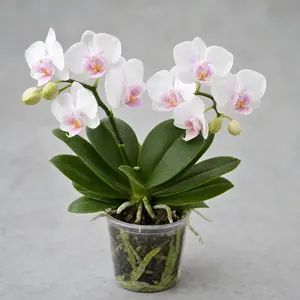
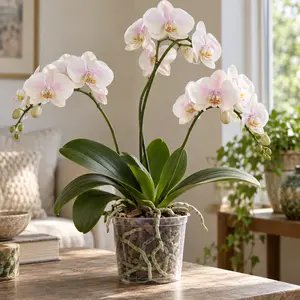
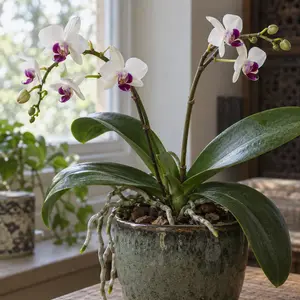
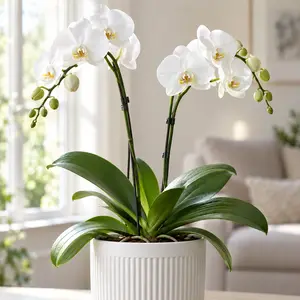
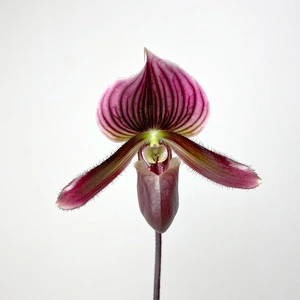
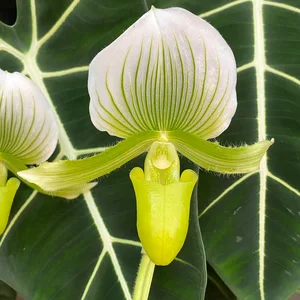
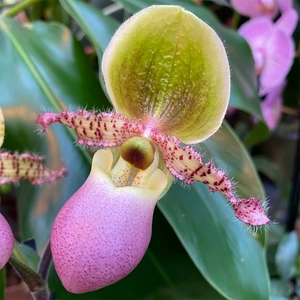
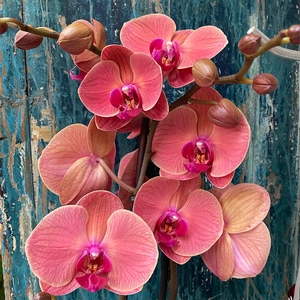
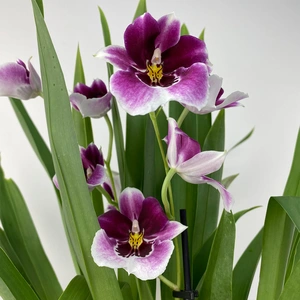
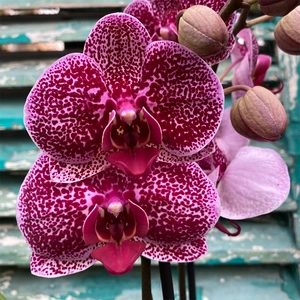
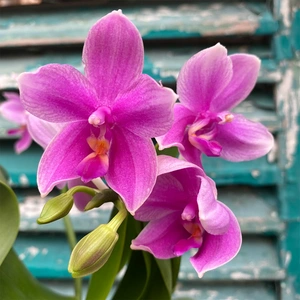
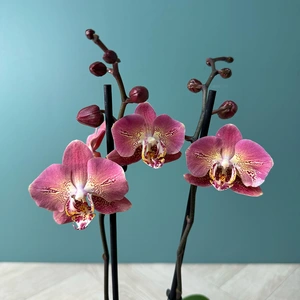
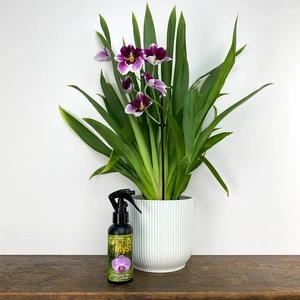
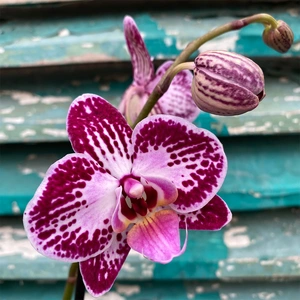
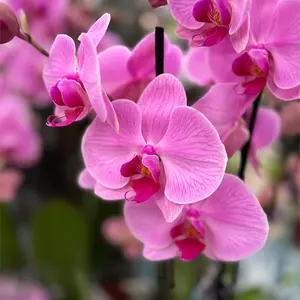
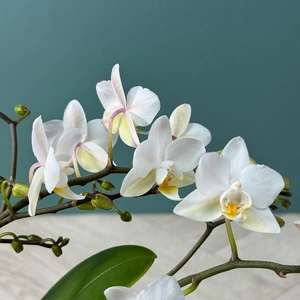
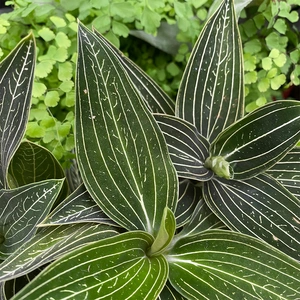
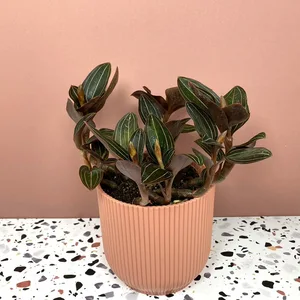
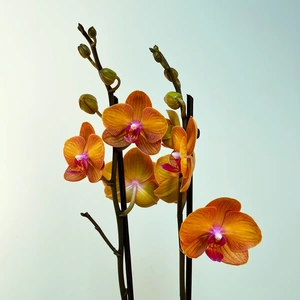
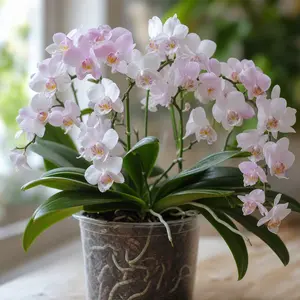
Some of the most common orchids seen here in the UK are the Moth Orchid (Phalaenopsis), Slipper Orchid (Paphiopedilum), Boat Orchid (Cymbidium), Pansy Orchid (Miltonia) and the Dancing lady Orchid (Oncidium) to name a few.
There are many different types of orchids, and each has unique care requirements. Good orchid care involves understanding the needs of different orchids, especially the popular phalaenopsis orchid, which is ideal for beginners due to its ease of care and long lasting flowers.
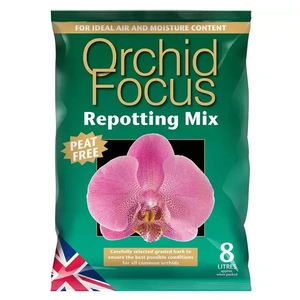
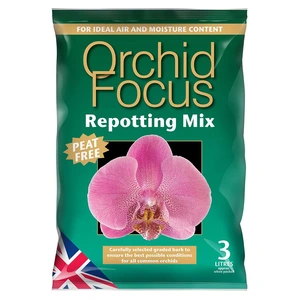
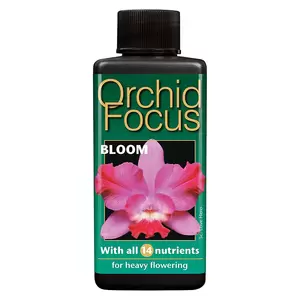
Healthy orchid roots are essential for plant vitality, so repotting orchids regularly and choosing the right growing medium or potting medium, such as sphagnum moss instead of regular soil, is important. Orchids thrive in environments with proper humidity levels, good room for air circulation, and stable temperature and light—preferably bright, indirect light while avoiding direct sunlight. During the growing season, especially in spring and summer, providing fertilizer and food helps support active growth and blooming, while care should be reduced in winter.
Overwatering can cause root rot, and dry air should be avoided to prevent stress. Watch for common pests and use insecticidal soap if needed, and remember that regular repotting supports healthy growth. Orchid flowers have distinct petals, a flower spike, stems, roots, and buds; with proper care, you can encourage more flowers, new flowers, and long lasting blooms. Be aware that petal blight and yellowing leaves or stems can signal problems, and it is normal for spent flowers and leaves to fall. Orchids can be propagated to create a new plant, and some types can even be grown in a garden or on trees in the wild, especially in Asia and South America.
For beginners, key care tips include maintaining a humid environment, using the right potting medium, and replicating the orchid’s natural habitat—when these needs are met, orchids thrive, and there are many different types to explore.
These gorgeous plants make excellent showy houseplants that really aren’t very taxing at all. Check our post on how to care for Orchids