


Topiary Plants
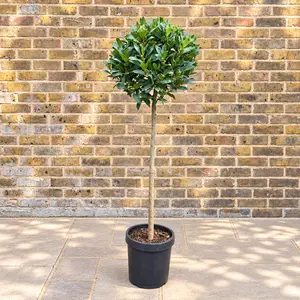
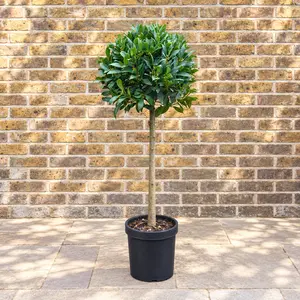
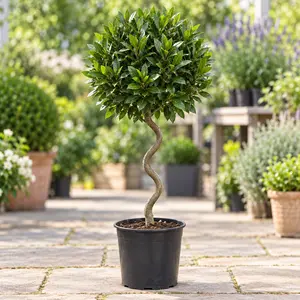
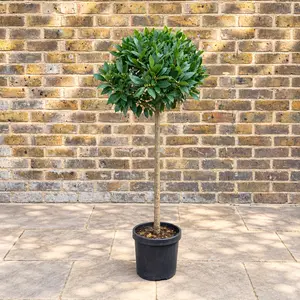
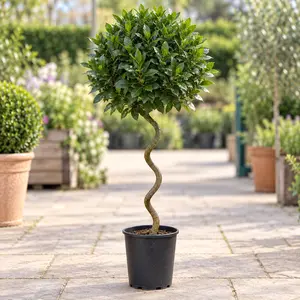
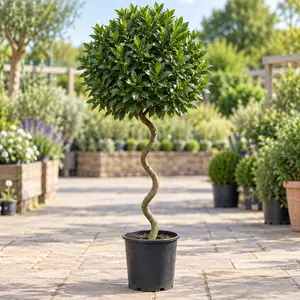
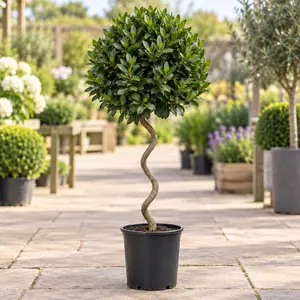
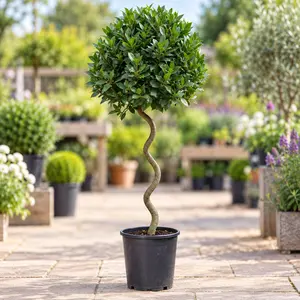
Boma's outdoor topiary plants are precision-clipped evergreen specimens that add instant structure, elegance, and year-round interest to gardens, patios, and entrances across London. Our range of outdoor topiary trees covers the classic shapes most sought-after for formal and contemporary design: Laurus nobilis (bay) in balls, spirals, pyramids, and standards; Taxus baccata (yew) balls and cones; Buxus (box) balls and spirals; and Japanese holly (Ilex crenata) as a box blight-resistant alternative. Visit our Kentish Town centre to browse outdoor topiary trees in person and get expert advice on the right topiary plants for your outdoor space and style.

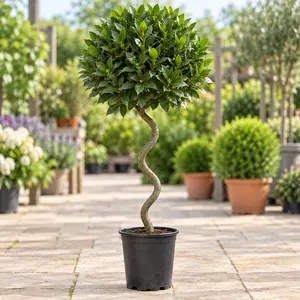
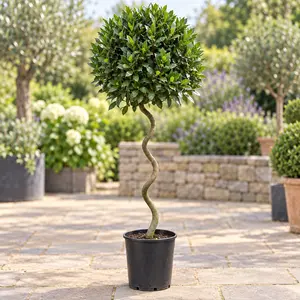
About Our Topiary Plants Collection
Our topiary plants at Boma include the highest quality outdoor topiary trees, each clipped to precise shapes by specialist growers before arriving at our Kentish Town nursery. Classic shapes in our range include balls, spirals, pyramids, cones, and lollipop standards — available in bay, yew, box, and Japanese holly, one of the faster growing species suited to topiary and an excellent blight-resistant alternative to traditional box. All our outdoor topiary trees are evergreen, providing year-round structure and greenery through every season. Artificial topiary trees are also stocked for locations requiring zero maintenance — artificial topiary trees are produced from the highest quality UV-stable materials for outdoor spaces and indoor displays that remain eye-catching in all conditions.
Caring for real outdoor topiary plants requires regular trimming to maintain their defined shapes — most topiary trees need clipping two to three times per year during the growing season. Use topiary shears for fine detail work on box and small-leafed species, or hedge cutters for faster growing species with larger leaves such as bay and privet. Remove unwanted branches and any suckers from the base of standard-stemmed topiary trees to maintain a clean framework. Feed topiary plants with a slow-release balanced fertiliser in spring and again in midsummer to support dense, healthy growth. Topiary plants in containers dry out faster than those in the ground and require more frequent watering during dry spells; check the top inch of compost daily in hot weather and water deeply when it feels dry.
Topiary plants are among the most eye-catching choices for structuring outdoor spaces: a pair of topiary balls or spirals flanking a front door creates instant kerb appeal; a row of pyramids or cones lines a path with formal rhythm; and a single large topiary tree becomes a natural focal point in a planted border or container grouping on a patio. Topiary plants in containers suit patios, terraces, balconies, and roof gardens where planting in the ground is not possible. Hardy outdoor topiary trees can remain outside year-round; container specimens benefit from moving to a sheltered spot during sustained hard frosts