


Verbena Bonariensis Plants
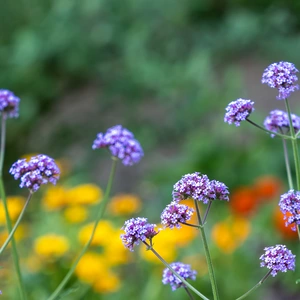
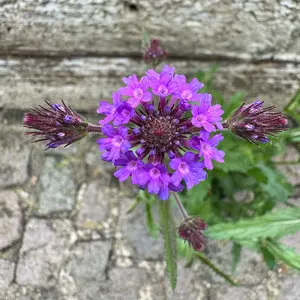
Verbena bonariensis has become a defining plant of the contemporary border for good reason — tall, branching stems rising to 1.5m or more carry clusters of small, vivid violet-purple flowers from midsummer to the first frosts, while allowing sight lines through the planting to remain open. It self-seeds freely and reliably, particularly in gravel and at the base of walls, creating a naturalised presence with minimal intervention. Frost-hardy in sheltered London gardens when established in free-draining soil and a sunny position. Visit Boma to browse our verbena bonariensis plants — a striking architectural perennial and versatile and rewarding addition to any sunny border or potted plants display.

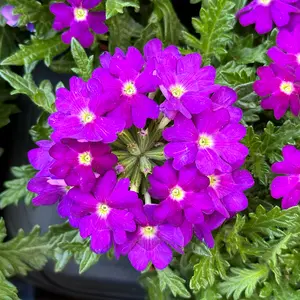
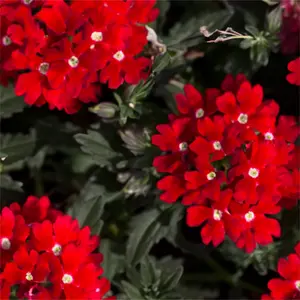
About Our Verbena Bonariensis Collection
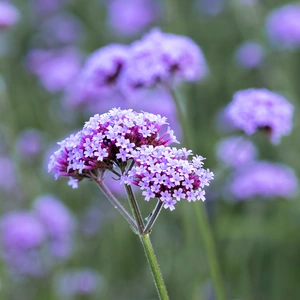
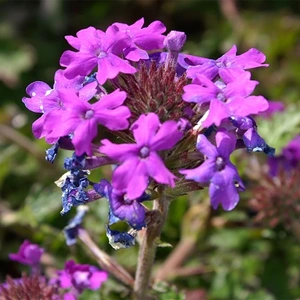
Boma's verbena bonariensis plants are the classic tall verbena of the naturalistic and cottage garden tradition — an elegant plant that acts as a filler plant between complementary perennials, a support tightly packed clusters of small lilac purple flowers creating a see-through curtain of colour throughout the exceptionally long flowering period from June to October. Tall verbena pairs beautifully with ornamental grasses: verbena's light, wispy texture complements the airy stems of late summer grasses to create a dazzling colour contrast in prairie style plantings and traditional border garden design. As verbena plants go, verbena bonariensis is the most wildlife friendly — its nectar rich flowers attract bees, butterflies, and other pollinators throughout its long flowering season, giving any planting scheme outstanding garden wildlife value.
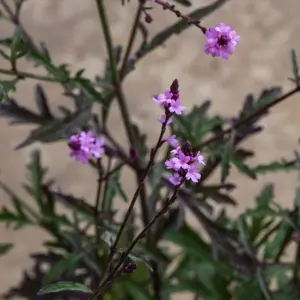
Plant verbena bonariensis in full sun with well-drained, moderately fertile soil. Verbena bonariensis plants grow on angular, upright stems that branch to create airy, spreading plants reaching 1.2–1.5m in height. Space verbena bonariensis plants 30–40cm apart to achieve large scale plantings that create dense blocks of lilac purple flowers. Verbena bonariensis depends on good drainage to thrive — grow verbena plants in well-drained soil or in potted plants with free-draining compost. Verbena bonariensis is drought tolerant once established, requiring only regular watering in very dry spells and when grown as potted plants. In exposed positions, provide natural support using twiggy pea sticks to keep the tall verbena upright.
Verbena bonariensis is a short-lived perennial that self-seeds prolifically and behaves as a spreading plant across sunny borders. The perennial dies back in winter and re-sprouts from the base in early spring when fresh new growth appears — in mild winters verbena bonariensis plants may remain semi-evergreen at the base. Grow verbena bonariensis: cut back to 15cm when shoots emerging in early spring; apply a dry mulch of natural materials around the base in winter to protect the crown during cold spells.
Verbena bonariensis plants can also be grown in partially shaded positions though full sun gives the most flowers. To achieve large scale plantings with verbena bonariensis, allow it to self seed freely — verbana bonariensis establishes new verbena plants each year from seed, continuing the display with minimal effort.