


Outdoor Clematis
Clematis is the most versatile climbing genus available to the gardener in the temperate zone, with species and cultivars providing interest from late winter (C. cirrhosa) through to autumn (C. tangutica, C. viticella). Pruning group determines management: Group 1 needs little intervention; Groups 2 and 3 flower on current or previous season's wood respectively. Most thrive with roots shaded and top growth in sun — a condition easily managed in London's terraced gardens. Boma's outdoor clematis collection spans large-flowered cultivars, evergreen clematis, montana clematis, and viticella types — with varieties for every season, aspect, and garden size. Visit us in Kentish Town for expert advice on pruning groups and planting positions.
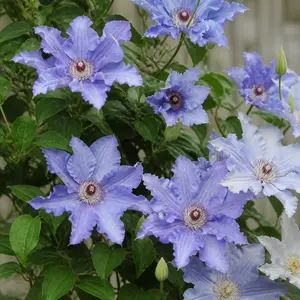
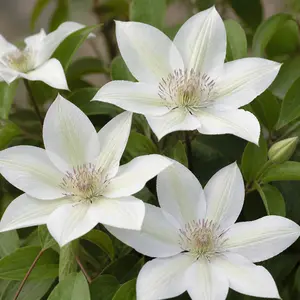
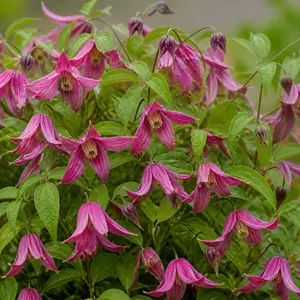
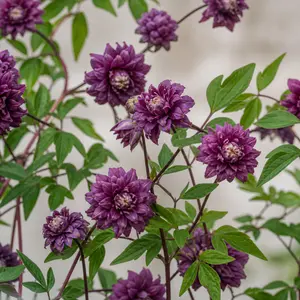
About Our Outdoor Clematis Collection
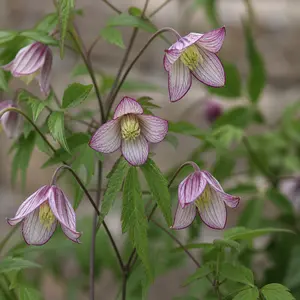
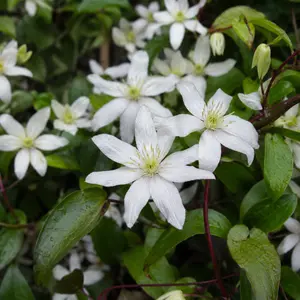
Boma's outdoor clematis collection spans the full width of the genus for UK conditions. Large-flowered clematis plants — the classic Group 2 types — produce spectacular blooms in blue, purple, pink, red, and white from late spring through midsummer, with many clematis producing a strong second flush in late summer. Montana clematis (clematis montana) are the most vigorous climbing clematis, covering large fences, walls, and trees rapidly with masses of small pink or white flowers in late spring — Group 1 plants that need only light tidying after flowering. Evergreen clematis including C. armandii brings fragrant white flowers in early spring and attractive glossy foliage year-round. Late-flowering Group 3 clematis plants — including the viticella and tangutica groups — add height with bell-shaped or lantern flowers through late summer and autumn, often with decorative seed heads to follow.
Most clematis grow best with roots in cool part shade and top growth in sun or light shade — plant clematis plants in fertile soil enriched with well-rotted compost, ensuring good drainage to prevent waterlogging in winter. Container grown clematis can be planted at any time of year provided regular watering is maintained during dry weather and dry spells. When you plant clematis, set the root ball 5-8cm below the soil surface — this protects the crown and allows new shoots to re-sprout from below ground if clematis wilt strikes. Most outdoor clematis plants need tying into a trellis, fence wires, or obelisk support to add height and coverage; montana clematis and viticella types are vigorous enough to grow through established trees and large shrubs without additional support once the first shoots are guided up.
Understanding pruning groups is the key to healthy growth and maximum flowers from outdoor clematis. Group 1 clematis (including montana clematis and evergreen clematis) flower on previous year's wood — prune only after flowering to control size; avoid cutting back in late winter. Group 2 large-flowered clematis flowers on both old and new wood — lightly tidy in late winter, then cut back more after the first flush of flowers in early summer to encourage a second flush of blooms. Group 3 clematis — viticella, tangutica, and texensis groups — flower on the current season's new growth and should be cut back hard to around 30cm from the ground in late winter; this produces the most flowers and healthiest growth.