


Spider Plants - Chlorophytum- Easy-care Plants
Discover the charm and resilience of the Spider Plant (Chlorophytum) at Boma Garden Centre in Kentish Town. Known for its arching variegated leaves and air-purifying qualities, the Spider Plant is one of the easiest and most rewarding indoor plants to grow. People love spider plants for their ease of care and the personality they bring to any space. Perfect for shelves, hanging planters or bright corners, this versatile plant thrives in a wide range of home environments and suits beginners and seasoned plant lovers alike. At Boma, we stock healthy Chlorophytum varieties ready to brighten your living space. You can add a spider plant to personalize or enhance your home or office decor. Visit our indoor greenhouse.
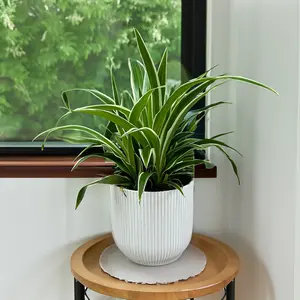
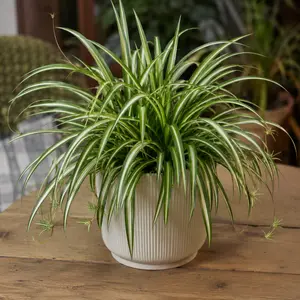
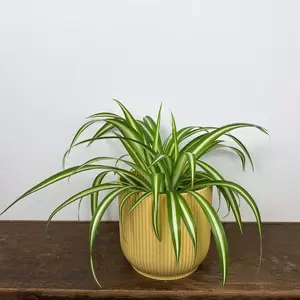
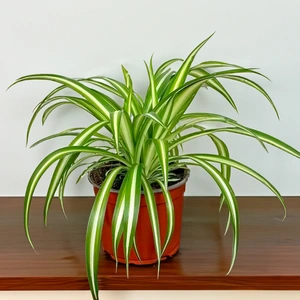
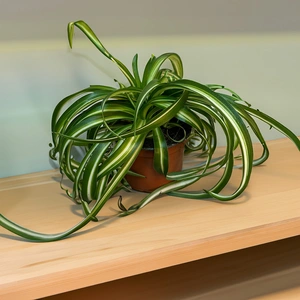
About Spider Plant (Chlorophytum) at Boma
The Spider Plant (Chlorophytum) is one of the most iconic and reliable indoor plants, loved for its graceful arching leaves, air-purifying qualities and effortless growth, as well as the ease of caring for spider plants. Ideal for beginners and experienced plant owners alike, the Spider Plant is a great choice for anyone seeking an easy-care houseplant, bringing fresh greenery, movement and brightness into homes across London. At Boma Garden Centre in Kentish Town, you’ll find a curated selection of Chlorophytum varieties chosen for their vigour, resilience and decorative appeal.
Spider Plants thrive in bright, indirect light but are tolerant of lower light levels, making them perfect for living rooms, hallways, offices and kitchens. Their elegant cascades of foliage make them particularly striking when placed on shelves, in hanging planters or elevated stands where the leaves can naturally trail. With regular watering and occasional feeding, they reward you with strong growth and abundant baby offshoots—popularly called “spiderettes” (also known as pups)—which grow from the main plant and can be easily re-potted to create new plants.
Popular Spider Plant Varieties
Chlorophytum comosum ‘Variegatum’
One of the most recognisable varieties, featuring thin, narrow, and long leaves with creamy white margins and a strong arching form. Excellent for brightening darker corners and adding contrast to green-heavy plant displays.
Chlorophytum comosum ‘Vittatum’
A classic houseplant, also known as the ribbon plant due to its long, slender leaves with a central white stripe and lush green edges. Vigorous, adaptable and perfect for hanging planters.
Chlorophytum comosum ‘Ocean’
Compact and decorative with blue-green leaves edged in cream. This variety is ideal for smaller spaces, desks or side tables due to its compact size. The leaves typically reach a length of 20-30 cm, making it perfect for areas where space is limited.
Chlorophytum comosum ‘Bonnie’
A curly, compact form with spiral foliage and variegation, this variety is sometimes called the airplane plant due to the shape of its leaves resembling propellers. Works well as a focal point or in modern interiors that benefit from sculptural plants.
Chlorophytum laxum ‘Zebra Grass’
A striking variety of spider plants, also known as spider ivy, with bright yellow leaf margins. Adds warmth and a tropical feel to indoor displays.
How to Care for a Spider Plant
| Category | Care Instructions |
|---|---|
| Light | Thrives in bright, indirect light but tolerates semi-shade. Leaves naturally arch toward the light source. Avoid harsh direct sunlight, which can bleach or scorch the leaves. |
| Watering | Keep soil evenly moist, letting the top inch dry slightly between waterings. Check soil moisture with your finger before watering. Ensure good drainage to prevent overwatering. |
| Humidity & Temperature | Prefers average household humidity and temperatures between 15–24°C. Adapts well to most indoor environments. |
| Feeding | Use a balanced liquid fertiliser once a month during spring and summer to promote growth and baby plant (spiderette) production. |
| Placement | Ideal for kitchens, hallways, bathrooms, desks, or hanging baskets. Looks stylish in ceramic or Elho pot covers. |