


Azalea Plants
Azalea — covering both the evergreen Japanese types (Rhododendron kiusianum and R. obtusum groups) and the deciduous Ghent and Exbury hybrids — demands acid, humus-rich soil and consistent moisture. In London gardens where soil pH is naturally alkaline, raised beds with ericaceous compost or large containers are the reliable route to success. Evergreen azaleas offer compact habit with vivid spring flowers and semi-persistent foliage; deciduous types deliver exceptional autumn colour as well. Sheltered from desiccating winds and planted in partial shade, they are long-lived and low-maintenance. Visit Boma to see our current Azalea selection.
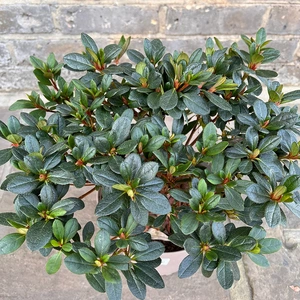
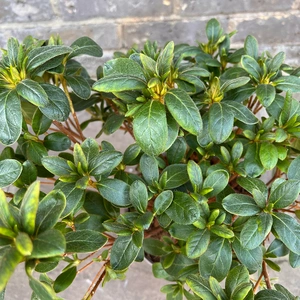
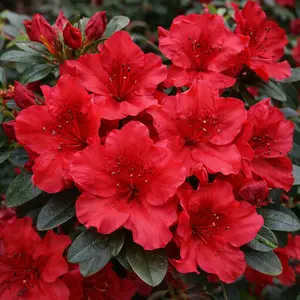
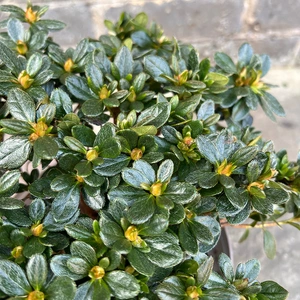
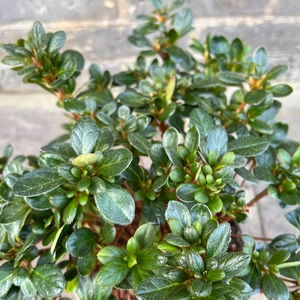
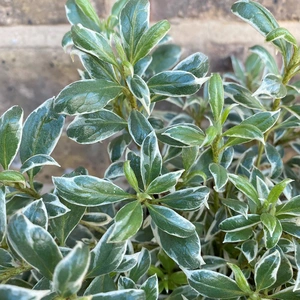
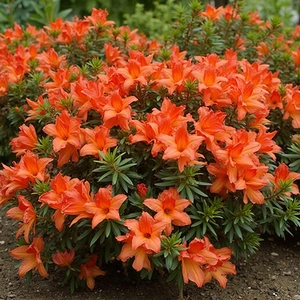
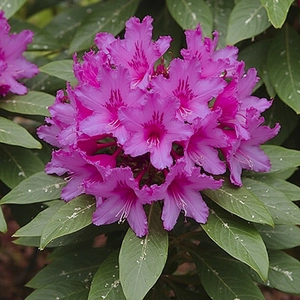
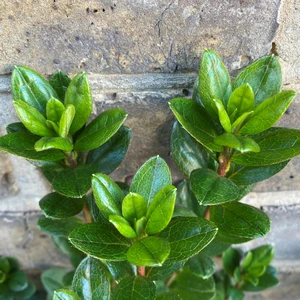
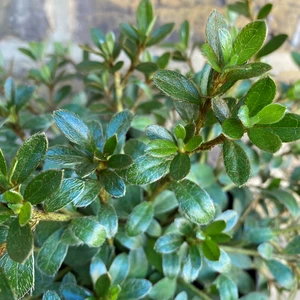

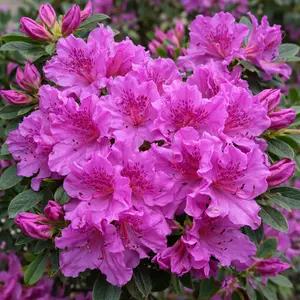
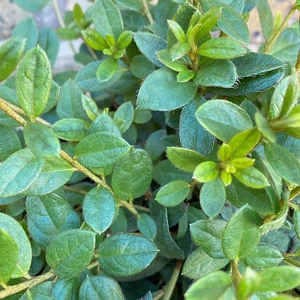
About Our Azalea Plants Collection
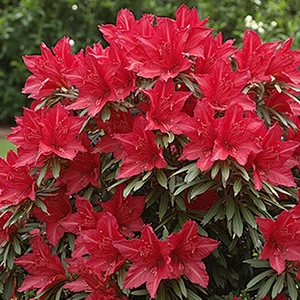
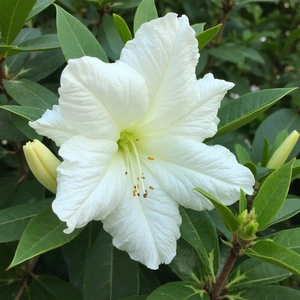
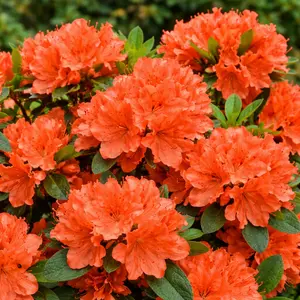
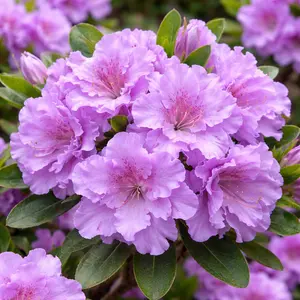
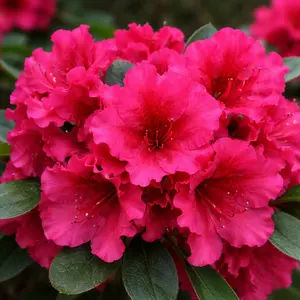
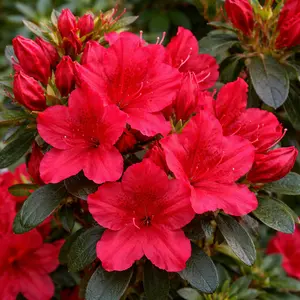
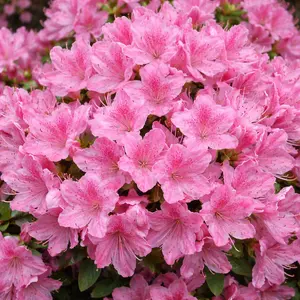
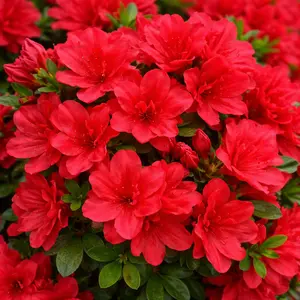
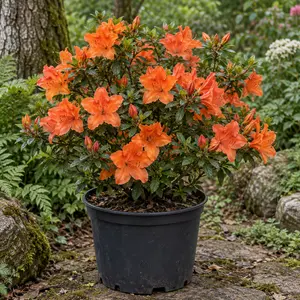
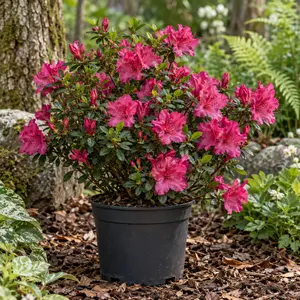
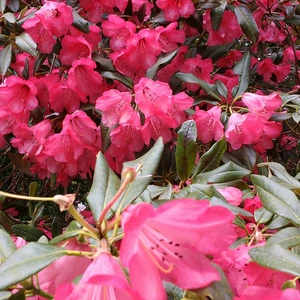
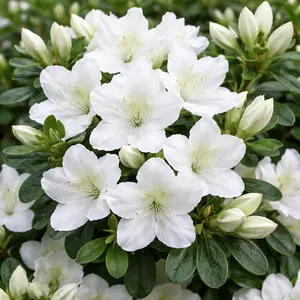
Boma's azalea plants range covers the key groups available to UK gardeners. Evergreen Azalea japonica varieties form compact, dome-shaped shrubs that bloom spectacularly in April and May, their vivid flowers covering the plant before the foliage fully expands. For a softer effect, Mollis and Exbury deciduous varieties deliver large, trumpet-shaped flowers in orange, red, yellow, and pink shades, with exceptional autumn colour as foliage changes before falling. All azaleas are closely related to rhododendrons — azaleas and rhododendrons share the same genus — and require the same ericaceous plants approach: acid soil with a pH of 4.5–6.0 and partial shade for best performance in UK gardens.
Azaleas bloom most reliably in partial shade, sheltered from cold weather and strong direct sun that can scorch flowers and fade bloom colour rapidly. Azalea japonica in particular requires ericaceous compost with the correct pH — alkaline soils cause yellowing of azalea leaves (chlorosis) and poor growth over time. In London gardens where soil is often alkaline or clay-heavy, growing in pots with ericaceous compost is the most reliable approach. Water regularly during dry periods, using rainwater where possible as tap water can raise soil pH.
Azalea plants in containers can be moved to a sheltered position or unheated greenhouse during severe frost, extending their usefulness in exposed gardens. After flowering in spring and early summer, move potted azaleas to a shaded spot outdoors through summer, keeping soil consistently moist to support next year's flower buds as they develop. Repot every two to three years into larger pots with fresh ericaceous compost to prevent pot-bound roots. Mulch borders with pine bark to suppress weeds and retain moisture. For older plants that become leggy, light pruning immediately after flowering encourages fresh new growth without removing the forming flower buds for the following season.