


Hydrangea Plants
Hydrangeas offer some of the most sustained flowering of any shrub in the temperate garden, with mophead and lacecap forms of H. macrophylla, the elegant panicle heads of H. paniculata, and the reliable white domes of H. arborescens all performing well in London's urban conditions. Soil pH shifts blue to pink in macrophyllas; paniculatas tolerate drier, sunnier spots. Most work well in large containers given adequate moisture. Visit Boma in Kentish Town to explore our curated collection of hydrangea plants, from compact patio varieties to large statement shrubs for beds and mixed borders.




About Our Hydrangea Plants Collection
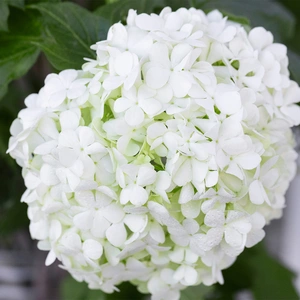
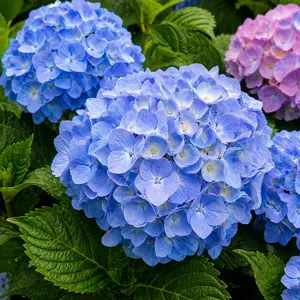
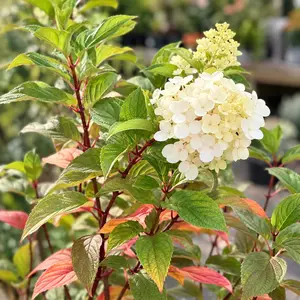
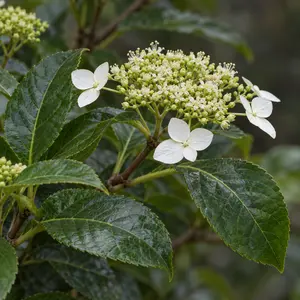
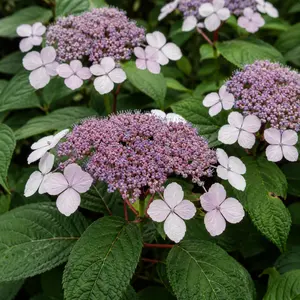
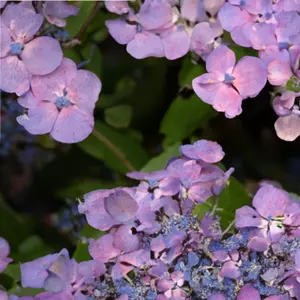
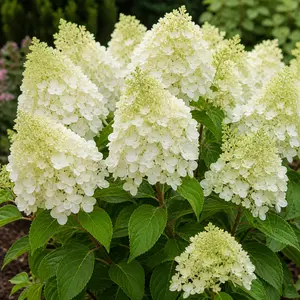
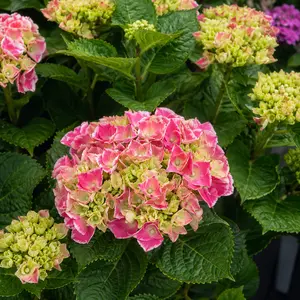
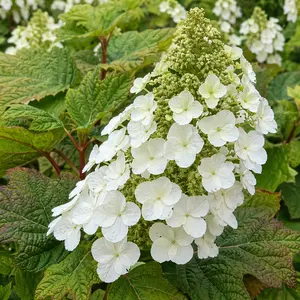
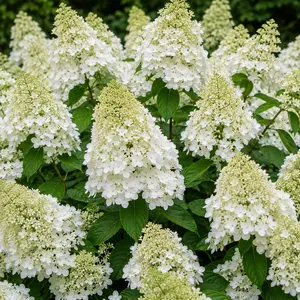
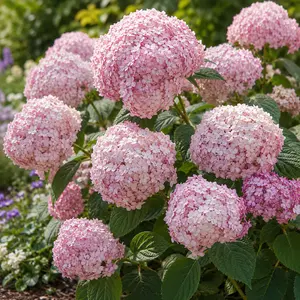
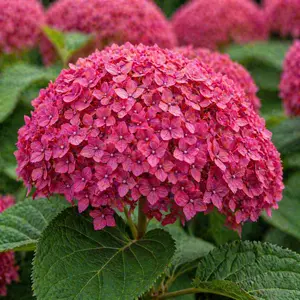
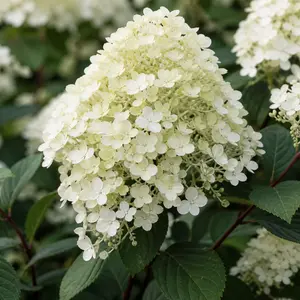
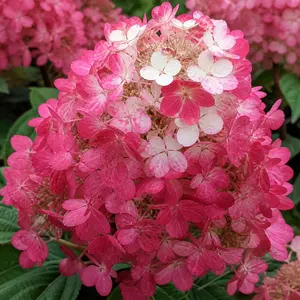
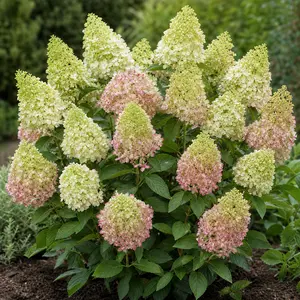
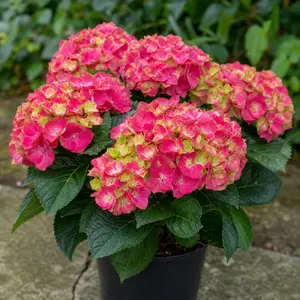
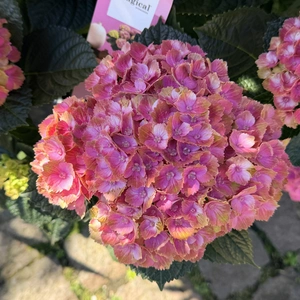
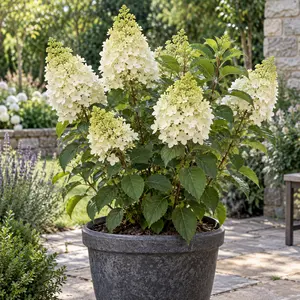
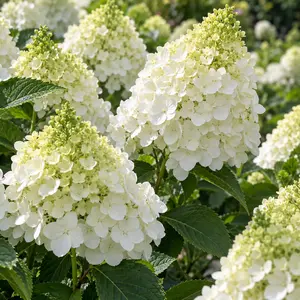
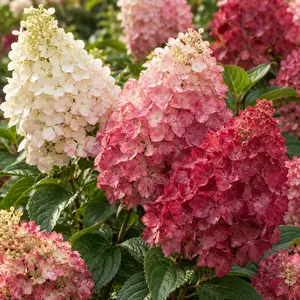
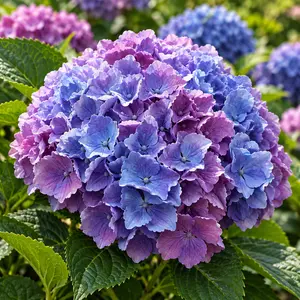
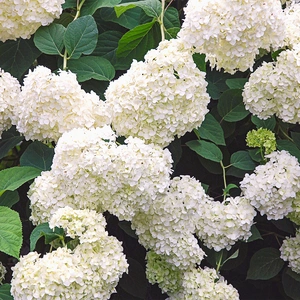
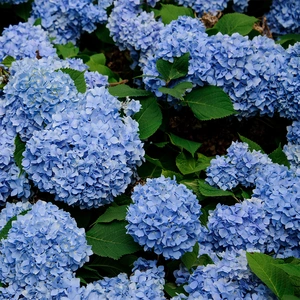
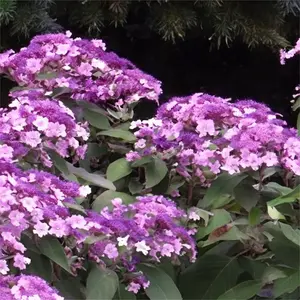
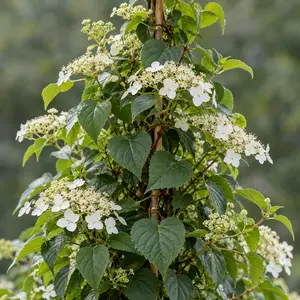
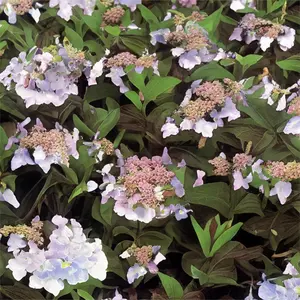
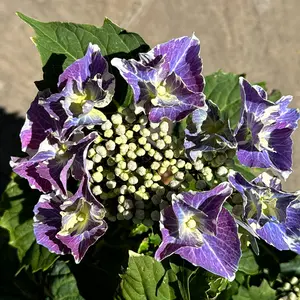
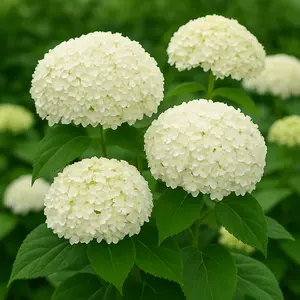
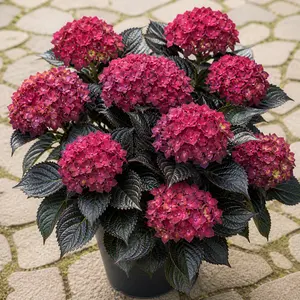
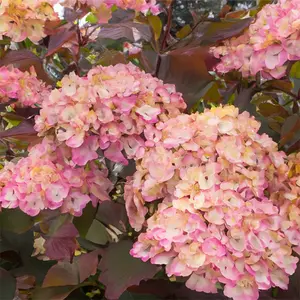
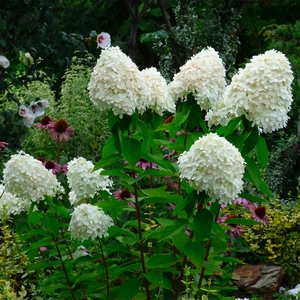
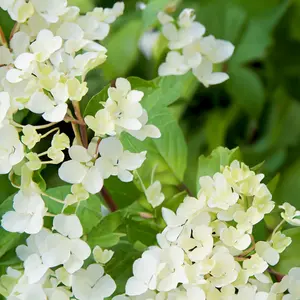
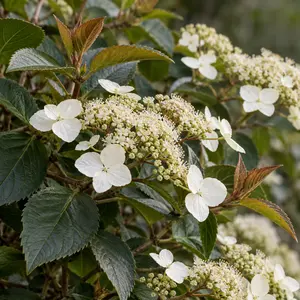
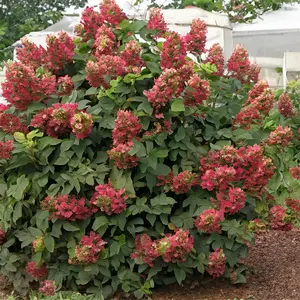
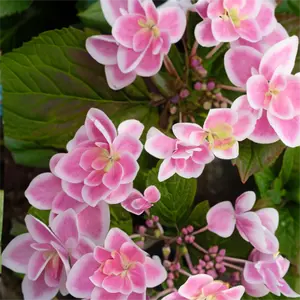
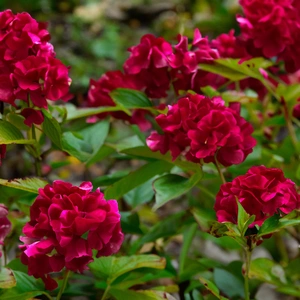
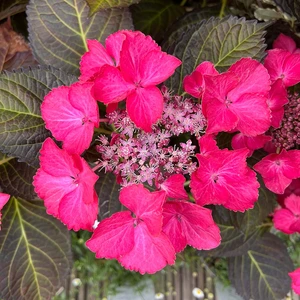
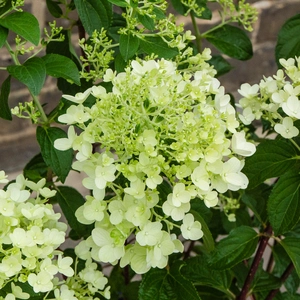
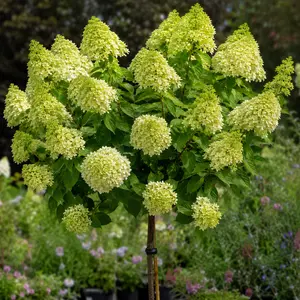
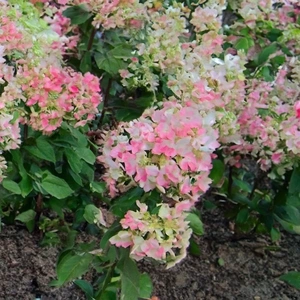
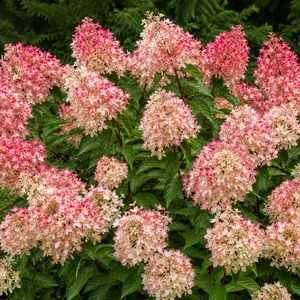
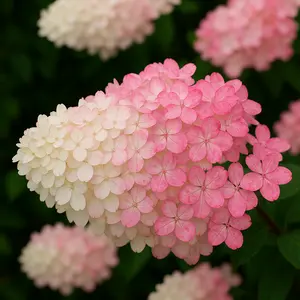
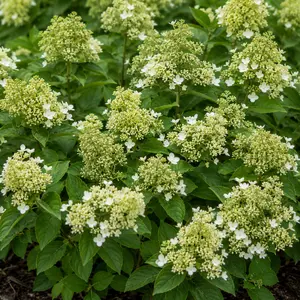
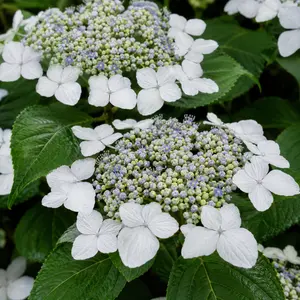
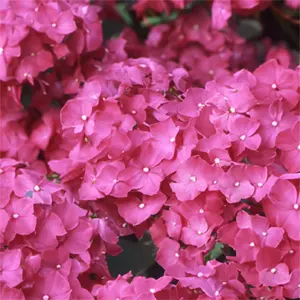
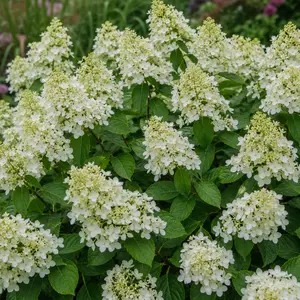
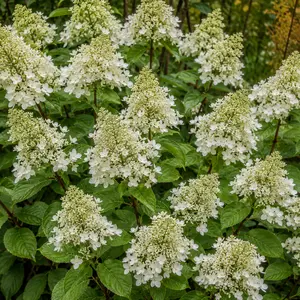
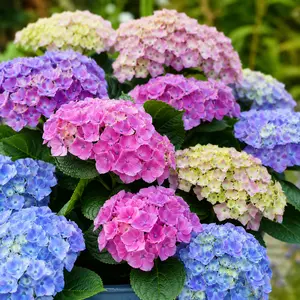
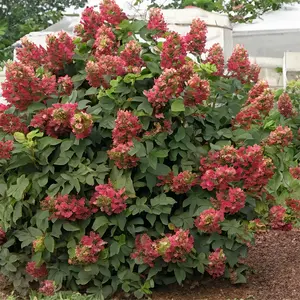
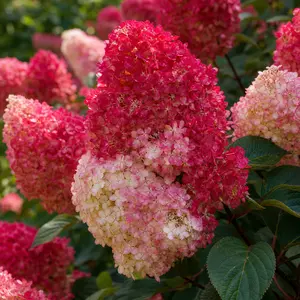
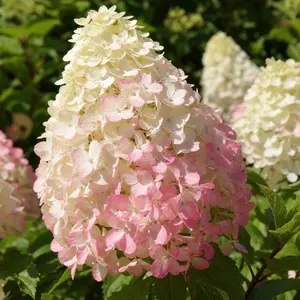
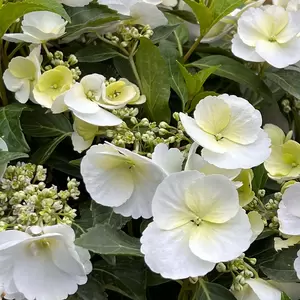
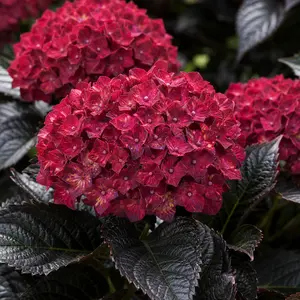
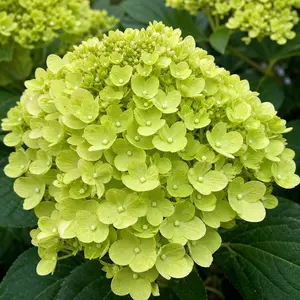
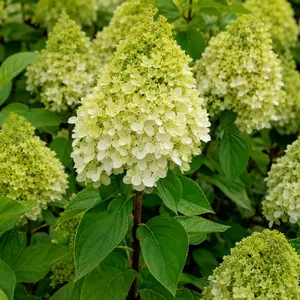
Boma's hydrangea plants collection covers the key species suited to UK gardens: Hydrangea macrophylla in mophead and lacecap forms, with flower colour that shifts from pink flowers to blue flowers depending on soil pH; Hydrangea paniculata with its elegant, tapering white flower heads that age to pink through late summer and autumn; and Hydrangea arborescens 'Annabelle' with its reliable large white domes. We also stock Hydrangea petiolaris, the self-clinging climbing hydrangea, and Hydrangea quercifolia (oakleaf hydrangea) for outstanding autumn foliage colour. All are among the most rewarding hydrangea plants for London gardens.
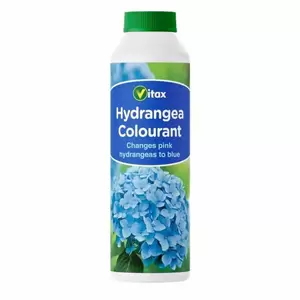
Most hydrangeas thrive in moist well-drained soil enriched with organic matter, in partial shade sheltered from harsh afternoon sun, which can scorch foliage and cause wilting. Morning sun with afternoon shade is ideal for hydrangea macrophylla. Hydrangea paniculata is the most sun-tolerant species, tolerating full sun provided the roots stay consistently moist. To grow hydrangeas successfully in large containers, water frequently — flower buds abort during dry spells if moisture is insufficient. Soil pH controls flower colour in macrophyllas: acidic conditions (pH below 6.5) produce blue flowers; alkaline conditions produce pink flowers. Specialist hydrangea colourant can shift colour in containers.
Pruning hydrangea plants correctly is key to consistent flowering. Most hydrangeas — including hydrangea macrophylla — flower on the previous year's wood, so avoid cutting back hard in late winter as this removes developing flower buds. Instead, deadhead spent hydrangea flowers in early spring when new growth is visible, cutting just above the first pair of healthy buds.