


David Austin Climbing Roses
David Austin Climbing Roses bring elegance and structure to any garden, producing large flowers with captivating fragrance and timeless beauty. Perfect for adorning walls, arches, trellises, pillars, and fences, these versatile climbers create stunning vertical displays that enhance outdoor spaces. With a diverse selection available at Boma Garden Centre, these roses thrive in London gardens, offering a spectacular show of blooms from summer through autumn. From compact climbing roses suited to obelisks and smaller gardens to vigorous varieties for pergolas and large walls, our collection covers some of the finest David Austin climbing roses available in the United Kingdom.
About Our David Austin Climbing Roses Collection
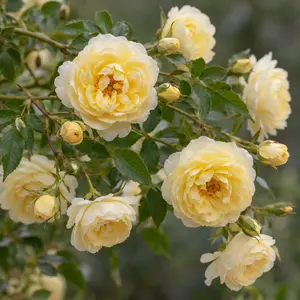
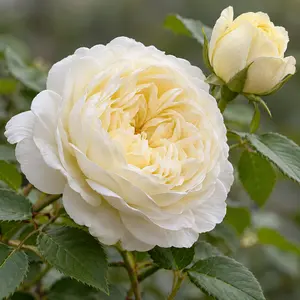
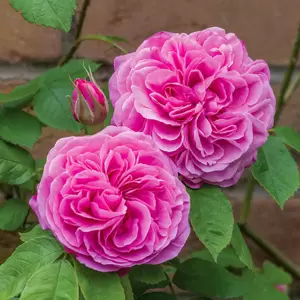
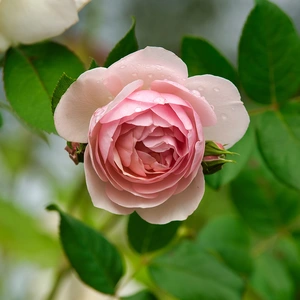
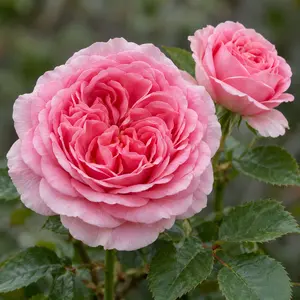
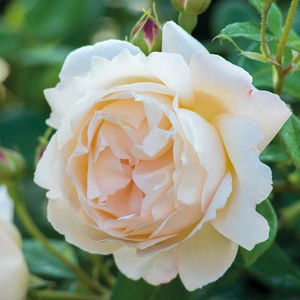
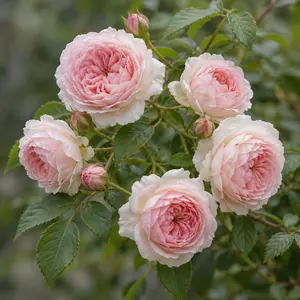
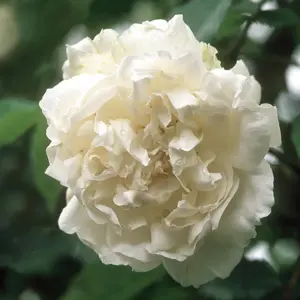
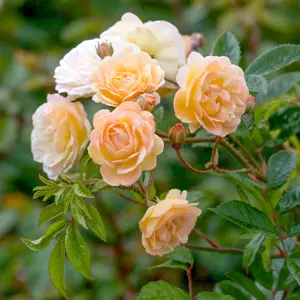
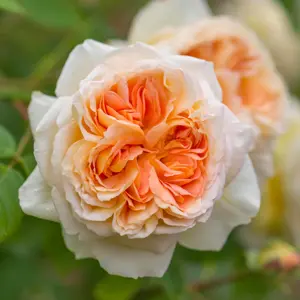
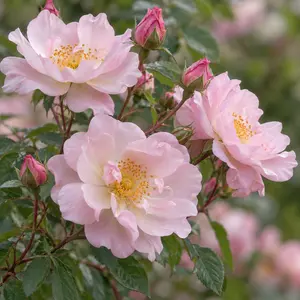
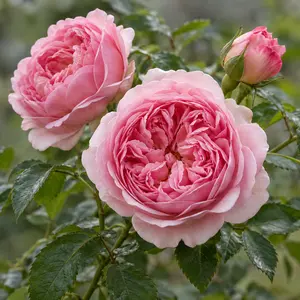
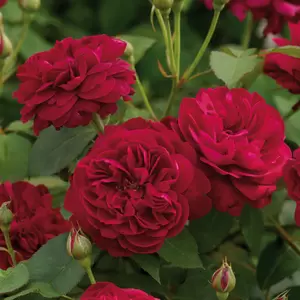
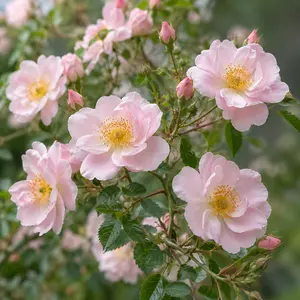
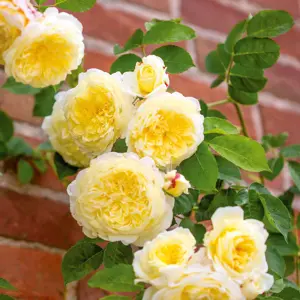
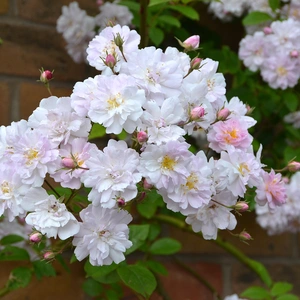
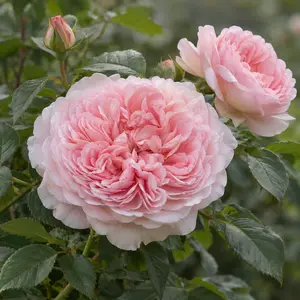
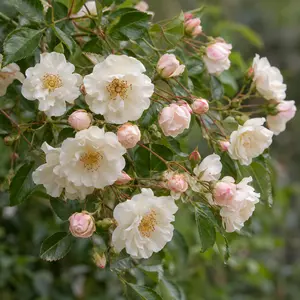
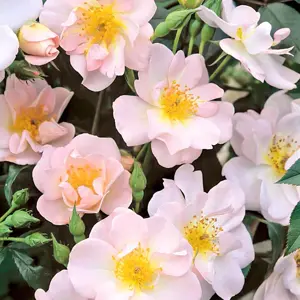
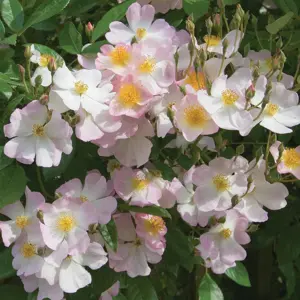
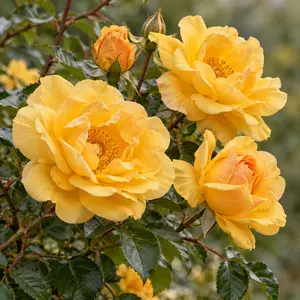
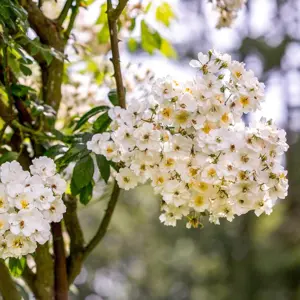
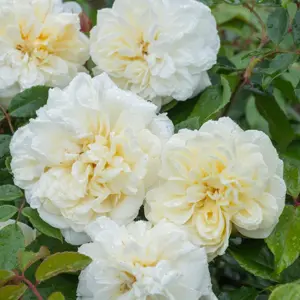
Our David Austin climbing roses collection at Boma is selected for fragrance, vigour, and dependable flowering in London conditions. Climbing Iceberg — one of the most widely grown climbing roses in the United Kingdom — produces abundant clusters of white flowers held singly or in small groups from early summer right through to autumn. 'A Shropshire Lad' offers large, cupped, peachy-pink flowers with a strong fruity fragrance on manageable growth to around 4 metres, ideal for walls and fences in smaller gardens. Repeat-flowering david austin climbing roses such as 'The Generous Gardener' and 'Wollerton Old Hall' combine old rose charm with continuous bloom from early summer to autumn, all with exceptional fragrance.
To grow climbing roses successfully, choose a sunny position in fertile soil with well-drained soil — climbing roses dislike waterlogged or very dry soils. A position in full sun or light shade receiving at least four hours of direct sun daily works well. Plant climbing roses at least 30cm away from the base of walls or fences to avoid the rain shadow, and prepare the planting hole with well-rotted organic matter. Water with regular watering in the first growing season until the root system is established. When you plant climbing roses, tie in new long shoots and flowering shoots with soft garden ties as they develop, training them horizontally or at an angle — stems trained at an angle produce significantly more bloom than those growing straight up.
Train climbing roses onto walls, fences, trellises, arches, pergolas, obelisks, and pillars using horizontal wires or trellis fixed at 30–45cm intervals, securing each stem with soft garden ties as it grows. The main pruning time for climbing roses is late winter, when the main framework should be assessed, deadwood removed, and weak growth cut back to strong new growth. Tie in long shoots produced through the season, fanning them out to fill the available space. Unlike rambling roses — which flower just once on the previous year's growth — most David Austin climbing roses repeat flower from early summer to autumn and respond well to deadheading.