


Hellebore Plants (Helleborus)
Bring winter charm to your garden with Hellebores from Boma Garden Centre, London's top destination for exceptional plants. From shadowy Hampstead courtyards to cosy Camden patios, Boma's hellebores offer winter magic for North London gardens in need of resilient, colourful blooms. These hardy perennials, chosen by local horticultural experts, thrive in London shade and clay-rich soil — transforming small city spaces into tranquil retreats, even during the frostiest months. Our collection spans Christmas rose, Lenten rose, and a wide range of Helleborus x hybridus forms — ideal shade loving perennials for woodland gardens and sheltered London borders.

About Our Hellebore Plants Collection
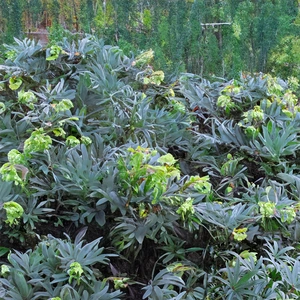
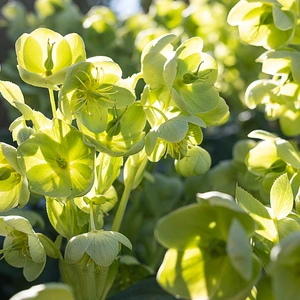
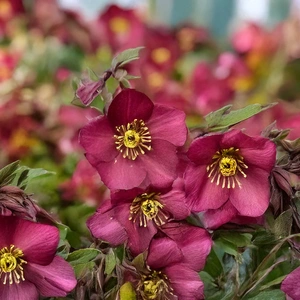
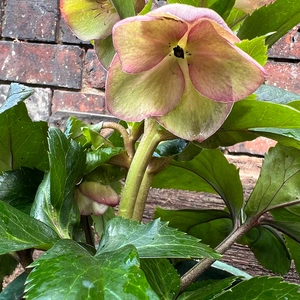
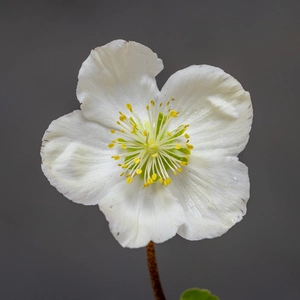
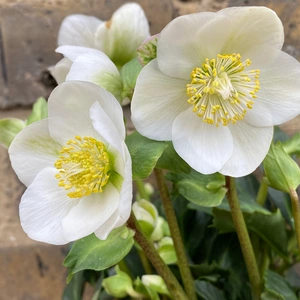
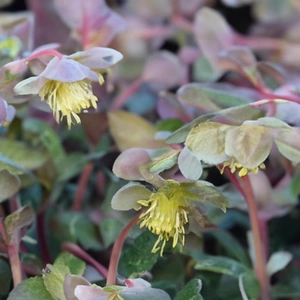
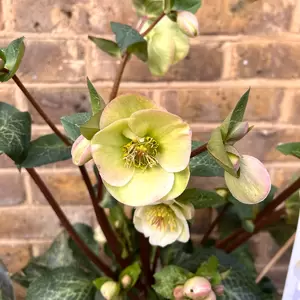
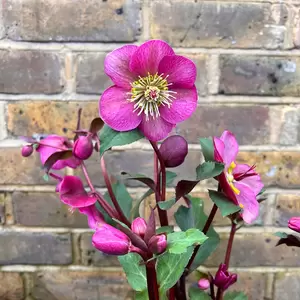
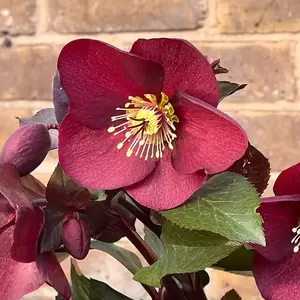
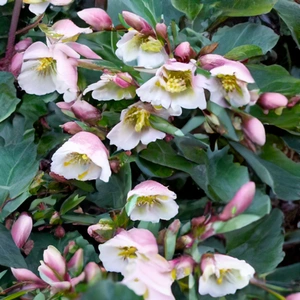
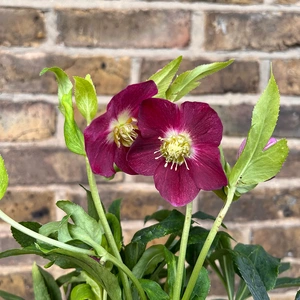
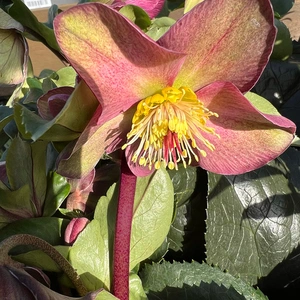
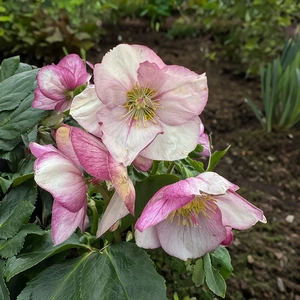
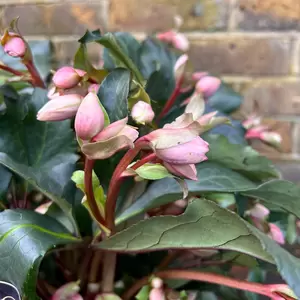
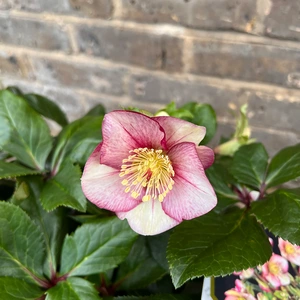
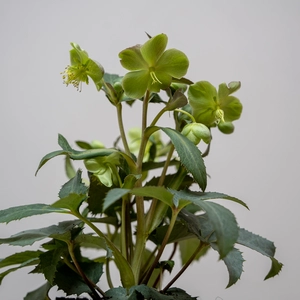
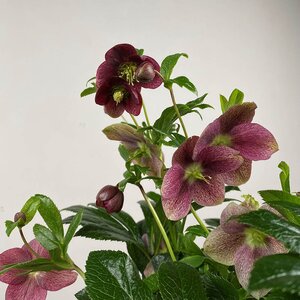
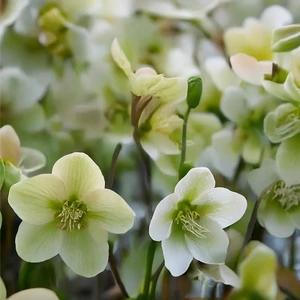
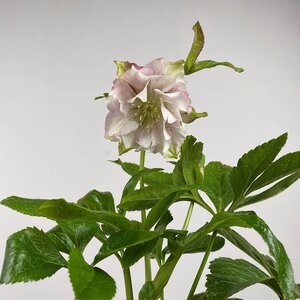
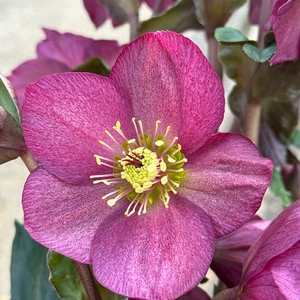
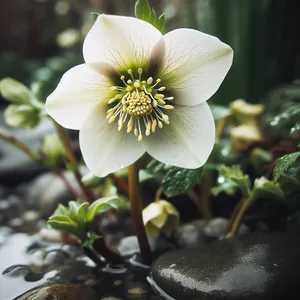
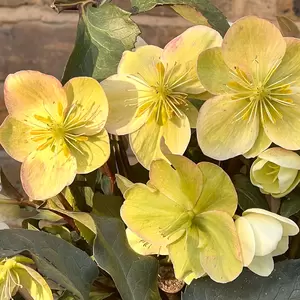
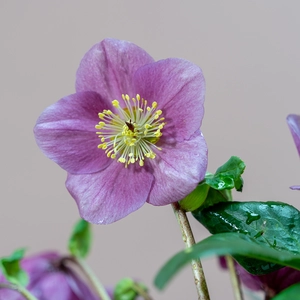
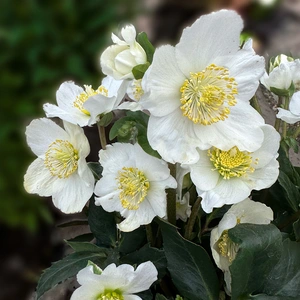
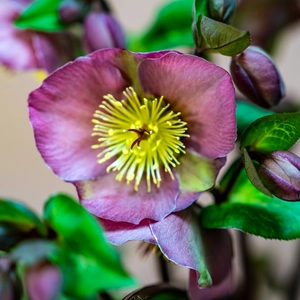
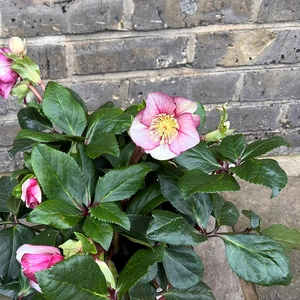
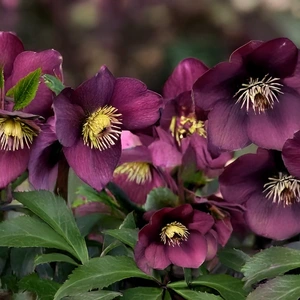
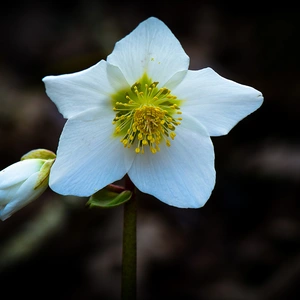
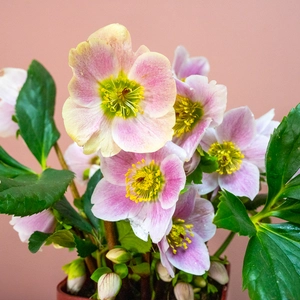
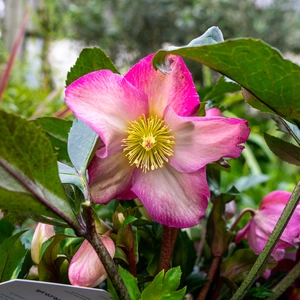
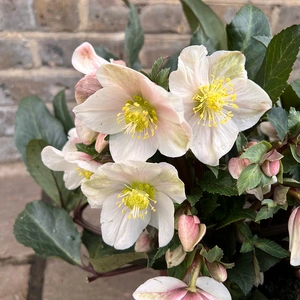
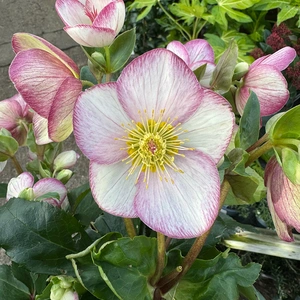
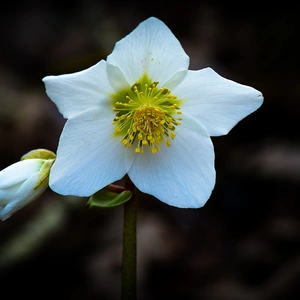
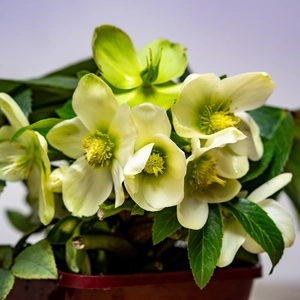
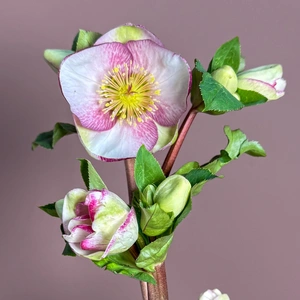
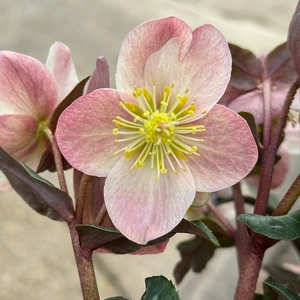
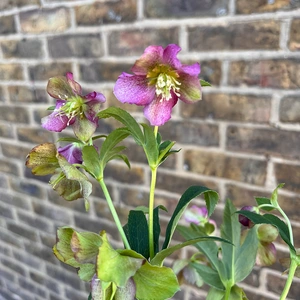
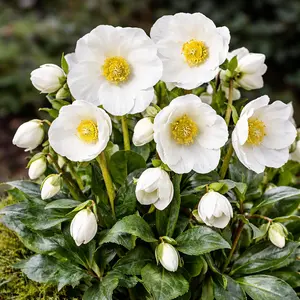
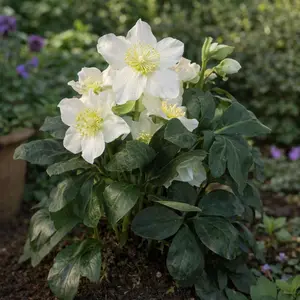
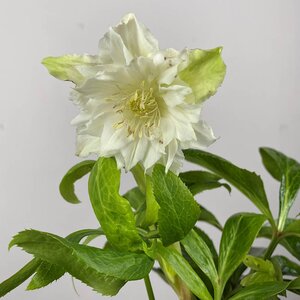
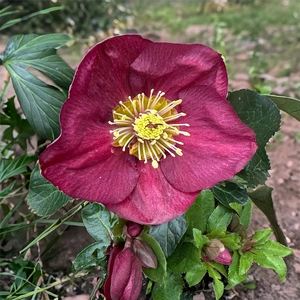
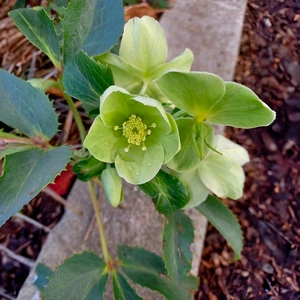
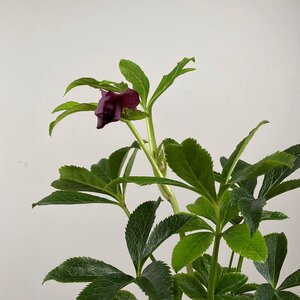
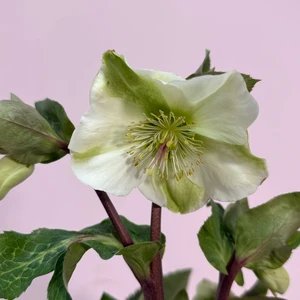
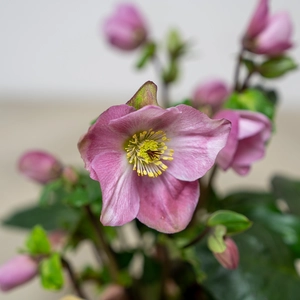
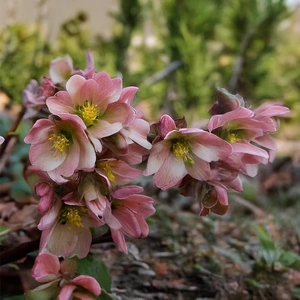
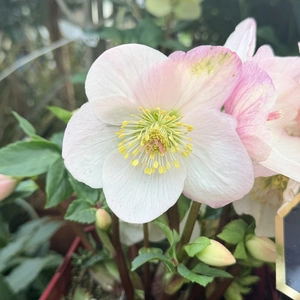
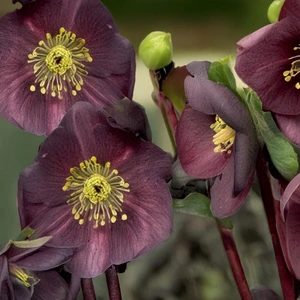
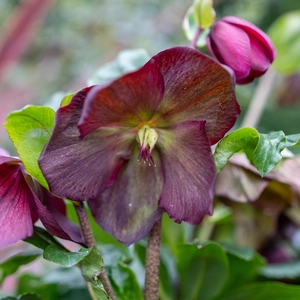
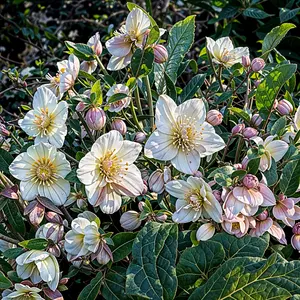
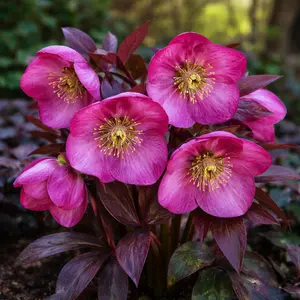
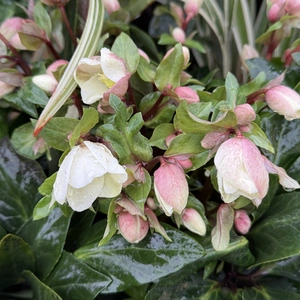
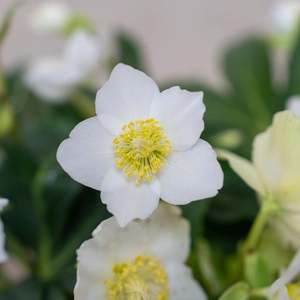
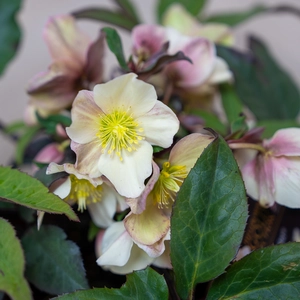
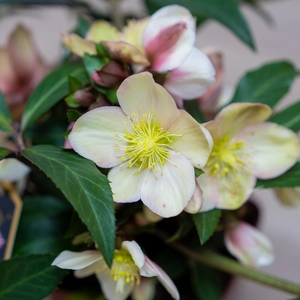
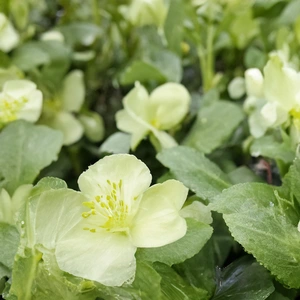
Our hellebore plants collection at Boma brings together the full range of helleborus species and varieties, from the pure white flowers of Helleborus niger 'Christmas Carol' — the classic Christmas rose — to the rich purple, pink, and bi-colour downward facing blooms of Helleborus x hybridus Lenten roses. Collectors will find the Ice N Roses series of Helleborus x glandorfensis, Helleborus x sternii, and the stinking hellebore (Helleborus foetidus) with its elegant nodding blooms and long flowering period stretching from December through to April. All helleborus plants are chosen for shade gardens and partial shade conditions.
Hellebore plants thrive in partial shade or dappled light beneath deciduous trees, making them ideal shade loving perennials for London's sheltered courtyards and woodland gardens. Plant hellebores in humus-rich, well-drained soil, incorporating organic matter around the root ball at planting time. Water regularly after planting until established — hellebore flowers emerge reliably from late winter even in full shade. Most helleborus plants are fully hardy and deer resistant, with low maintenance requirements. Simply remove tatty foliage in late winter before flowers emerge in early spring to improve the display and air flow around new growth.
Container planting works particularly well for helleborus plants in London gardens where clay-heavy borders may drain poorly. Choose a pot at least 30cm deep, fill with loam-based compost enriched with leaf mould, and position in partial shade or full shade. Helleborus niger — the winter rose — flowers earliest, often from December, while lenten roses follow through February and March in a succession of nodding blooms. At Boma, our curated helleborus x collection is refreshed throughout winter, giving you the best choice of cultivars and colour forms in North London throughout the christmas rose and lenten rose season.