


Olive Trees
Bring a touch of the Mediterranean to your North London haven with Boma's exquisite olive tree collection, thoughtfully chosen for stylish balconies in Camden, elegant patios in Hampstead, and lush gardens across Muswell Hill and Finchley. Our horticultural experts handpick olive trees that thrive in London's unique climate, offering tailored advice and convenient M25 delivery. Our range spans potted olive trees in smaller sizes for compact outdoor spaces through to large olive trees in multi-stem and standard tree forms — hand selected olive trees chosen for characterful trunks and well-established root systems. Visit Boma in Kentish Town to see our full collection of outdoor olive trees in person.
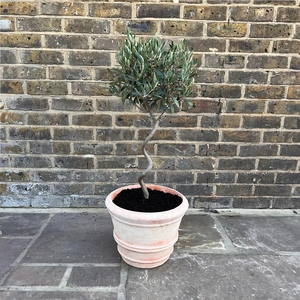
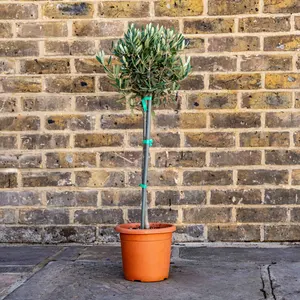
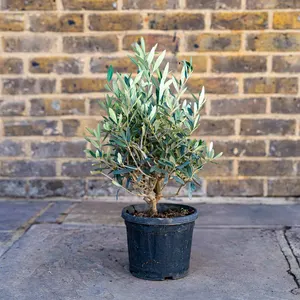
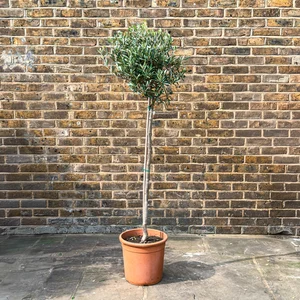
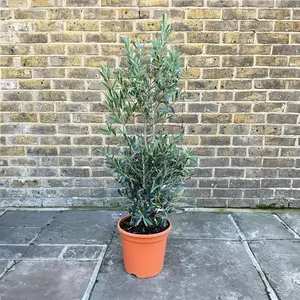
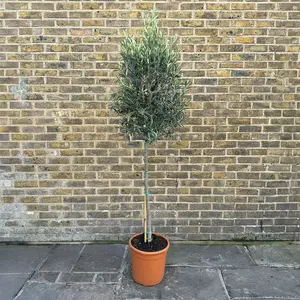
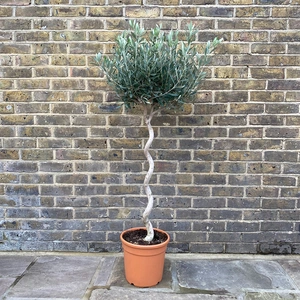
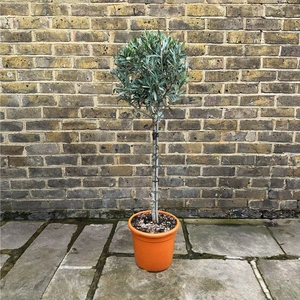
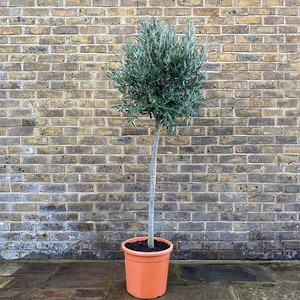
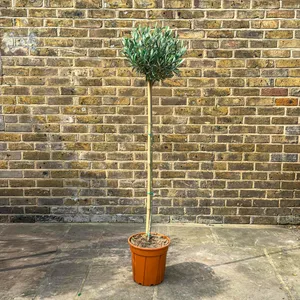
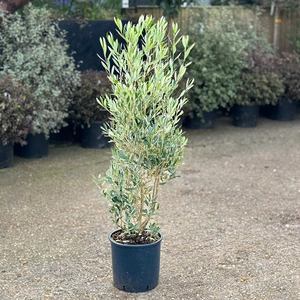
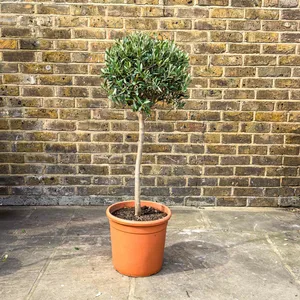
About Our Olive Trees Collection
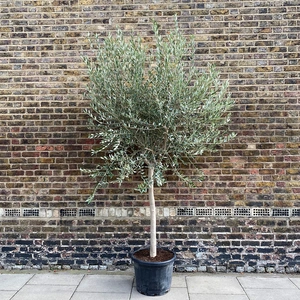
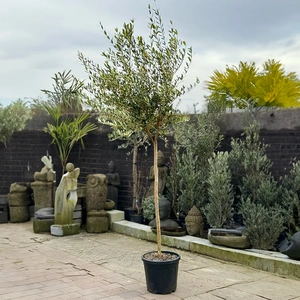
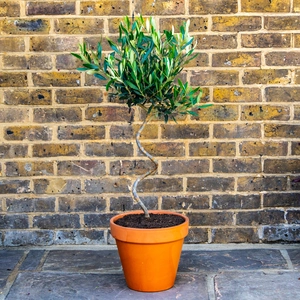
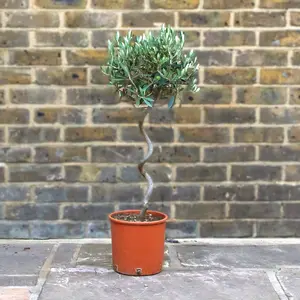
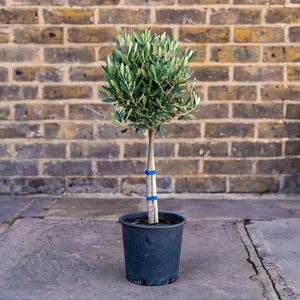
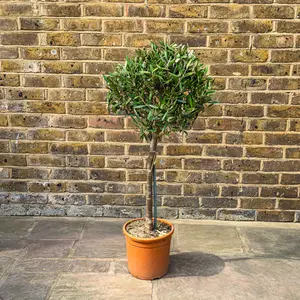
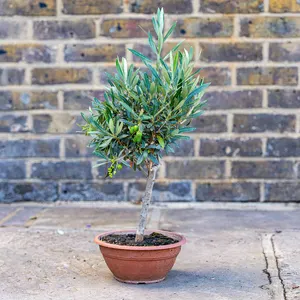
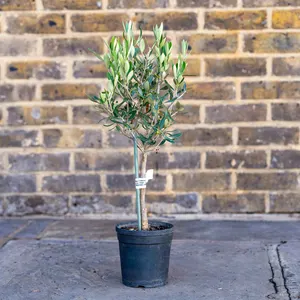
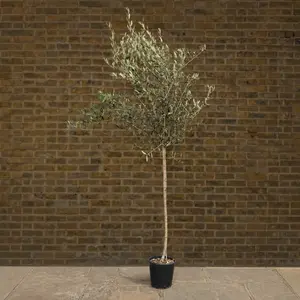
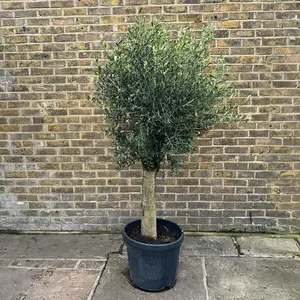
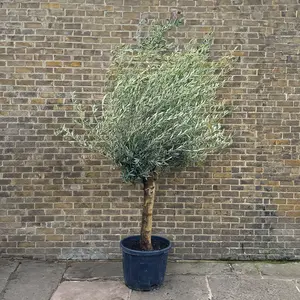
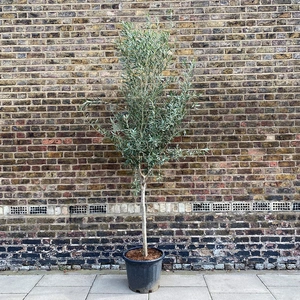
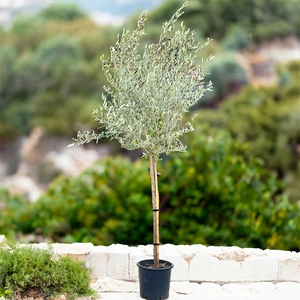
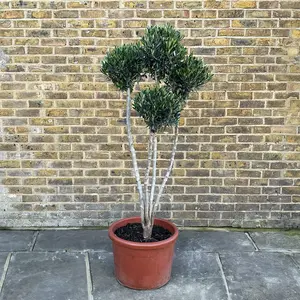
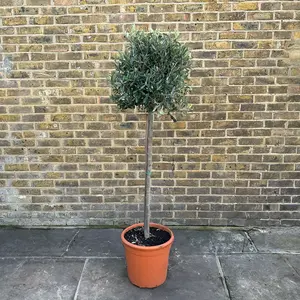
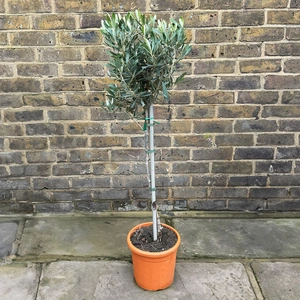
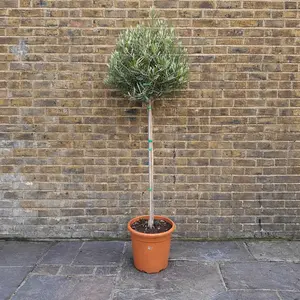
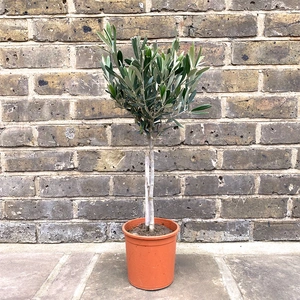
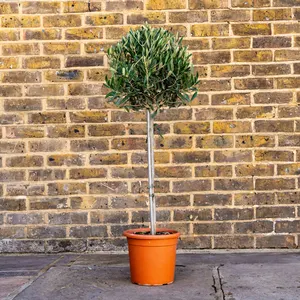
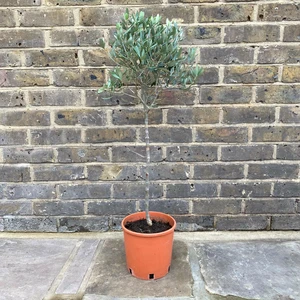
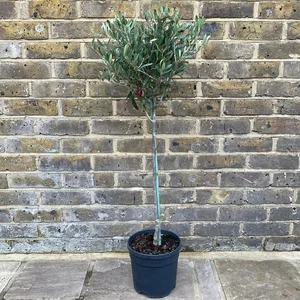
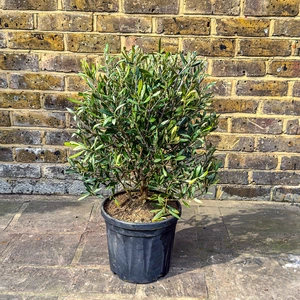
Boma's outdoor olive trees collection features high quality olive trees sourced from specialist growers for instant impact in London gardens, patios, and terraces. Our range includes Olea europaea — the European olive — in standard tree and lollipop forms, multi-stem specimens for a more informal, naturalistic look, and large olive trees in the 250–350cm range that create an immediate focal point in borders or as a statement tree in a large container. Potted olive trees in smaller sizes are ideal for balconies, roof terraces, and compact outdoor spaces. All trees are hand selected olive trees chosen for well-shaped canopies, good trunk character, and the silvery-green foliage that delivers Mediterranean charm to any outdoor setting.
Olive trees grow best in full sun in a sunny spot with well-drained soil that replicates the free-draining conditions of their native Mediterranean Europe. Olea europaea is a hardy evergreen tree that can withstand temperatures down to around -10°C once established, making it suitable for UK gardens in most winters — though large olive trees in containers benefit from a sheltered position and protection during severe cold. Use soil-based compost (John Innes No. 3) for container olive trees, ensuring the pot has good drainage. Regular watering during warmer months is essential for young trees establishing root systems; once established, olive trees grow in a truly low maintenance, drought-tolerant way. Feed with a balanced liquid fertiliser every two weeks through the growing season for healthy growth and leaf colour.
Olive trees are among the oldest trees in cultivation — Olea europaea specimens in Mediterranean Europe are estimated to be over 2,000 years old, making them one of the most long-lived evergreen tree choices available. This longevity means large olive trees with characterful, gnarled trunks are natural sculptures that add year-round structure and Mediterranean charm to borders, terraces, and patios for decades. Potted olive trees provide a focal point on a balcony or step with minimal upkeep and occasional feeding. Prune olive trees in late spring to early summer to maintain shape and remove any crossing or damaged branches — this is the safest pruning window as the trees are actively growing. Olive trees are increasingly popular in UK gardens for their architectural quality, low maintenance needs, and the sustainability benefits of the oldest trees in cultivation.