


Skimmia Plants
Explore the splendour of Skimmia plants at Boma Garden Centre. Our exceptional range of Skimmia plants, renowned for their vibrant evergreen foliage and fragrant blossoms, are a must-have for any garden enthusiast. Ideal for adding a touch of elegance to your outdoor space, Skimmias thrive in UK climates, offering year-round interest and easy care.
From the classic Skimmia japonica 'Rubella' with its striking red buds to compact female plants laden with glossy red berries, our Kentish Town collection includes male, female, and hermaphrodite skimmia varieties for every garden size and position.
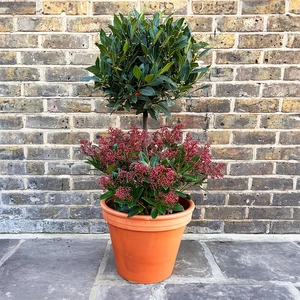
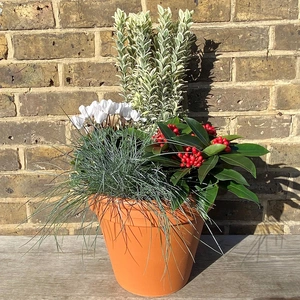
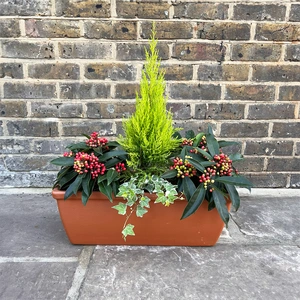
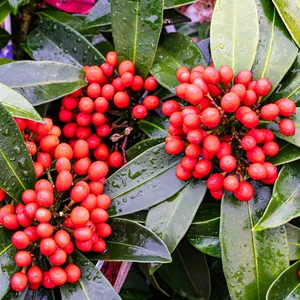
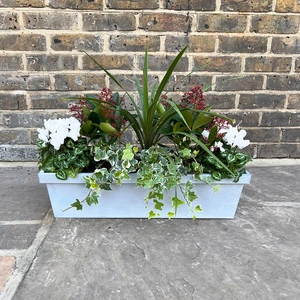
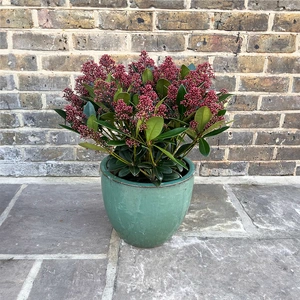
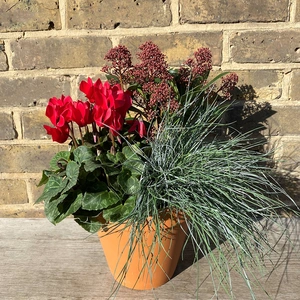
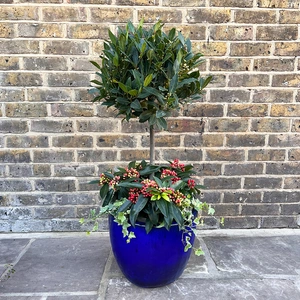
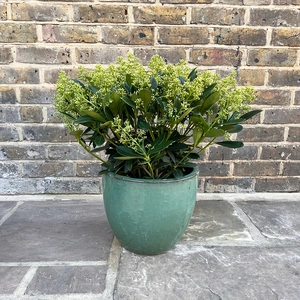
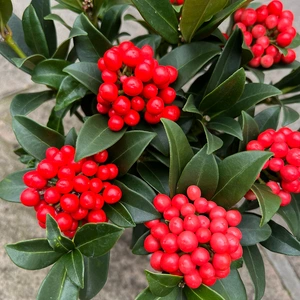
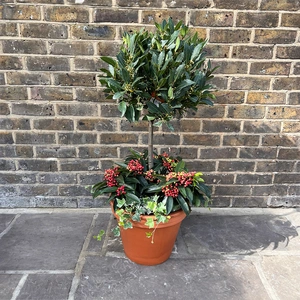
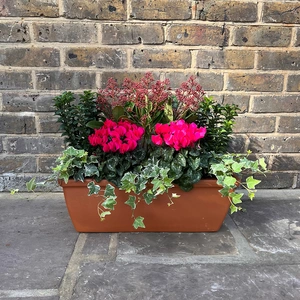
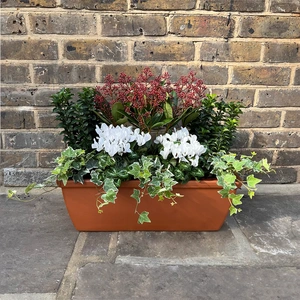
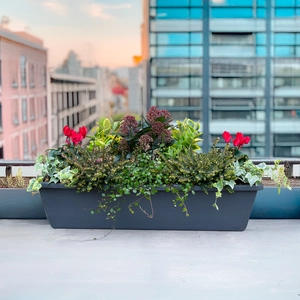
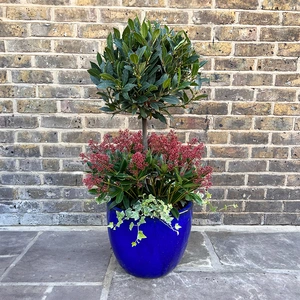
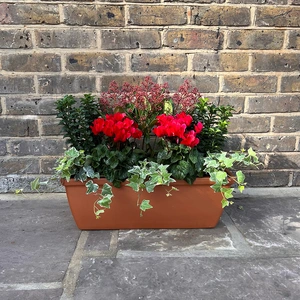
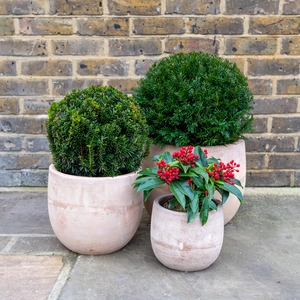
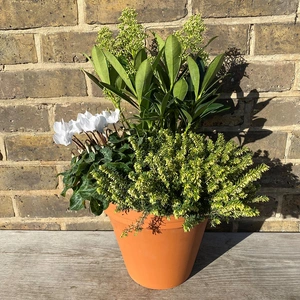
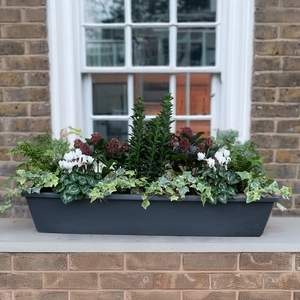
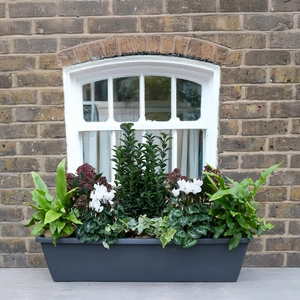
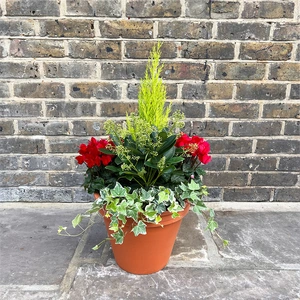
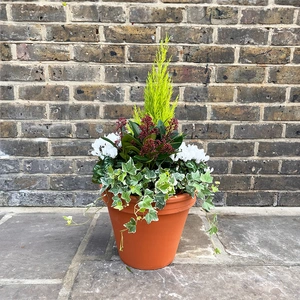
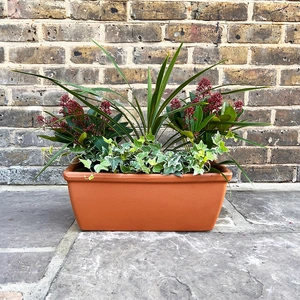
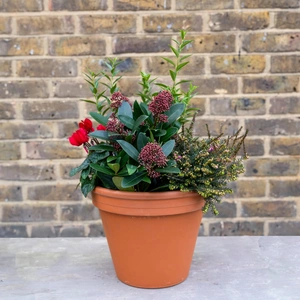
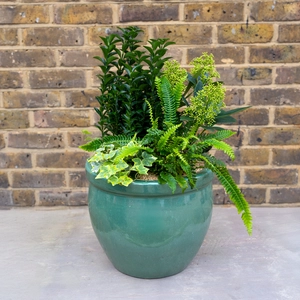
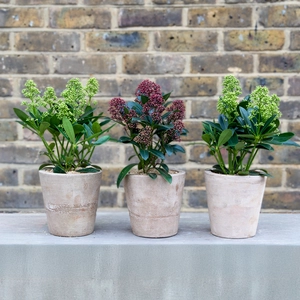
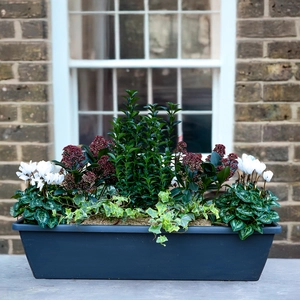
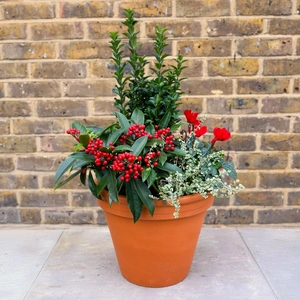
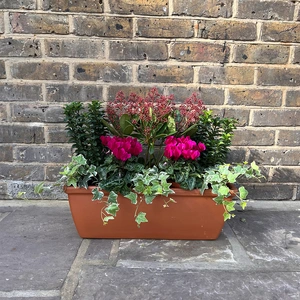
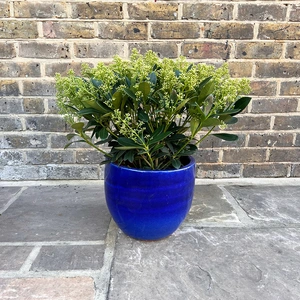
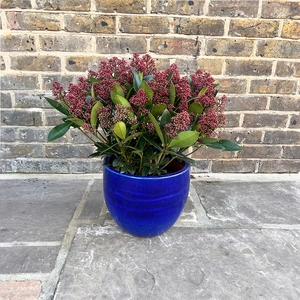
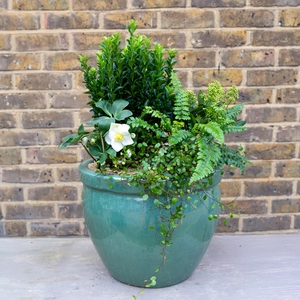
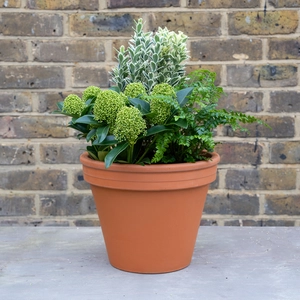
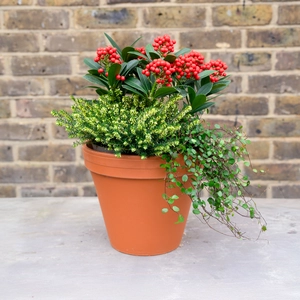
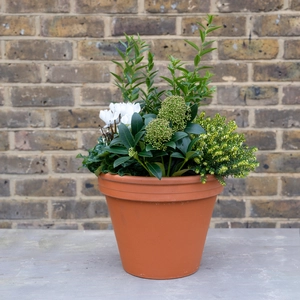
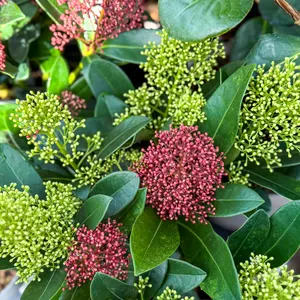
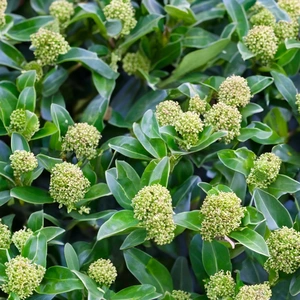
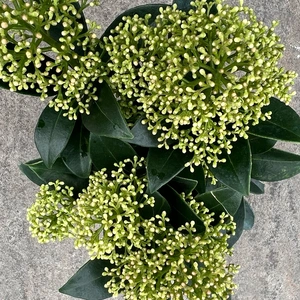
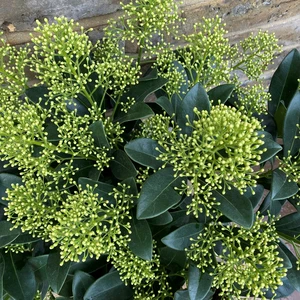
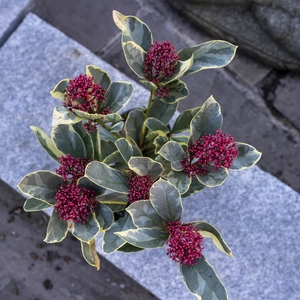
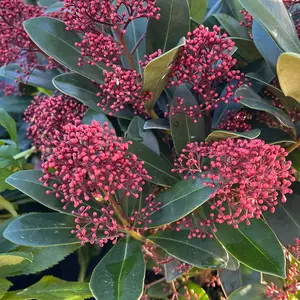
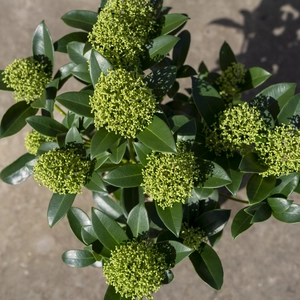
About Our Winter Skimmia Plants Collection
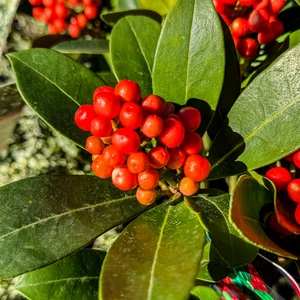
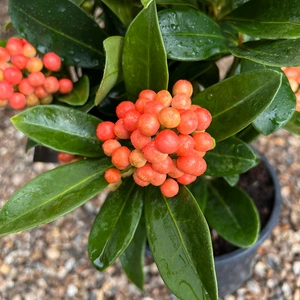
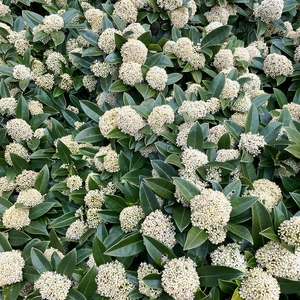
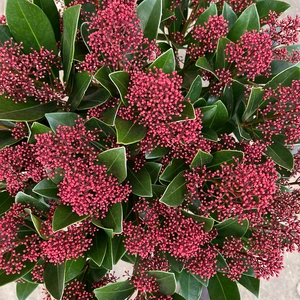
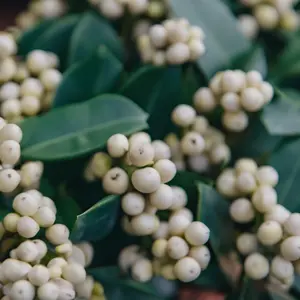
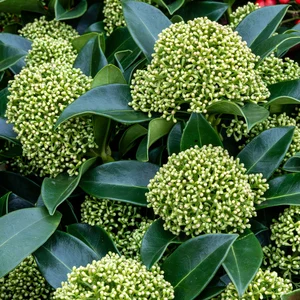
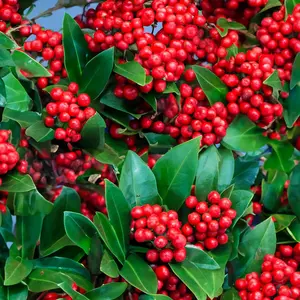
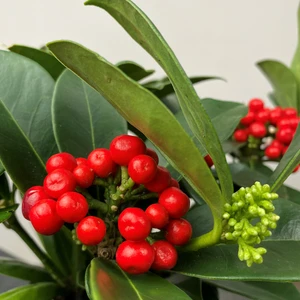
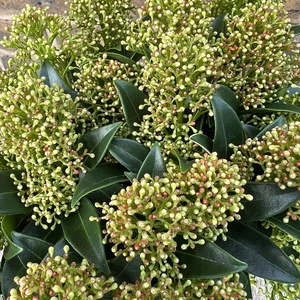
Our Skimmia plants collection at Boma spans male and female varieties chosen for year round interest through every season. Skimmia japonica 'Rubella' is among the most popular, prized for its clusters of red buds that persist through winter before opening as fragrant white flowers in early spring. Female plants such as Skimmia japonica fragrans and 'Veitchii' produce berries that remain on the plant from autumn through spring, offering year round interest for wildlife gardens and winter containers. All form naturally rounded shrubs with glossy dark green leaves that require minimal pruning to look their best.
Skimmia japonica plants thrive in partial shade to full shade with moist, well-drained soil enriched with ericaceous compost or composted bark — they perform poorly on alkaline soils and in full sun, which causes leaves to turn yellow. Avoid planting in very dry conditions; water regularly during dry spells and prolonged periods of dry weather, especially for young plants in their first growing season. Incorporate well-rotted manure or well-rotted garden compost around the planting area each spring, maintaining the acid pH that Skimmia japonica subsp requires. Minimal pruning is needed — simply remove damaged growth after flowering to keep the rounded shrubs tidy.
Skimmia plants are outstanding for winter containers and urban patio displays. Plant Skimmia japonica 'Rubella' as a bold male form in a prominent container, pairing it with female skimmias to ensure berries develop through autumn and winter. In full shade conditions on north-facing walls, Skimmia is one of few evergreen shrubs that genuinely thrives, making it invaluable for London courtyards and shaded woodland gardens. Note that horse chestnut scale can occasionally affect plants — treat promptly if spotted on stems during prolonged periods of warm weather.