


Hebe Plants (Shrubby Veronica)
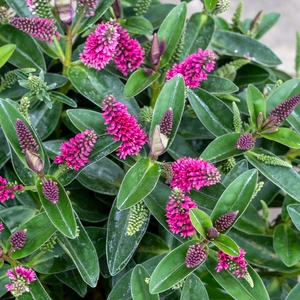
Hebe plants, with their diverse array of foliage and flower colours, offer something truly special for every UK garden. From deep greens and variegated leaves to vibrant purples, pinks, and whites of their flowers, Hebes provide year-round interest and colour. These versatile shrubs can be seamlessly integrated into various garden designs, serving as stunning focal points, border plants, or additions to rockeries and containers. Known botanically as Shrubby Veronica, Hebe shrubs range from compact, neat varieties suited to pots and rock gardens to larger, upright forms for borders — all offering excellent year round interest and pollinator value from summer through autumn.
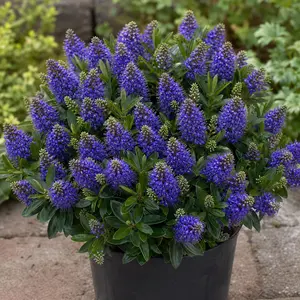
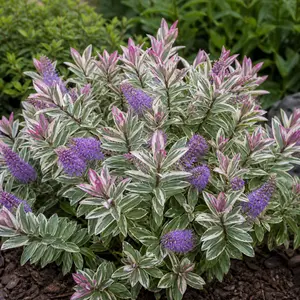
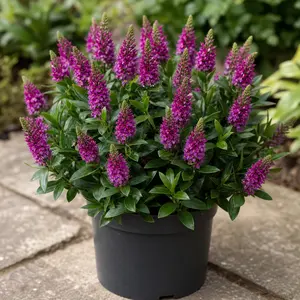
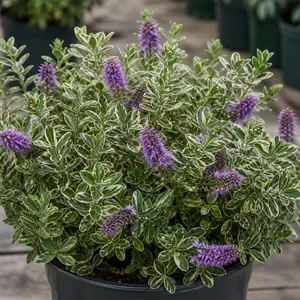
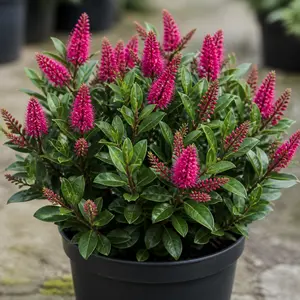
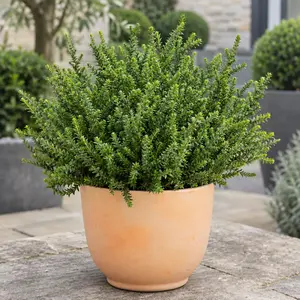
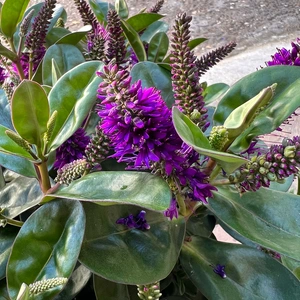
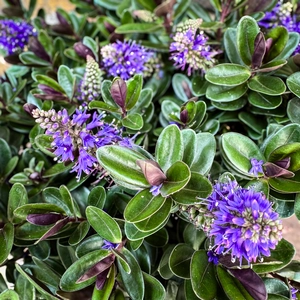
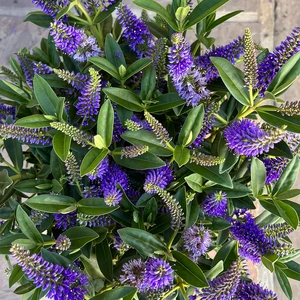
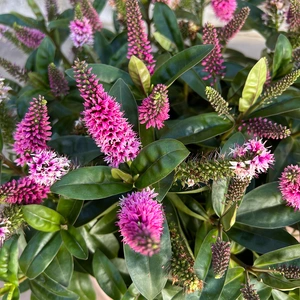
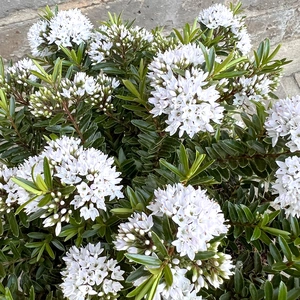
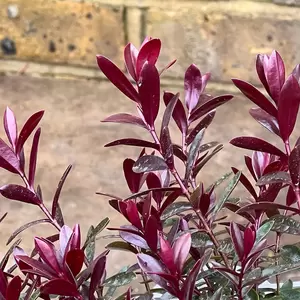
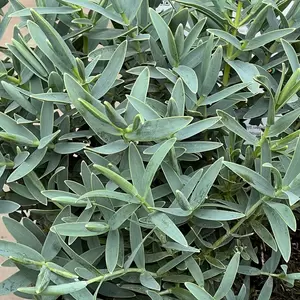
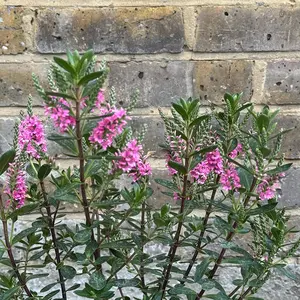
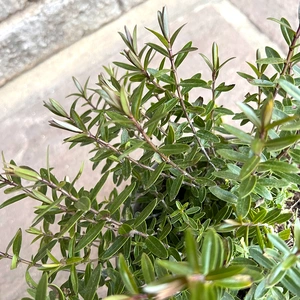
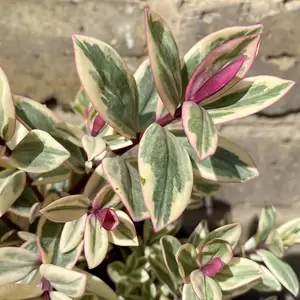
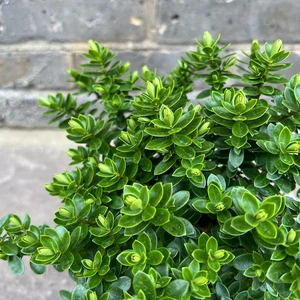
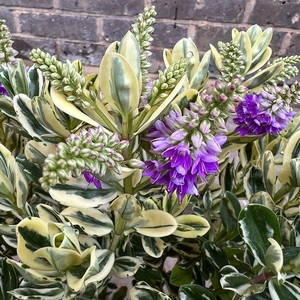
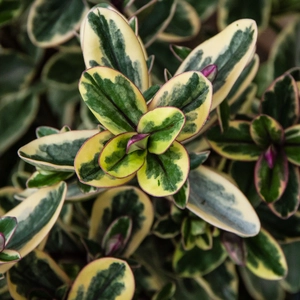
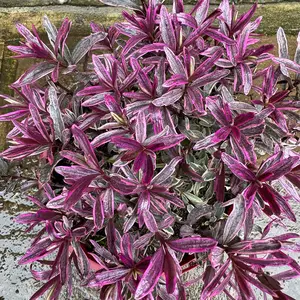
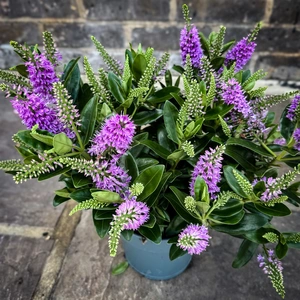
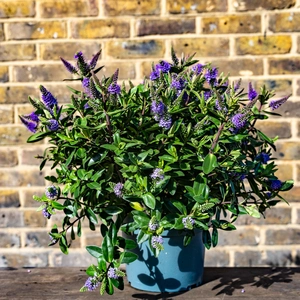
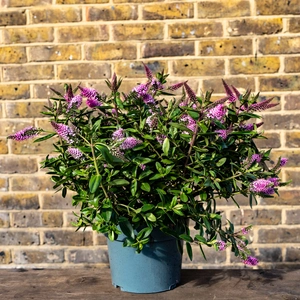
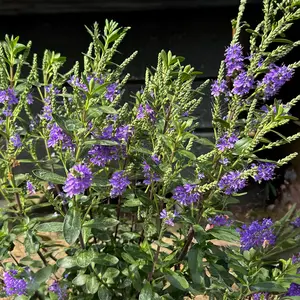
About Our Hebe Plants Collection
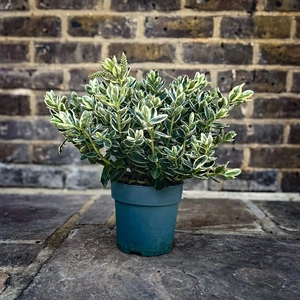
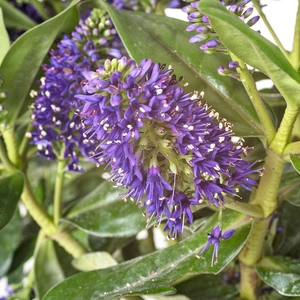
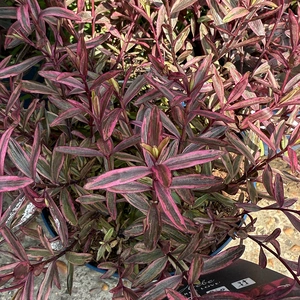
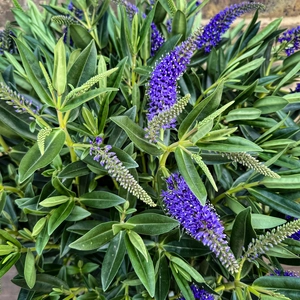
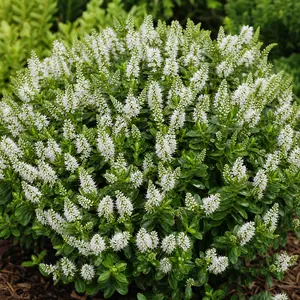
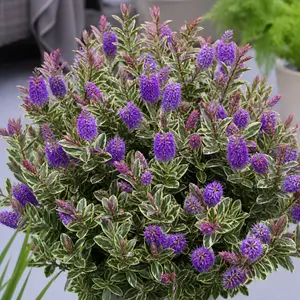
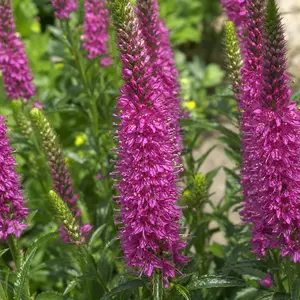
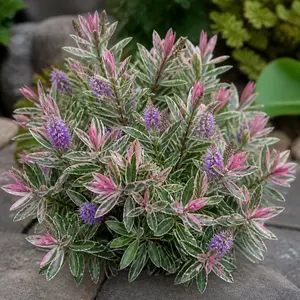
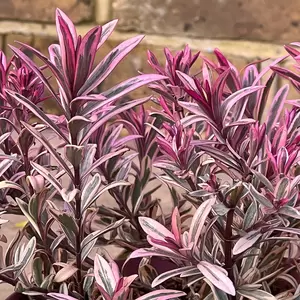
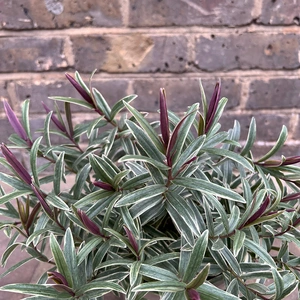
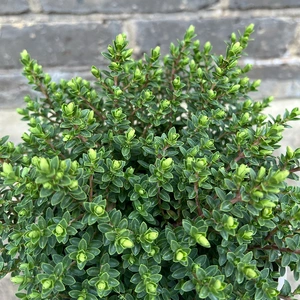
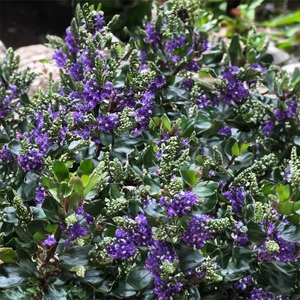
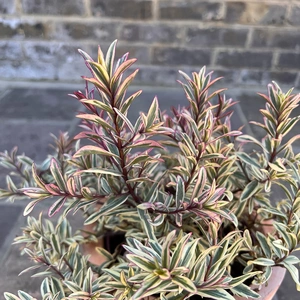
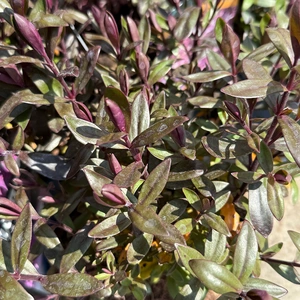
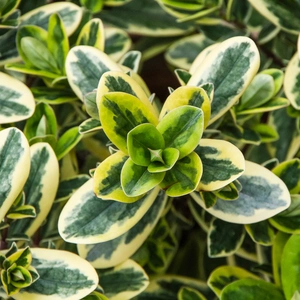
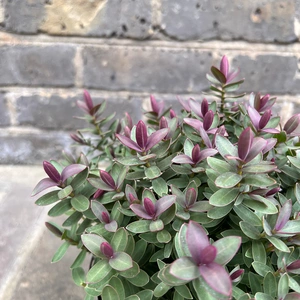
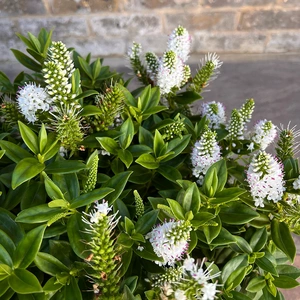
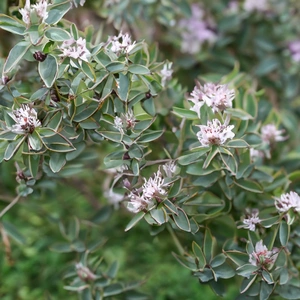
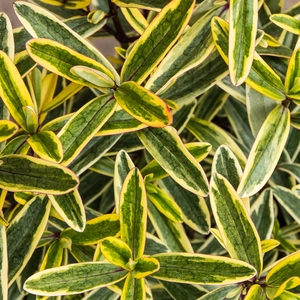
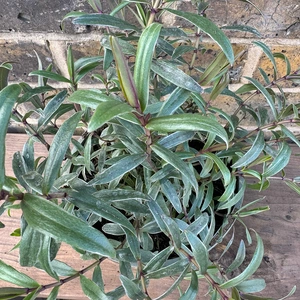
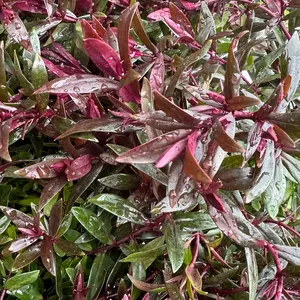
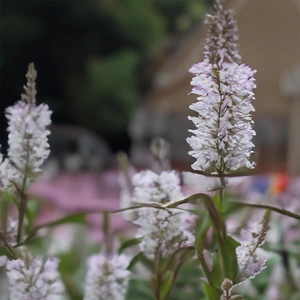
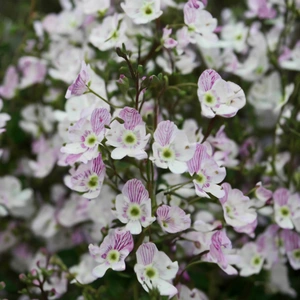
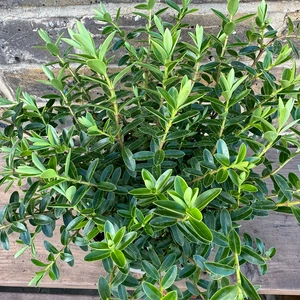
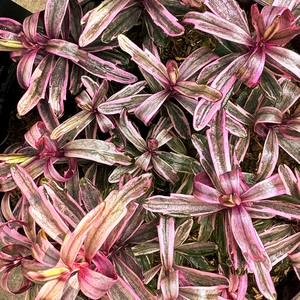
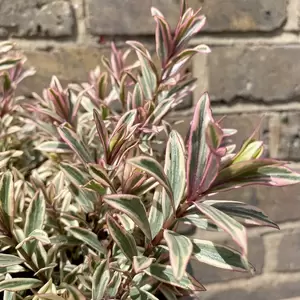
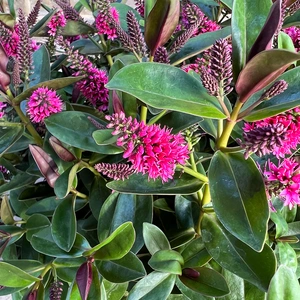
Our Hebe plants collection at Boma covers the full range of hebe shrubs available to UK gardeners — from the compact, sun loving Hebe 'Red Edge' with its distinctive red-margined leaves to the larger, more vigorous 'Mrs Winder' with rich plum-purple foliage and violet flower spikes. Hebe veronica varieties such as 'Heartbreaker' and 'Frozen Flame' offer variegated foliage with pink and cream tones, while 'Champagne' and 'Margaret' produce classic white and mauve flower spikes through summer and autumn. All are evergreen shrubs with a neat, compact habit, well suited to containers, sunny spots in borders, coastal gardens, and rockeries throughout the UK.
Most Hebe shrubs thrive in a sunny spot in well drained soil — wet soil and root rot are the primary causes of failure, particularly in heavy London clay. Compact varieties are ideal sun loving plants for free-draining containers and raised beds on exposed terraces. Larger hebe shrubs such as 'Midsummer Beauty' and 'Great Orme' suit open borders in full sun to partial shade. Most hebes are frost hardy, though in severe winters very large-leaved forms may need some protection. Hard pruning in early spring after a harsh winter encourages hebes to resprout vigorously from the base — most hebe veronica varieties respond well to trimming to maintain a neat, compact shape and fresh new growth.
Hebe shrubs are outstanding value for pollinator gardens, producing abundant flower spikes that attract bees and other pollinators from midsummer through autumn. Their compact, neat growth habit makes them ideal for the front of borders, low hedging, and container planting on patios and terraces. In containers, use a free-draining loam-based compost and ensure drainage holes are unobstructed — overwintering in containers is straightforward in most UK gardens. Take cuttings in late summer to propagate new plants easily and build up a collection of different hebe varieties through the season.