


Outdoor Bay Trees
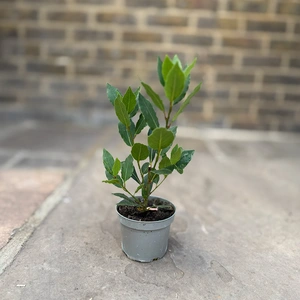
Boma Garden Centre proudly presents the Laurus nobilis bay tree, available in distinct lollipop, spiral stem, and pyramid shapes, spanning quarter, half, and three-quarter standard sizes. Classic bay trees from Boma bring elegance and practicality to North London gardens — flanking the entrance of a Hampstead townhouse or adding green structure to a Camden terrace. Our expert staff help local gardeners select striking topiary shapes and resilient evergreens that flourish in London's clay soils and compact urban spaces. Whether you're looking for premium bay trees to frame your front door, a pair of standard bay trees for a formal patio, or aromatic leaves for year-round cooking, visit Boma in Kentish Town for specialist advice.
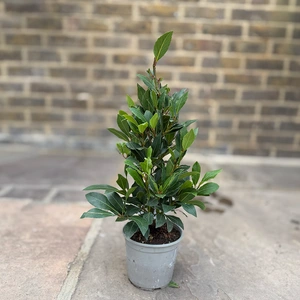
About Our Outdoor Bay Trees
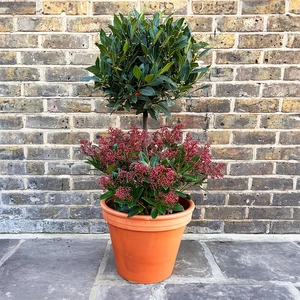
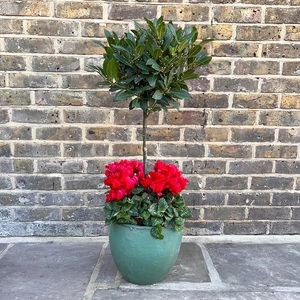
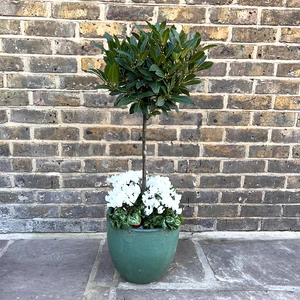
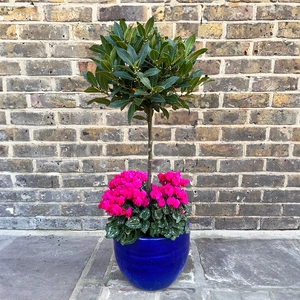
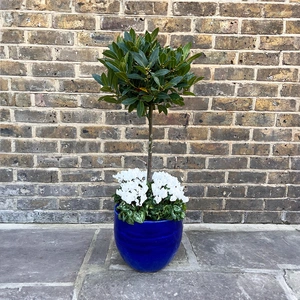
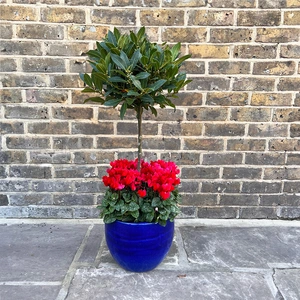
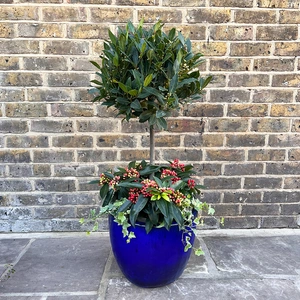
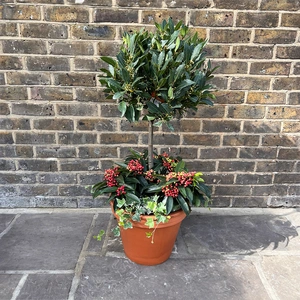
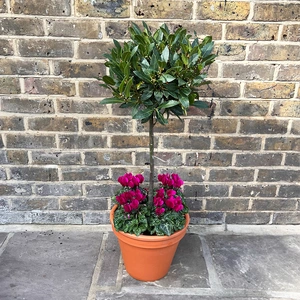
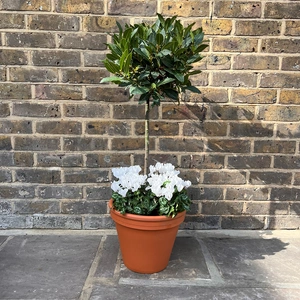
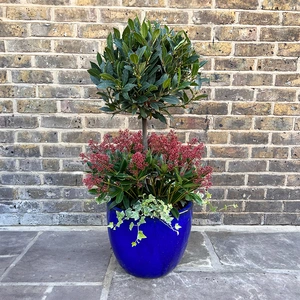
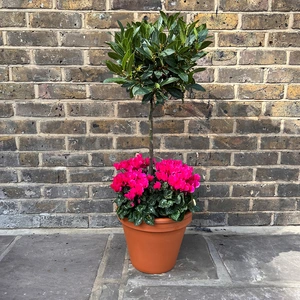
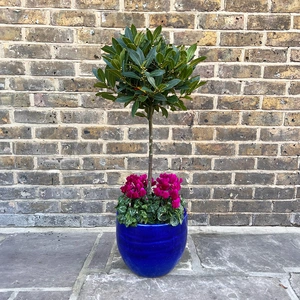
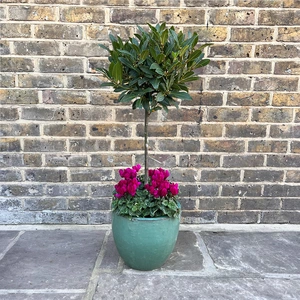
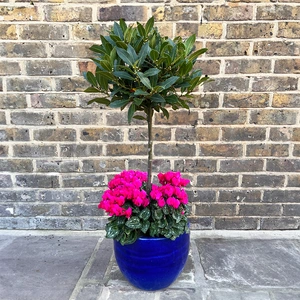
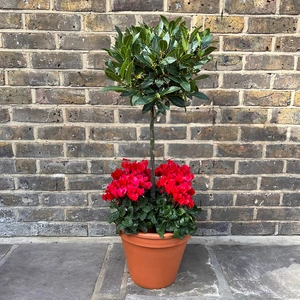
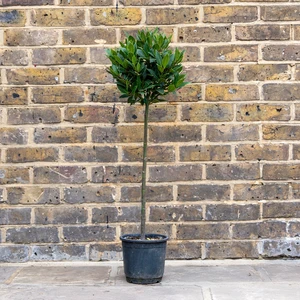
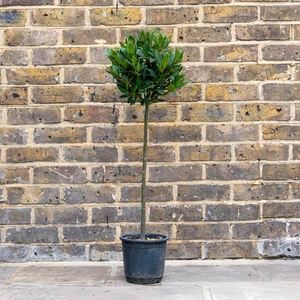
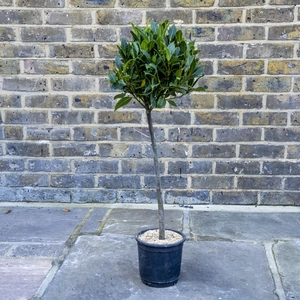
Our outdoor bay trees cover Laurus nobilis — also known as sweet bay or bay laurel — in the classic topiary shapes most suited to formal and contemporary garden design. The lollipop standard features a spherical head of dense dark green foliage on a clear stem; the spiral stem adds an architectural, ornamental twist; and the pyramid form provides clean, structured height. Standard bay trees are available in quarter, half, and three-quarter standard sizes, giving flexibility from compact pot specimens on a doorstep through to large floor-standing statement pieces flanking entrances and garden paths. All premium bay trees from Boma are selected for dense, even shape and well-established root systems.
Bay tree Laurus nobilis is a popular evergreen shrub that thrives in full sun or partial shade in well-drained soil or well-drained compost. Plant bay trees in a sheltered spot — Laurus nobilis is generally hardy to around -5°C but dark green foliage can be damaged by hard frosts and cold, drying winds. In containers, grow bay trees in well-drained compost with fresh compost worked in annually. Provide regular watering during warmer months, particularly in the first growing season; reduce watering in winter when the tree is dormant. Bay trees grow slowly — their slow growing habit means the topiary shape remains sharp for longer between clips. Prune two to three times per year using sharp secateurs or shears to maintain form.
Bay trees are one of the most versatile plants in the London garden, providing year round greenery, topiary structure, and a practical supply of aromatic leaves for cooking throughout the year. Bay leaves — fresh or dried — are a cornerstone of French and Mediterranean cuisine, used in stocks, soups, sauces, and slow-cooked dishes. As container grown plants, standard bay trees are extremely popular for patios, terraces, and flanking front doors in formal pairs — their dark green foliage and clean topiary form complement both period and contemporary architecture. Low maintenance once established, outdoor bay trees require only two to three clips per year and occasional liquid feeding to keep their premium bay trees appearance season after season.