

Five Jobs That Actually Matter in September
- Aerate and feed the lawn while it can still recover. Spike or hollow-tine aerate compacted areas, top-dress with compost, and overseed bare patches. September's combination of warmth and rain is the best lawn-establishment window of the year — leave it until October and grass seed struggles to get going before the cold sets in.
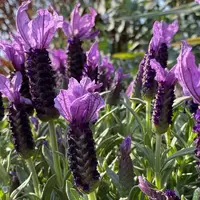
- Cut back perennials that have finished flowering. Lavender, salvia and gaura all benefit from a tidy-up once they're past their best, keeping growth compact and encouraging a stronger show next spring. Hold off on anything borderline hardy until after the first proper frost.
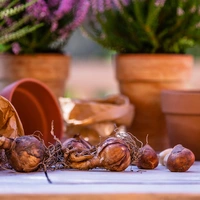
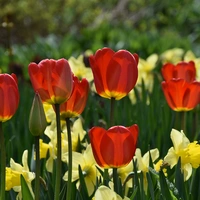
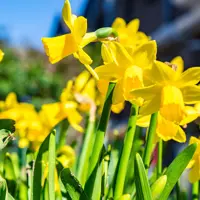
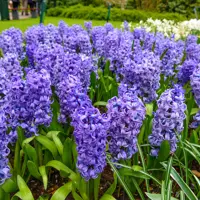
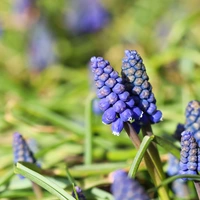
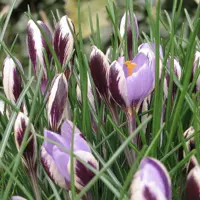
- Get spring bulbs in the ground. Daffodils, tulips, alliums, crocus and muscari all go in from September onwards — daffodils in particular do best planted early, while there's still some warmth left in the soil.
- Bring tender plants and summering houseplants back indoors. Anything that spent the summer outside — citrus, tender salvias, most houseplants that had a season on the balcony — should come in once nights start dropping towards 10°C, rather than waiting for the first cold snap to catch you out.
- Start mulching as beds are cleared. A layer of compost or bark around shrubs, perennials and anything newly planted locks in the last of summer's moisture and gets a head start on winter protection.
Watering and Care by Space
| Garden Type | What Changes in September | Main Risk | Tip |
|---|---|---|---|
| Established borders & beds | Rainfall starts doing more of the work | Waterlogging where drainage is poor, especially in London clay | Hold off on heavy top-dressing until beds have properly dried out after rain |
| Patios & courtyard containers | Watering frequency drops, but check pots in a rain shadow | Pots against a south-facing wall can still dry out fast on a warm day | Move anything that will need winter shelter now, while the weather makes it easy |
| Roof terraces & balconies | Wind still pulls moisture even as temperatures fall | Newly planted bulbs and bedding drying out before roots establish | Water new plantings in well, then let rainfall take over |
| Window boxes & hanging baskets | Summer displays fading and due a refresh | Reusing tired, nutrient-spent summer compost | Replace with fresh compost when you plant up for autumn rather than topping up the old mix |
What to Plant in September
Spring-Flowering Bulbs
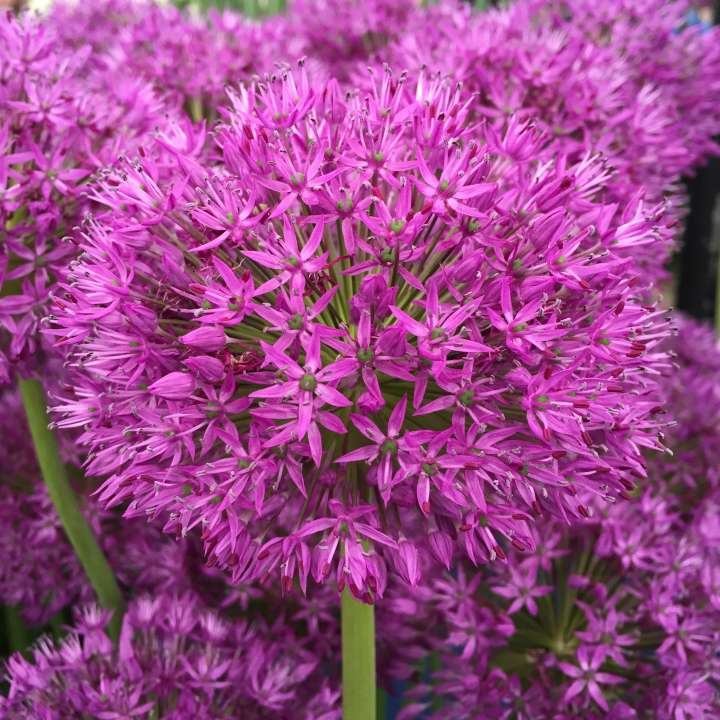
September is prime time for getting spring-flowering bulbs like daffodils, tulips, muscari, alliums and crocuses into the ground. These need the winter chill to flower well in spring, so planting now sets up next year's display.
For a layered spring show, try lasagna planting: several layers of bulbs in one pot, timed to flower in sequence. Boma's range of garden pots — glazed, aged and antique terracotta, polystone and fibreclay — all suit the technique well, and zinc or terracotta window boxes work just as well for a windowsill display. Mix in some bulb fibre compost for the best start.
Autumn Bedding: Viola and Cyclamen
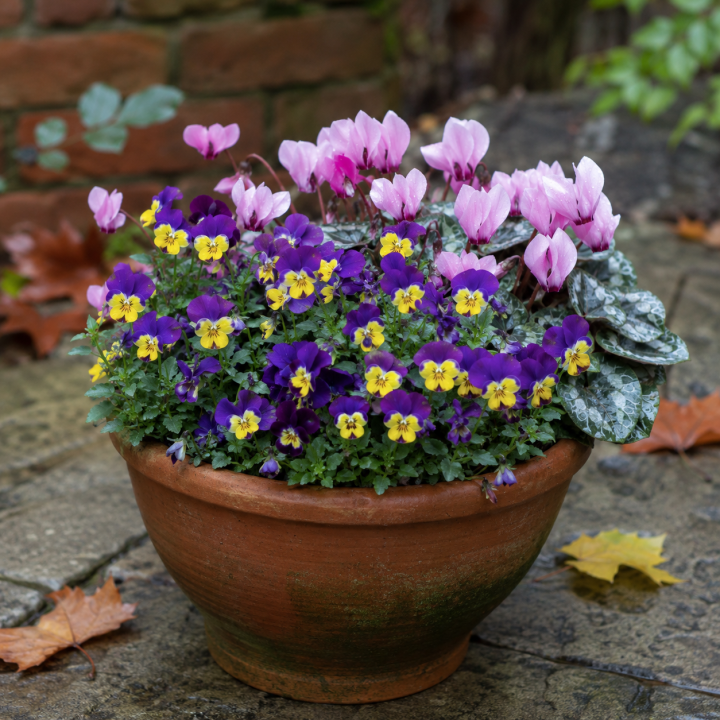
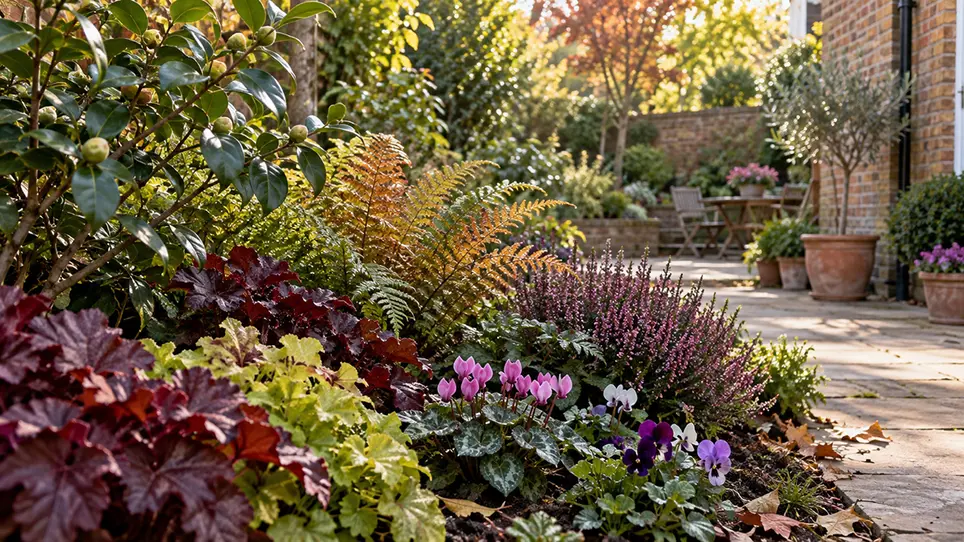
As summer bedding fades, viola and cyclamen are the reliable September refresh. Both thrive in cooler temperatures — viola in borders, rockeries and window boxes, cyclamen in shadier spots, with their delicate flowers working equally well brought indoors to brighten a hallway or windowsill through autumn.
Evergreen Shrubs, Perennials and Grasses
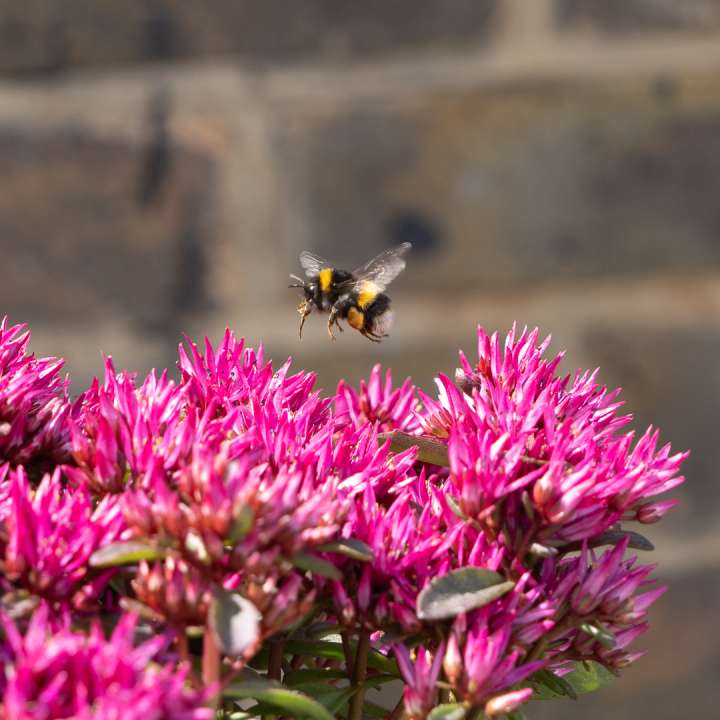
September is a good moment to add structure with evergreen shrubs like Hebe and Heuchera, paired with autumn-flowering perennials such as Asters and Sedum, both of which hold colour and feed pollinators late in the season. Ornamental grasses and ferns add texture through the transition. Planted now, all of these establish well before winter and are ready to perform from spring.
See the full ranges of evergreens, shrubs, ferns and grasses online.
Protecting Your Garden for Winter
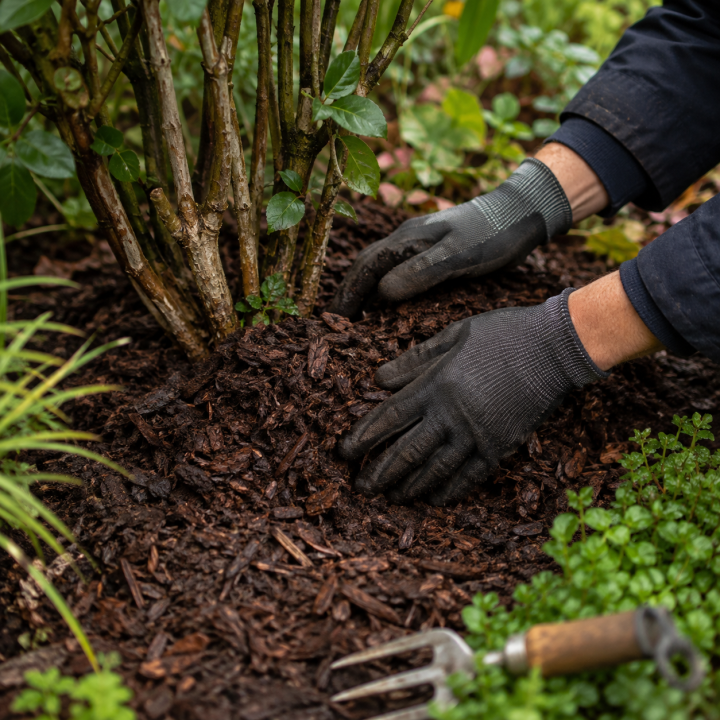
As the weather cools further, a thick layer of mulch around the base of shrubs, perennials and trees insulates the soil, retains moisture and suppresses weeds — particularly important for anything newly planted this autumn. Compost, bark or leaf mould all work, and enrich the soil further as they break down.
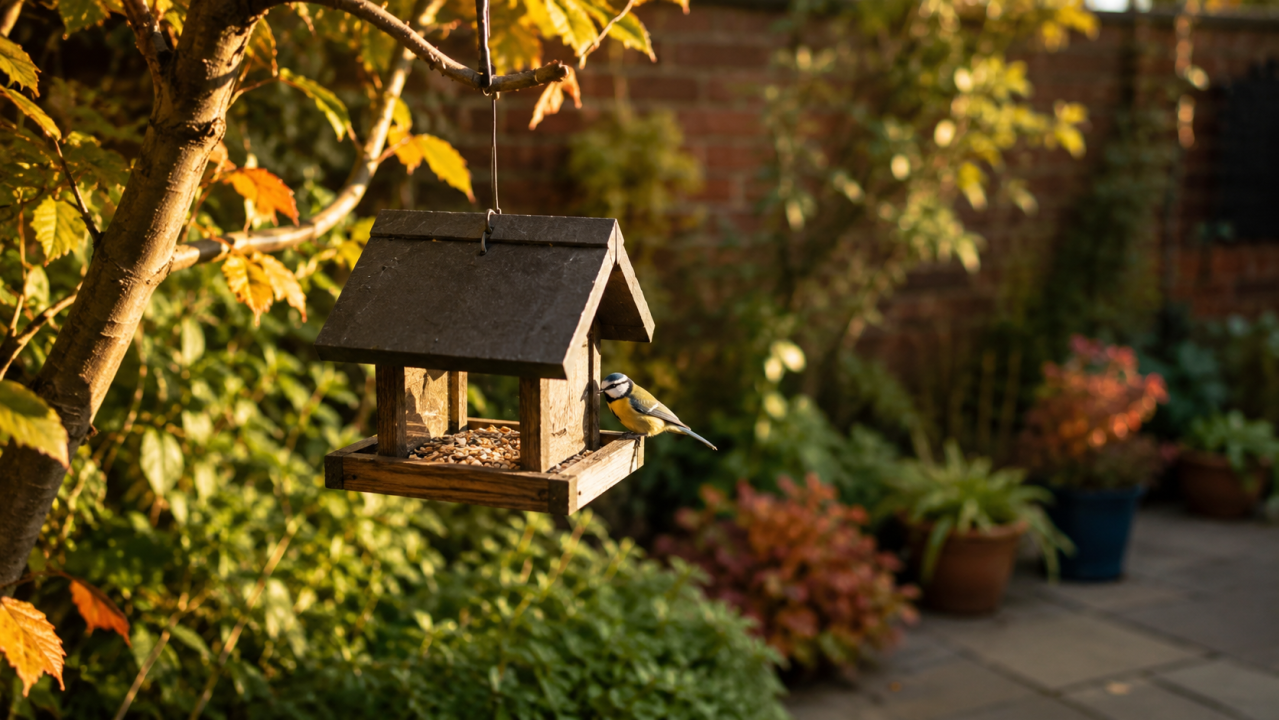
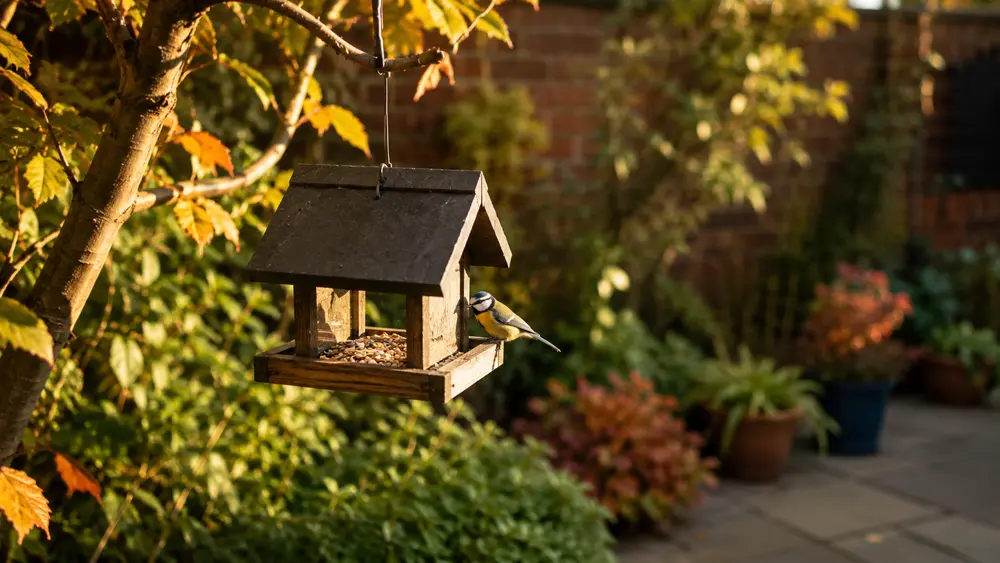
It's also worth setting up bird feeders and a birdhouse or two now, as natural food sources for garden birds start to thin out. A consistent food source through autumn and winter makes a real difference to local bird populations, and Boma stocks a range of feeders and feed to suit.
September Plant Picks by Type of Space
| Space | Recommended Plants | Why It Works | Light |
|---|---|---|---|
| Window box / small balcony | Viola, dwarf cyclamen, dwarf daffodil bulbs | Compact habit, colour through autumn into spring | Sun to part shade |
| North-facing courtyard | Cyclamen, ferns, Hebe | All tolerate shade while holding structure and colour | Shade to part shade |
| Roof terrace (exposed) | Sedum, ornamental grasses, Asters | Wind-tolerant, late-season colour, good for pollinators | Full sun |
| Victorian terrace back garden | Alliums and tulips layered under Heuchera, evergreen shrubs | Structure now, spring bulbs coming through in a few months | Sun to part shade |
| Mature border / established garden | Asters, Sedum, ornamental grasses, naturalised spring bulbs | Extends interest into autumn and sets up next spring | Sun to part shade |
A Short Note on Houseplants

With natural light fading, any houseplant that spent summer outdoors should be back inside before nights turn cold. Growth slows for most houseplants from here, so ease off watering and let the top of the compost dry out between waterings. Lower-light varieties such as the ZZ plant, snake plant and pothos are worth considering for spots that get less bright over autumn. Full detail on positioning and care by species is outside the scope of this article — the team in store are happy to advise on individual plants.
Frequently Asked Questions
Is It Too Late to Sow Grass Seed in September?
No — September is one of the best months for it. Warm soil combined with reliable rainfall gives seed the fastest, most even establishment of the year, well ahead of an October sowing.
When Should I Plant Spring Bulbs for the Best Display?
From September onwards, with daffodils best planted early while the soil still holds some warmth. Tulips can go in slightly later, from October into November, which also reduces the risk of tulip fire disease.
Do I Need to Protect Plants From Frost in September?
Not yet for most plants, but it's worth acting before the first frost catches you out. Bring in tender plants and summering houseplants once nights start dropping towards 10°C, and mulch anything newly planted to protect the roots.
How Do I Know When to Bring My Houseplants Back Indoors?
As a rule, once overnight temperatures fall towards 10°C. Most houseplants that summered outside are tropical or subtropical in origin and don't tolerate cold nights well, even if daytime temperatures still feel mild.
Can Boma Help With an Autumn Refresh for Containers or a Border?
Yes. Our Courtyard & Roof Terrace Container Planting service and Garden Planting Service both cover autumn refreshes and bulb planting for existing beds and containers — the team can advise on-site or remotely.
September is a good time to visit Boma Garden Centre at 51–53 Islip Street, Kentish Town, London NW5 2DL. Our team can help identify what's thriving, what needs cutting back, and what to plant now for a stronger spring — from bulbs and autumn bedding to compost, feeds and mulch. We deliver across all M25 postcodes.
Visit Us Order For Delivery Book A Consultation