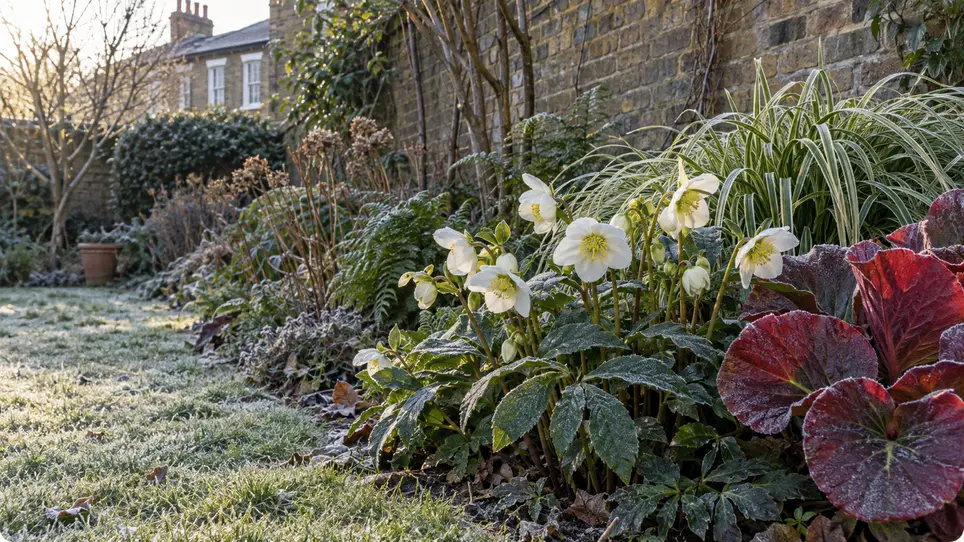


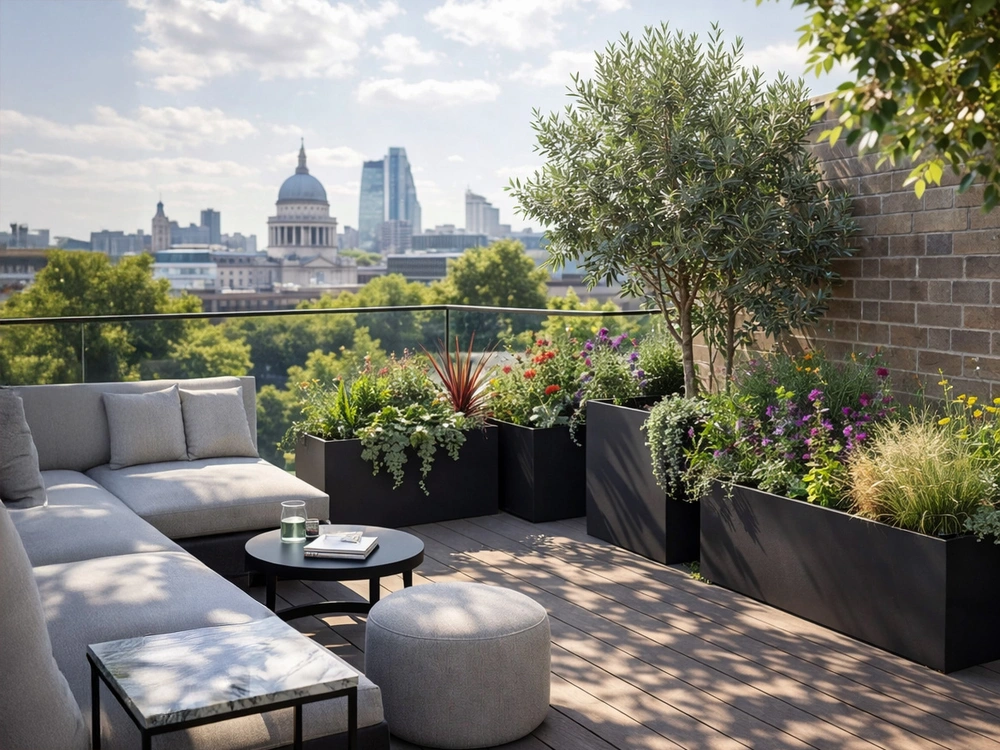
In London, or any urban city, gardening often starts with a constraint: a balcony barely wide enough for a chair, a shaded basement light‑well, or a tiny patch of paving by the front door. Yet with the right plants, pots, and layout, these overlooked corners can become lush balconies, micro‑jungles, productive veg patches, and wildlife‑friendly sanctuaries that feel worlds away from the city streets.
This guide acts as the starting point in Boma’s urban gardening series, introducing the key challenges and opportunities across balconies, rooftops, courtyards, compact back gardens, and front steps.
When you recognise your own space and its constraints, Boma’s planting team can plan and implement a tailored scheme for you—from ready‑made planters to full, bespoke planting projects across London.
Boma’s Urban Gardening Series
Boma’s best gardening tips for urban environments weave together balcony planting, shaded courtyards, compact back gardens, front‑step kerb appeal, and even heavy London clay, showing how every city space can be turned into a green retreat.
Think of this as your overview map of different urban spaces, with each section offering a few key tips, ahead of our upcoming deeper articles to each urban environment type that explore specific situations in more detail.
Alongside this series of articles, Boma’s planting services turn these ideas into site‑specific schemes—designing larger bespoke troughs, tailored planting layouts, and complete projects that take care of labour, planning, plant choice, and ongoing practicality. We don’t just supply plants and pots.
If you’re living in London, and need support with planting or gardening across any of these urban environments, contact us or pop in. We’d love to help you make the most of your space!
Boma’s Best Gardening Tips For Urban Environments
Our top gardening tips for urban environments weave together balcony planting, shaded courtyards, compact back gardens, front‑step kerb appeal, and even heavy London clay, showing how every city space can be turned into a green retreat.
Balcony and rooftop gardening
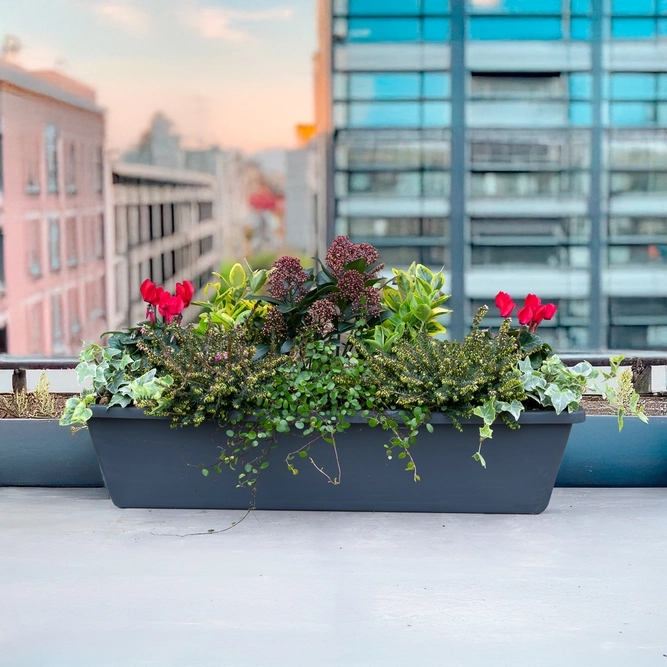
Balcony and rooftop gardens need a careful balance of weight, wind protection, and plant resilience, especially in exposed London locations. Lightweight planters like fibreclay, polystone and recycled plastic troughs keep structures safe while still allowing generous planting on high-rise terraces and compact balconies; or try a stunning premade Moorland Edge Planter for dazzling railing displays.
To make the most of limited floor space on balconies, vertical elements are essential: trellises, railing troughs, wall-mounted pots, and living walls all help create a layered, immersive feel above street level. Sun-baked balconies suit drought‑tolerant plants such as succulents, pelargoniums, lavender, rosemary, and Mediterranean herbs, while shadier aspects are ideal for ferns, bamboo in pots, and lush evergreens like fatsia.
For year‑round interest, combine evergreen structure with long‑flowering perennials and seasonal bedding, mixing star jasmine and compact roses with hydrangea, salvia, clematis, cyclamen, and summer bedding like petunias and geraniums. Practical touches such as self‑watering planters, drip irrigation, saucers, and capillary mats make city balcony gardening easier to maintain for busy Londoners juggling work and travel.
Small urban back gardens
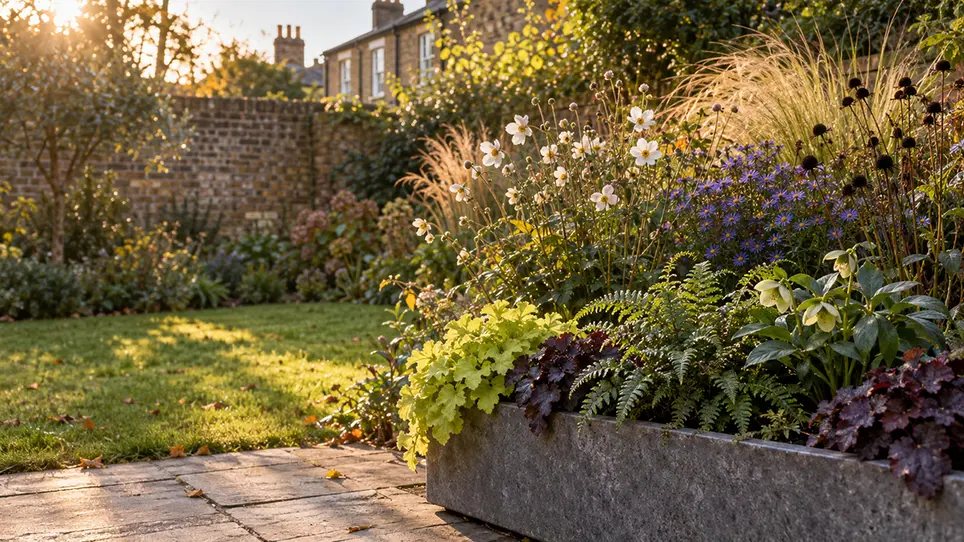
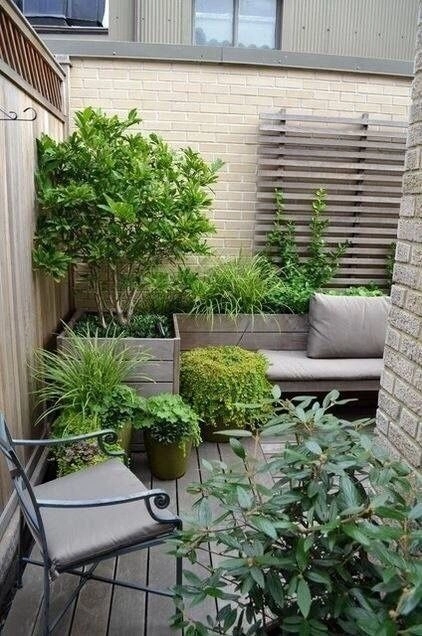
Small urban garden designs in North London terraces and townhouses require clear structure, smart zoning, and a planting layout that works hard from every angle. Paths, small lawns or gravel areas, and compact patios can all be arranged to pull the eye through the space, using diagonal sightlines, curved borders, or generous corner planting to make gardens feel larger than their footprint.
Layered planting is key: low groundcovers and seasonal bedding at the front, mid‑height perennials and grasses in the middle, and taller shrubs or small trees at the back create rhythm and privacy without overwhelming tight boundaries.
When you choose plants for your own garden, it’s important to select plants that suit the specific conditions of your space, such as sunlight, soil type, and available room, to ensure healthy growth and a thriving garden. Boma’s emphasis on curated combinations of flowering perennials, shrubs, grasses, and evergreens makes it easier to build schemes that look considered from kitchen windows, first‑floor bedrooms, and neighbouring properties alike.
Multi‑functional features also matter in small city gardens: storage benches, slimline raised beds, container groupings, and climbers on fences all help these spaces serve as both outdoor rooms and wildlife‑friendly planting pockets. Utilising companion planting can enhance plant health and naturally deter pests, while choosing tough but elegant plants that can cope with London’s clay‑influenced soils, reflected heat, and irregular watering ensures the garden stays resilient from July heatwaves to autumn downpours.
Courtyard and light‑well spaces
Shaded, enclosed courtyards and basement light‑wells in areas such as Camden, Hampstead or Belsize Park often feel gloomy, yet their very enclosure makes them perfect for intimate, sanctuary-like planting schemes. Pale paving, painted walls, and carefully placed mirrors bounce every scrap of available light back into the space, while uplighters under foliage create a dramatic glow on winter evenings.
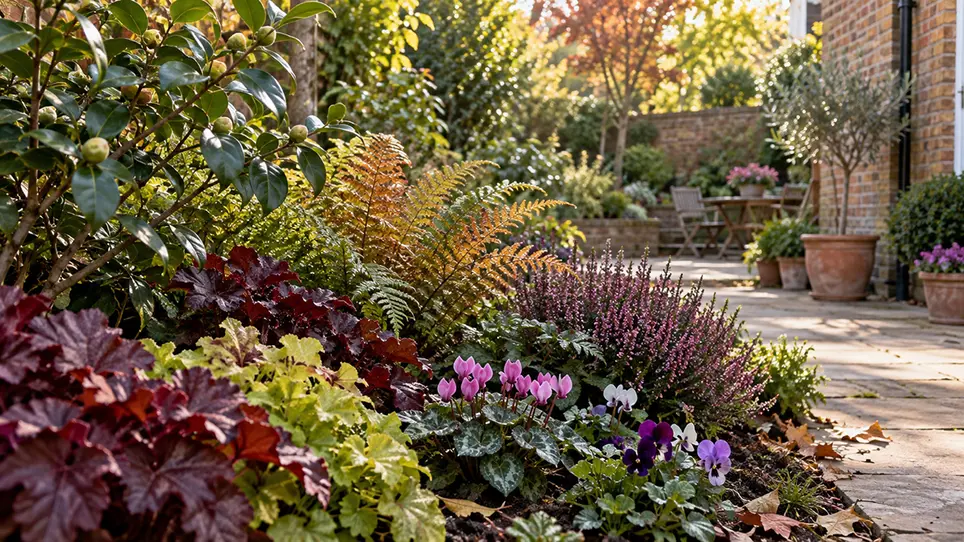
Designing micro‑jungles in these areas is all about texture and foliage: ferns, hostas, heucheras, hydrangeas, and shade‑loving evergreens can be layered in staggered planters, tiered shelves, and wall pockets to build depth without needing much soil surface. Moist, humus‑rich composts improved with organic mulch help these plants thrive even where the underlying London clay is heavy, as long as drainage prevents winter waterlogging. Maintaining soil health is essential in these urban spaces—regularly aerating the soil helps prevent soil compaction, which can restrict root growth and limit oxygen reaching the root zone.
Using a moisture meter allows you to accurately assess soil moisture, helping to avoid overwatering or underwatering and supporting healthy root development. Additionally, regular soil testing is crucial for monitoring pH levels and nutrient availability, ensuring your plants have the best possible conditions to grow.
Indoor apartment gardening
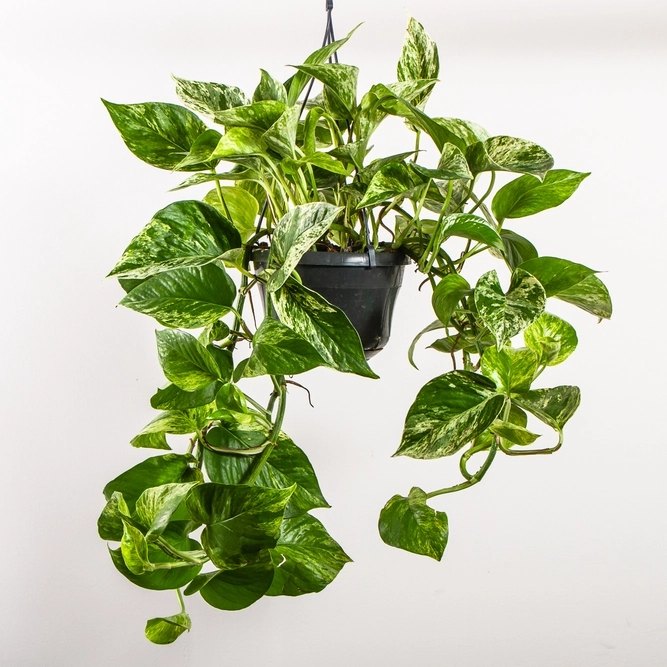
Gardening in an apartment extends the feeling of greenery beyond doors onto window sills, shelves, and corners in flats from Highgate to Finchley. Good light assessment comes first: south- and west-facing windows can host sun‑lovers such as succulents and cacti, while a sunny windowsill is a prime spot for growing plants like herbs and other edible varieties. East- and north-facing rooms suit shade‑tolerant foliage plants, ferns, and air‑purifying species.
Vertical plant stands, indoor hanging plants and pots, and wall‑mounted troughs allow London renters to build indoor “plant stories” without sacrificing precious floor space. Using decorative indoor pots with hidden plastic liners, self‑watering inserts, and the right peat‑free compost helps keep watering simple and protects wooden floors and sash windowsills.
Edible apartment gardening can be woven in with style: herb gardens are especially popular for small urban spaces due to their adaptability to limited space, and herbs like basil, thyme, parsley, mint, and chives are excellent choices for compact gardens. Herbs thrive in bright kitchens, while compact chillies, salad leaves in window boxes, and dwarf tomatoes in sunny spots give city cooks fresh harvests without a garden.
Choosing plants that can cope with fluctuating heating and occasional neglect is vital, making hardy indoor collections an excellent fit for busy urban lifestyles.
Street‑level front gardens
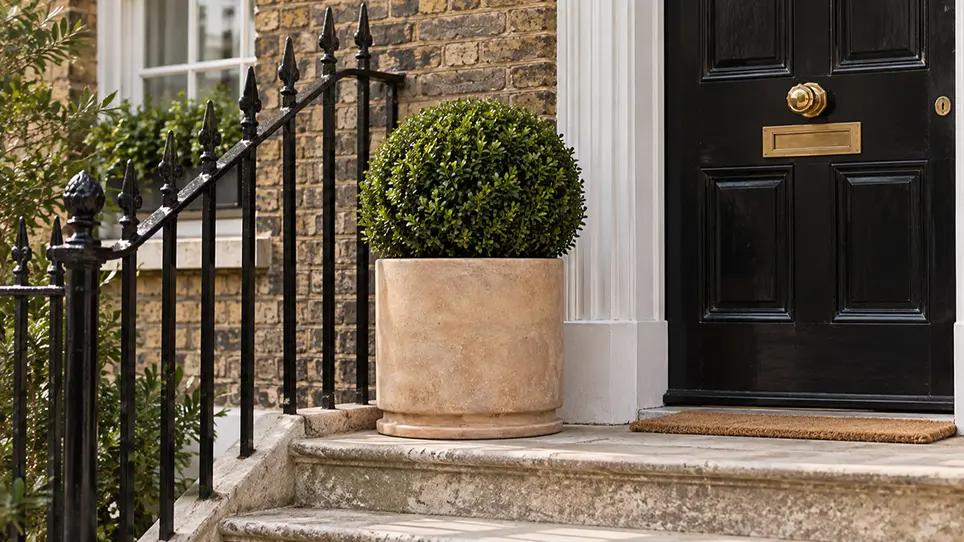
Street‑level front gardens in terraced and townhouse streets are often narrow, shaded by buildings, and exposed to traffic pollution and wind. Structural planting in pots and small borders, combined with climbers on railings, can quickly lift kerb appeal for homes in St John’s Wood, Muswell Hill or Central London.
For railings and window boxes, tough evergreens and resilient flowering plants work well: ivy, small conifers, heucheras, hardy geraniums, seasonal bulbs, and bedding can all cope with limited soil and occasional splashes from the pavement. Adopting a sustainable approach to pest management (such as using neem oil and introducing beneficial insects) helps protect these plants while supporting eco-friendly gardening practices.
Doorway containers planted with scented herbs, shade‑tolerant shrubs, or clipped grasses give a welcoming feel while tolerating pollution and restricted root space. Mulching around these containers and borders helps retain moisture in the root zone, improves water retention, and regulates soil temperature, which is especially important in exposed front gardens.
Gardening in city soil
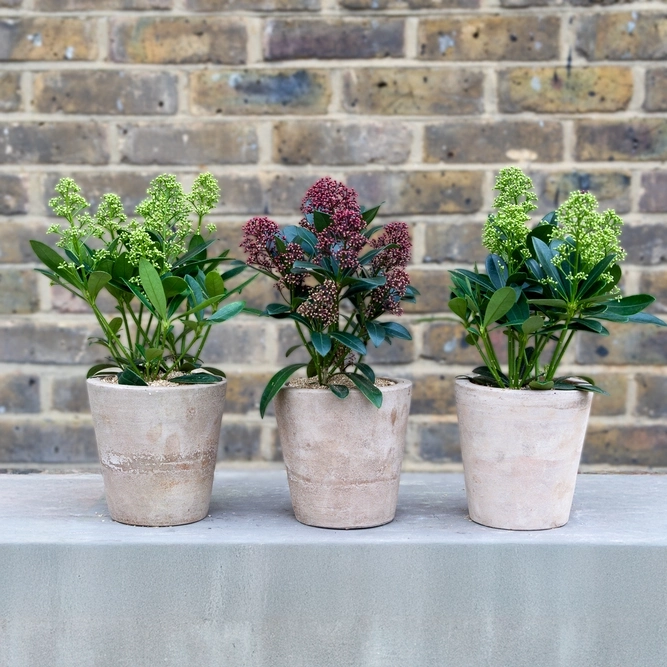
Gardening in city soil also means facing up to clay, compaction, and potential contamination in older London plots. Urban gardening often requires high-quality potting mix or compost due to the risk of soil contamination. Where in‑ground soil is workable, regular additions of well‑rotted garden compost, leaf‑mould and organic mulches help open up clay, improve drainage, and hold moisture through summer dry spells.
In many urban gardens, raised beds and large containers offer a practical clay soil workaround, creating fresh, well‑drained growing zones above heavy subsoil for vegetables, shrubs, and small trees. Using Bokashi composters or compact Bokashi buckets is an effective way to create nutrient-rich soil from kitchen scraps, especially in small urban spaces.
For city gardens, the recommended 2026 standard potting mix is a 1:1:1 ratio of compost, cocopeat, and garden soil. Matching watering and irrigation systems to compact patios and small borders is particularly important in London, where unpredictable weather and water restrictions demand efficient, adaptable solutions.

Growing vegetables and herbs in the city
Growing vegetables in the city is a rewarding way to enjoy fresh produce and reconnect with nature, no matter how limited your floor space may be. Urban gardeners can make the most of their garden space by embracing vertical gardening techniques like installing trellises, wall-mounted planters, or even using hanging baskets to grow climbing plants like beans, peas, and tomatoes. These methods free up valuable ground space and allow you to cultivate a wider variety of crops.
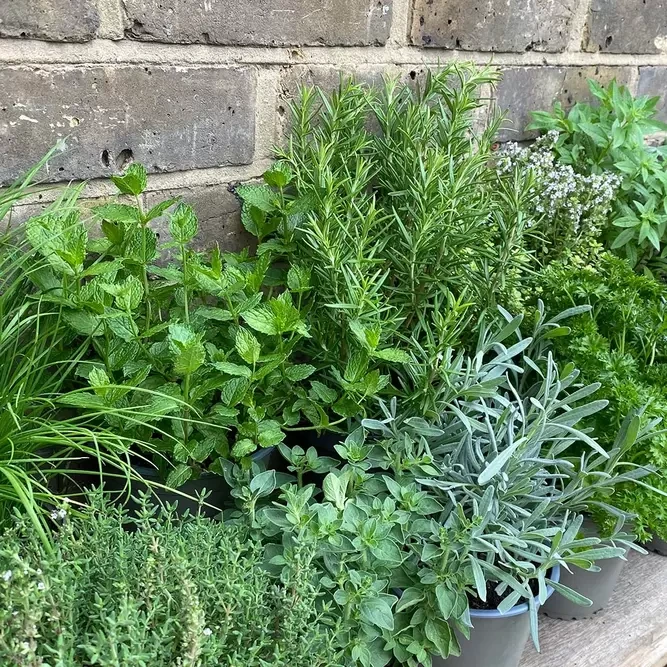
Selecting the right plants is key to a successful garden in an urban setting. Leafy greens such as spinach, lettuce, and chard are well-suited to partial shade, while sun-loving vegetables like tomatoes and peppers thrive in spots with direct sunlight. For herb gardening, our Herb Starter Collection makes a great introductory set. Self-watering containers are a smart choice for busy city dwellers, helping to maintain consistent moisture and reduce the risk of over- or under-watering.
To support a balanced ecosystem, attract beneficial insects by planting companion flowers and using organic fertilisers, which promote healthy plant growth without harming the environment. With a little creativity and the right approach, growing vegetables in the city can yield a bountiful harvest and transform your outdoor space into a productive urban oasis.
Building raised beds in tight spaces
Building raised beds is a practical solution for urban gardeners looking to create a flourishing garden, even when space is at a premium. In urban environments, raised beds can be constructed from wooden planks, bricks, or upcycled materials, allowing you to design a garden that fits perfectly into courtyards, balconies, or compact backyards.
Raised beds offer excellent control over soil structure, making it easier to improve drainage and incorporate organic matter for healthy root growth. By using container gardening principles, you can maximize every inch of available space and ensure your plants receive the essential nutrients they need to thrive.
Raised beds are ideal for growing a variety of edible plants, from leafy greens and herbs to compact vegetables that flourish in partial shade or direct sunlight. Their elevated design not only makes gardening more accessible but also helps deter weeds and pests, creating a low-maintenance urban oasis.
To promote sustainable practices, fill your raised beds with a mix of compost, well-rotted manure, and peat-free soil, and consider installing drip irrigation or self-watering systems to maintain consistent moisture. With thoughtful planning, raised beds can transform even the smallest urban plot into a vibrant, productive garden space.
Attracting pollinators to your urban garden
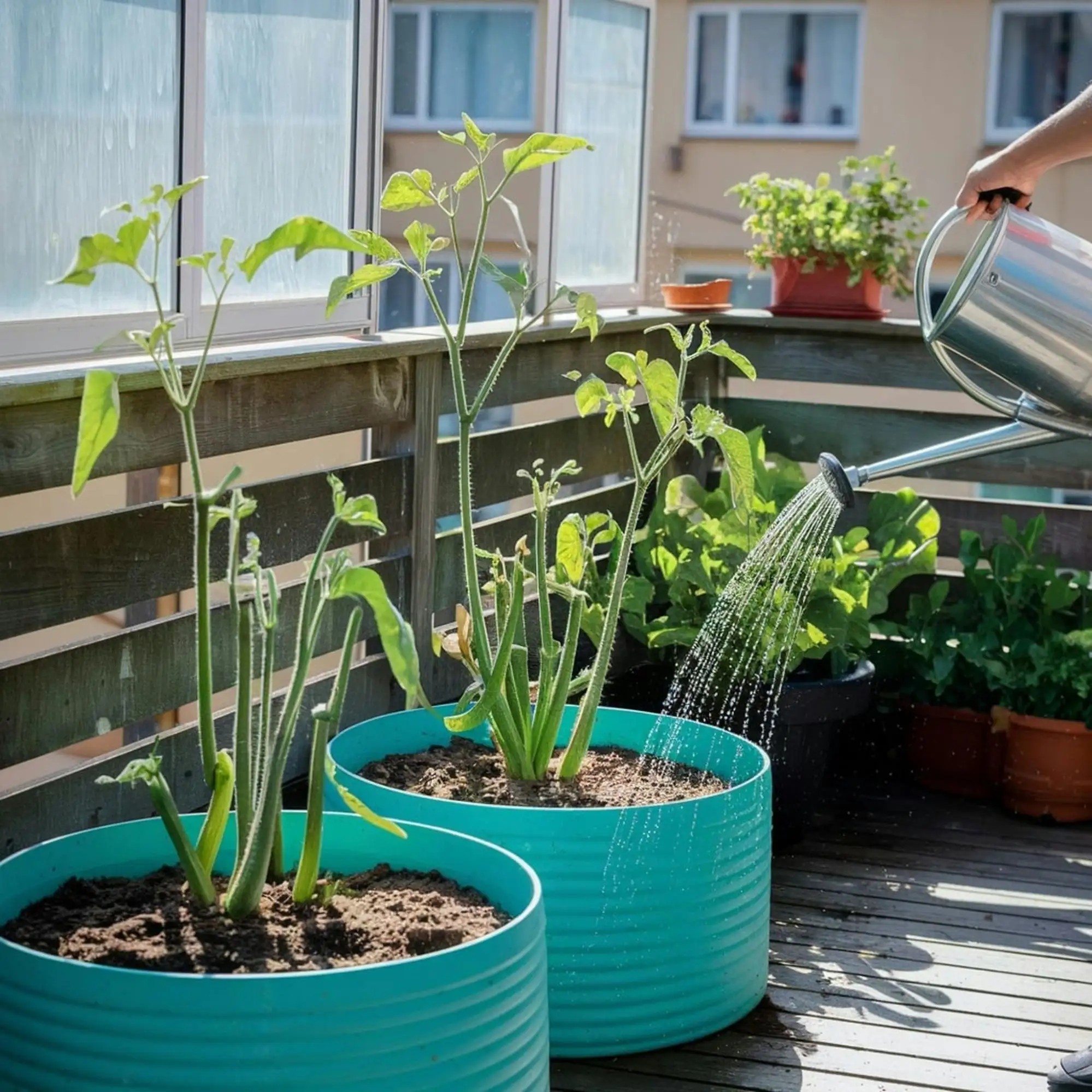
Planting nectar-rich flowers to attract pollinators like bees and butterflies can further improve the health and productivity of your urban garden.
Attracting pollinators to your urban garden is vital for maintaining a balanced ecosystem and supporting the health of your plants. Urban gardeners can encourage beneficial insects like bees, butterflies, and hoverflies by planting a diverse array of flowers and herbs that offer nectar and pollen throughout the growing season. Lavender, coneflower, and marjoram are excellent choices for container gardening, thriving in pots and raised beds while drawing pollinators to your garden.
Creating a pollinator-friendly space doesn’t require a large plot—window boxes, hanging baskets, and wall-mounted planters can all be filled with pollinator-attracting plants. Incorporating compost into your soil helps retain moisture and provides essential nutrients, further supporting plant health and attracting beneficial insects. By fostering a welcoming environment for pollinators, urban gardeners can enjoy a thriving garden that not only looks beautiful but also contributes to the local ecosystem.

Planning for seasonal changes in the city
Planning for seasonal changes is key to maintaining a flourishing garden in urban environments year-round. Urban gardeners can extend their harvest and keep their garden vibrant by selecting plants that are suited to different seasons and using container gardening techniques for flexibility. Rotating crops and refreshing containers with seasonal varieties ensures a continuous supply of fresh produce and decorative interest.
To improve soil structure and promote healthy plant growth, regularly add organic matter such as compost or leaf mould, and adopt sustainable practices like mulching and crop rotation. Self-watering containers and rainwater collection systems help maintain consistent moisture, especially during dry spells or periods of limited sunlight.
By monitoring your garden’s condition and making timely adjustments (such as moving containers to sunnier spots or adding grow lights) urban gardeners can create a thriving urban oasis that adapts to the changing seasons.
Final Thoughts
With these expert tips, your city garden can remain a source of beauty, fresh produce, and a connection to nature all year long. If you’d like tailored help designing or planting your urban space, explore Boma planting services or contact Boma Garden Centre to speak to the team.
Visit Boma Garden Centre For Magical Displays and Collections
Boma Garden Centre · Kentish Town
Continue your planting journey with Boma
Explore curated plant collections, handmade pots & planters, and garden essentials, carefully chosen to help London's plant lovers create beautiful, thriving spaces.
Pots & Essentials
Independent garden centre · Expert plant advice · Local London delivery