

Welcome to the February edition of our gardening guide! As winter’s grip begins to loosen, our gardens awaken with the promise of a new growing season. In this month’s tips, we’ll guide you through essential tasks to prepare your garden for the upcoming spring while highlighting key plants that shine now, including Camellia, Boma’s seasonal hero for late winter containers, courtyards, and sheltered gardens.
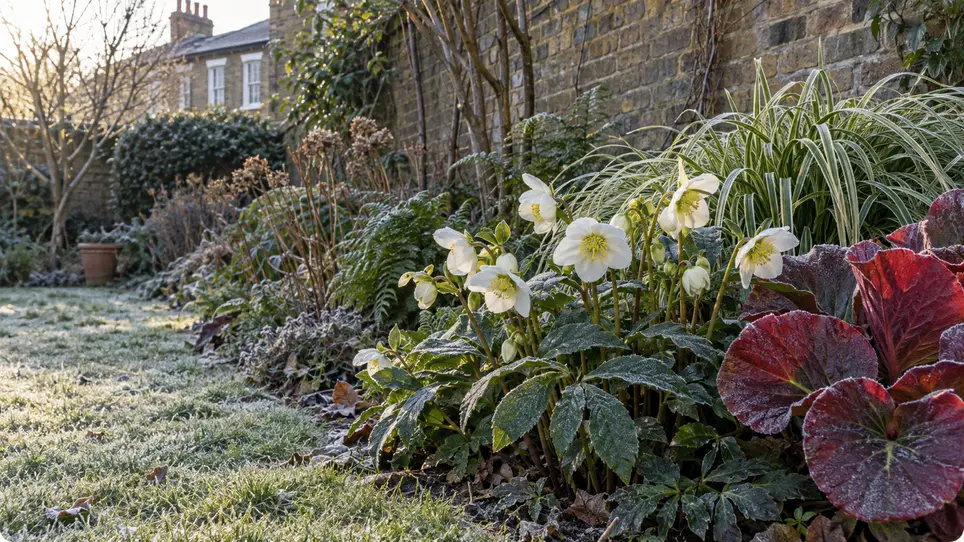
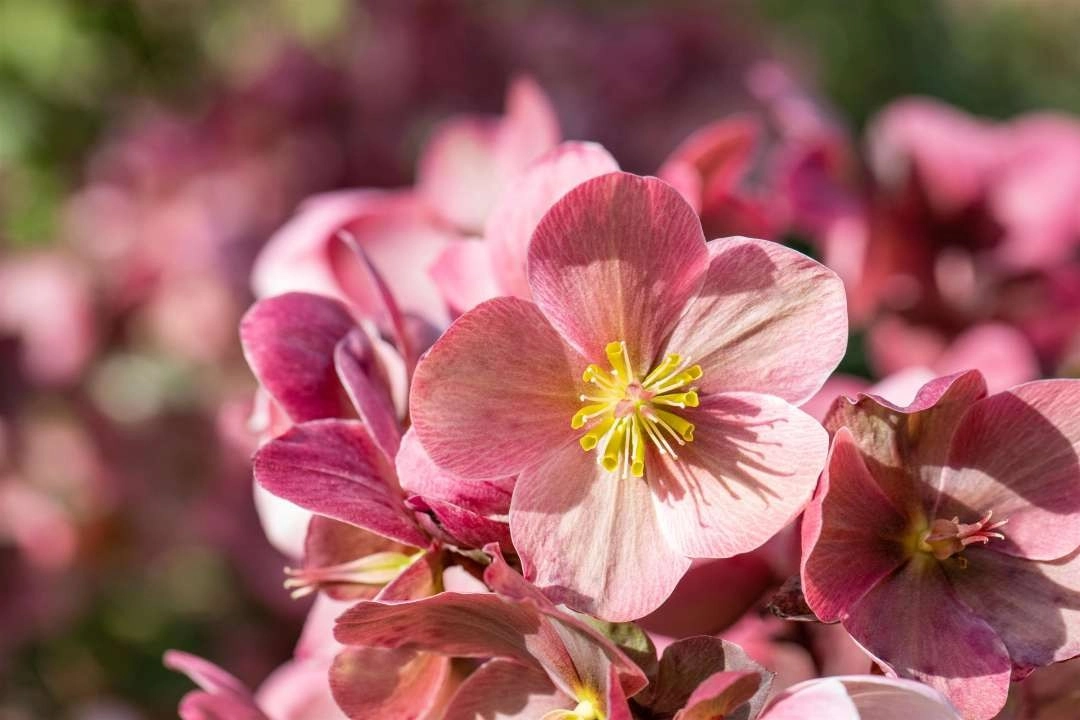
February gardening tasks and gardening jobs, such as winter digging, soil preparation, and early planting, are especially important now to set the stage for a successful season. From pruning and planting to nurturing the soil, each tip is crafted to help your garden thrive and to showcase the flowering shrubs and bulbs that bring colour to late winter, like camellias, hellebores, snowdrops and early daffodils.
Join us on this journey of February gardening, where every task brings you closer to a vibrant and flourishing outdoor sanctuary. As you work, keep an eye out for wildlife waking—one of the first signs that nature is transitioning toward spring.
For more seasonal inspiration, explore our guide to gardening in winter. Let’s dive in and unlock the beauty that February has in store for your green spaces!
Visit Boma Garden Centre For Our Full Collection
Top February Gardening Tips & Jobs To Do in the Garden
February’s all about getting the garden ready for spring and preparing the vegetable garden for upcoming planting. Late winter is a crucial time for garden preparation and maintenance, as many important tasks set the stage for healthy spring growth. It’s time to prune those shrubs, get those beds ready for planting and sort out that pile of seed packets.
Spend some time getting things organised now, and you’ll reap the benefits in a month or two, setting yourself up for a long growing season. Light levels are low in February, which affects seed germination and plant growth, so consider this when planning any early sowings.
Here are our top gardening tips for February.
Spotlight: Camellia, Plant of the Month
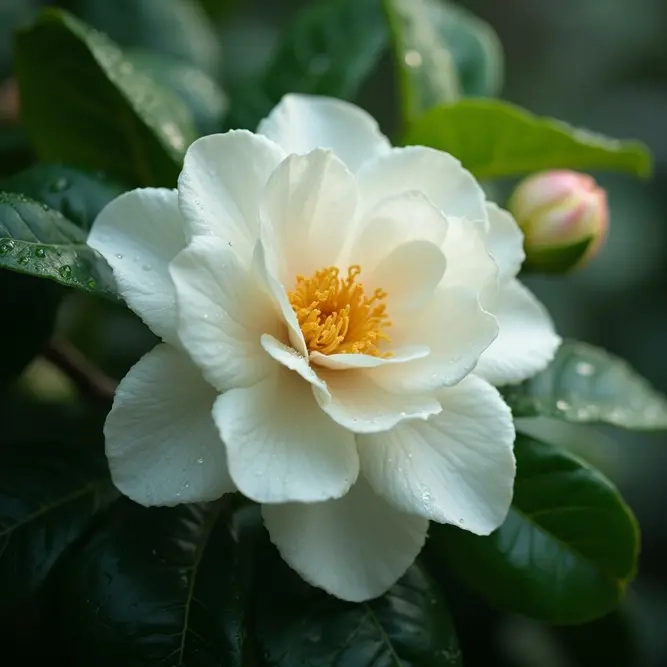
Camellias are one of February’s standout shrubs, with glossy evergreen foliage and rose-like blooms that appear from late winter into early spring, bringing luxurious colour just as the rest of the garden is waking up.
In Boma’s collection, varieties such as Camellia japonica ‘Lady Campbell’ offer vivid red, double flowers from February to March, making them ideal for containers, courtyards, and sheltered city gardens.
For best results, grow camellias in neutral to acidic soil or in pots of ericaceous compost, and position them in light shade, protected from cold, drying winds and early morning sun that can scorch frosted buds. Container-grown camellias are perfect for doorways, patios and balconies; simply plant into a suitable pot with ericaceous compost, keep the soil evenly moist, and feed in spring with a specialist camellia fertiliser to support healthy buds and foliage.
To explore varieties such as Cupido, Winter Perfume, Brushfield Yellow and Nuccio’s Gem, all available at Boma and chosen for their long-lasting, elegant blooms, see Boma’s feature on Camellia’s captivating charm.
Garden Planning and Preparation
- Prepare for spring planting by planning your garden layout and ordering seeds, bulbs, and plants. For easy early propagation, pick up an Elho eco plastic garden scoop for handling compost and potting mix neatly.
- Plan for companion planting to maximise plant health and productivity.
- Clean and prepare pots, seed trays, and tools: Sharpen blades to prevent disease and make work easier.
- Inspect garden structures such as trellises and stakes, repairing or replacing them if needed; use garden fabric staples to pin down membranes or fleece securely.
- Educate yourself on new gardening techniques or sustainable practices through books or workshops. For more inspiration on using plants to boost wellbeing, see exploring the power of plants for health.
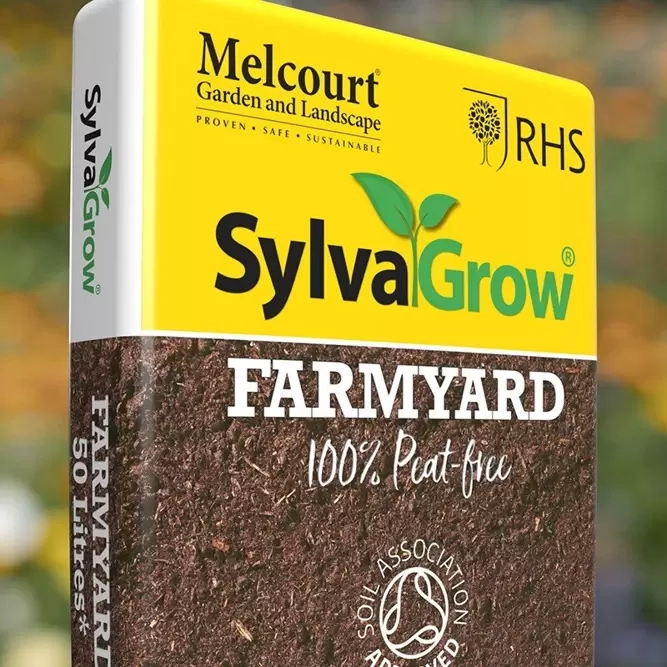
- Start or maintain composting of kitchen and garden waste to enrich soil, then top beds with an organic mulch like Sylvagrow farmyard organic matter.
- When planning your layout, include evergreen backbone shrubs such as Camellia, Skimmia, Aucuba, Photinia and Choisya in key spots for year-round structure, then layer in seasonal bedding and bulbs around them.
Soil and Prepare Vegetable Seed Beds
- Test your soil to check pH and nutrient levels, and adjust with fertilizers or amendments; a slow-release feed such as Miracle-Gro all purpose slow release plant food can help support steady growth.
- Prepare vegetable beds for early sowings by covering them with black plastic or fleece to warm the soil.
- Apply mulch to flower beds to suppress weeds, conserve moisture, and regulate soil temperature. If you are short on space outdoors, consider growing in grow bags to maximise yields in smaller areas.
Seed Sowing and Planting
- Start seedlings indoors for tender crops such as tomatoes, peppers, and certain flowers.
- Chit first early potatoes in a bright, frost-free spot to encourage shoots in preparation for March planting; you can follow more detailed steps in how to grow your own potatoes.
- Plant trees and shrubs if the ground is not frozen or waterlogged.
- Lift and divide snowdrops after flowering to spread them through the garden.
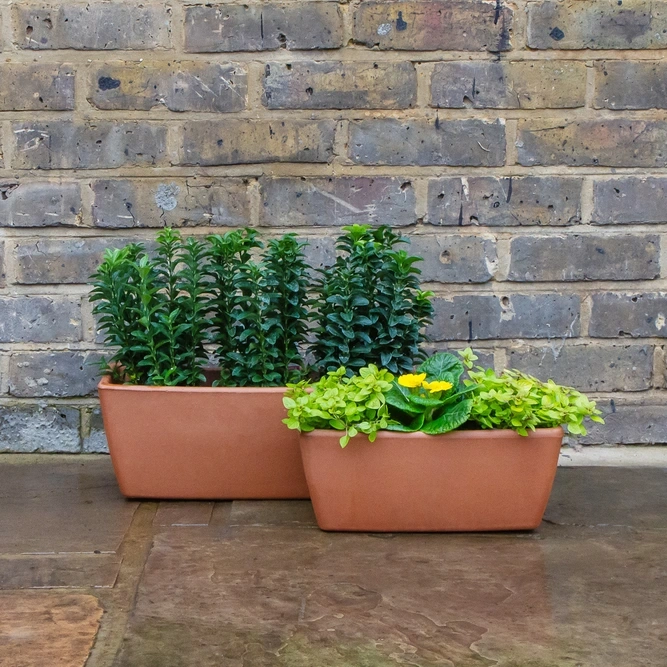
- Divide and transplant overcrowded perennials to rejuvenate them. To brighten patios or balconies, plant them into a Garda window box terracotta trough planter.
Short on time or need expert help with planting? Boma’s Professional Planting Services take the hard work out of crafting your dream garden space. From ready-made planters, to creative garden makeovers or full bespoke planting designs with 3D visualisation, our expert horticultural team handles everything.
Pop down or get in touch to discuss your tailored project.
Pruning and Cutting Back: Prune Wisteria and More
- Prune fruit trees before new growth begins, removing dead or diseased branches.
- Prune shrubs and climbers as appropriate:
- Late-flowering shrubs (hydrangea, buddleja, etc.) – prune now to encourage healthy growth.
- Buddleja – cut back stems to 30 cm above ground.
- Fuchsia – prune back last year’s growth to two buds.
- Wisteria – prune last year’s growth to 2–3 buds from the main framework.
- Dogwood (Cornus) and willow (Salix) – cut back to 15 cm above ground for colourful stems next winter.
- Clematis (Group 3) – cut back stems to 30 cm above ground.
- Autumn-fruiting raspberries – cut all stems to ground level.
- Shrub roses – remove dead or crossing branches and cut main stems by half, just above an outward-facing bud.
- Deciduous grasses (Deschampsia, Calamagrostis) – remove old leaves; delay Miscanthus for another month.
- Comb through evergreen grasses (Carex, Festuca) to remove dead foliage.
- Cut back Epimedium leaves to make way for new flowers and foliage. If ivy is taking over while you prune, learn how to get rid of ivy for good.
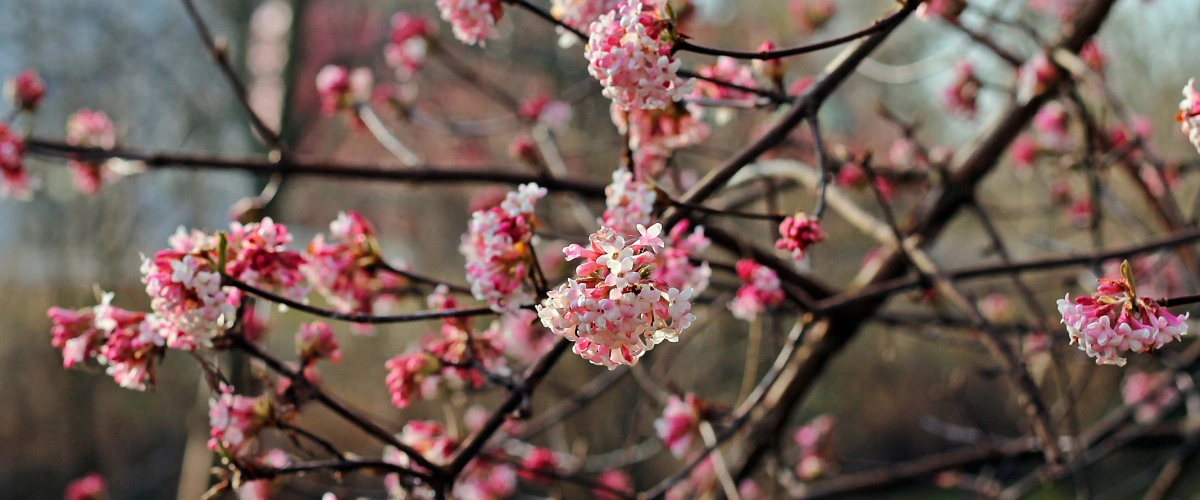
- Winter-flowering shrubs (Mahonia, Viburnum) – prune after flowering.
Fruit Garden Care
February is a pivotal month for fruit garden care, setting the foundation for a productive growing season ahead. By focusing on these February gardening tasks, you’ll ensure your fruit garden and vegetable seed beds are ready for a successful growing season.
- Now is the ideal time to prune fruit trees, especially apple and pear trees, to maintain their shape and encourage healthy new growth. Remove any dead, damaged, or crossing branches to help sunlight reach the centre of the tree and reduce the risk of disease.
- After pruning, apply a generous layer of mulch around the base of your fruit trees to retain moisture, suppress weeds, and enrich the soil as spring approaches.
- Don’t forget to check your stored fruit for any signs of rot or damage—removing affected fruit promptly will help preserve the rest of your harvest.
- For autumn fruiting raspberries, cut out old canes that have finished fruiting and tie in the new canes to support, ensuring strong growth for the season ahead.
- As the end of the month approaches, start to prepare vegetable seed beds for early spring planting.
- This is also a great time to sow seeds for summer cabbage and other brassicas, giving them a head start for an early harvest.
Lawn and Greenhouse Care
Caring for your lawn and greenhouse in February will give your garden a valuable head start as the growing season approaches. By tackling these lawn and greenhouse tasks now, you’ll be well prepared for a vibrant and productive garden as spring arrives.
- Begin by raising your mower blade to around 2.5 inches—this helps protect the grass from winter stress and encourages fresh growth as temperatures increase. Applying a balanced lawn fertilizer now will provide essential nutrients, setting the stage for a lush, green lawn in spring.
- Inside the greenhouse, aim to maintain a steady temperature of around 10°C (50°F) to support early growth and prevent issues like grey mould.
- Keep an eye out for pests or diseases, and address any problems promptly to protect your plants.
- February is also the perfect time to sow seeds for early peas, broad beans, and other hardy vegetables in seed trays. Place these trays on a sunny windowsill or in a heated greenhouse to encourage strong, healthy seedlings.
- As seedlings develop, start potting them on and continue to prepare your greenhouse for the busy season ahead.
- Don’t forget to clean and refill bird feeders—supporting local wildlife is an important part of February gardening.
Protection and Care
- On very cold nights, use fleece or cloches to protect container-grown evergreens like Camellia, Skimmia and Choisya, especially in exposed courtyards or balconies.
- Keep feeding and watering garden birds, and refresh feeders and bird baths regularly.
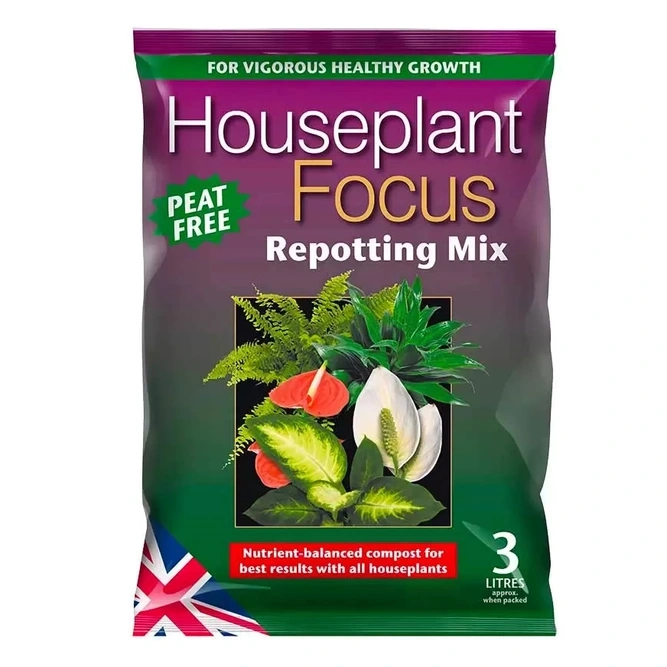
- Check plants for early pest activity, including eggs and larvae under leaves and support them with the right media such as house plant focus peat-free repotting mix.
What to Plant in February for Late Winter and Early Spring Colour
Alongside essential jobs, February is a brilliant time to plant for instant and near-term colour, especially in containers and smaller urban gardens. Focusing on flowering shrubs and bulbs now will link your tasks to visible results in just a few weeks.
- Camellias and other evergreens: Plant potted camellias in containers or sheltered borders using ericaceous compost for bold red, pink or white blooms from late winter into spring; combine them with compact evergreens such as Skimmia, Aucuba, Photinia and Choisya to give year-round structure and berries or fresh foliage colour in pots and small borders.
- Scented winter shrubs: Add Sarcococca near a doorway or path so you can enjoy its sweet winter fragrance from December through early spring, with glossy evergreen foliage that pairs well with camellias and Skimmia in shady, urban gardens.
- Spring bulbs and early bedding: Plant potted bulbs such as dwarf narcissi, crocus and early tulips, along with winter pansies and primroses, into pots, window boxes and front-of-border gaps for a tapestry of colour that bridges late winter and early spring.
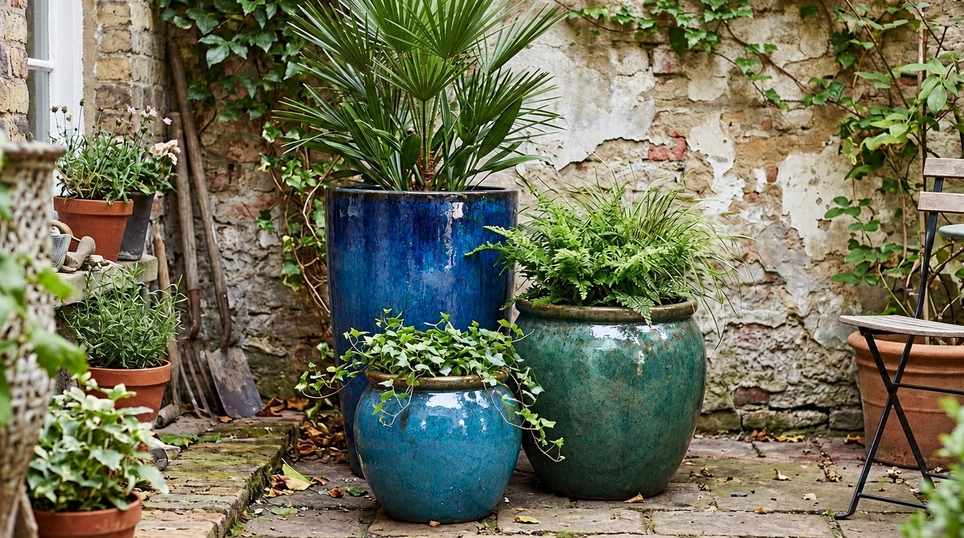
Where space is limited, group a camellia in a statement pot with underplanting of primroses, small bulbs and trailing ivy near a bench or doorway to create a simple, high-impact late winter display that can be refreshed through spring.
Best Houseplants For February
Hanging & Trailing Plants
- Aeschynanthus (Lipstick Plant) – A vibrant trailing plant with bold red tubular flowers, thriving in bright, indirect light with moderate watering.
- Ceropegia (String of Hearts) – Delicate, trailing vines that thrive in bright, indirect light.
- Epipremnum (Devil’s Ivy) – A robust and versatile plant, perfect for offices or low-light areas.
Lush Foliage for a Green Oasis
- Schefflera (Umbrella Plant) – Fast-growing and low-maintenance.
- Calathea & Stromanthe – Vibrant patterned leaves, great for humid environments.
- Nephrolepis (Boston Fern) – Loves bathrooms due to its need for high humidity.
Flowering Beauties for Colour Indoors
- Anthurium – Striking red or pink flowers that bloom throughout the year.
- Hoya (Wax Plant) – Star-shaped, fragrant flowers with a unique appearance.
- Phalaenopsis (Moth Orchid) – The perfect long-lasting alternative to cut flowers.
- Phelbodium (Blue Star Fern) – A stunning blue-green fern that thrives in indirect light and higher humidity.
Final Thoughts
By following these tips, you'll be well on your way to a flourishing garden in February. Happy gardening! If your garden requires a boost after winter, visit our centre, where you’ll find plenty of plants, seeds and gardening tools to get it back in shape!
If your garden requires a more tailored refresh after winter or you would like expert help with planting design, book our Boma planting services or request a garden makeover service with our specialist team. For personalised advice, planting plans, or to discuss your next project, contact Boma Garden Centre today.
Shop Online for Local M25 London Delivery
Boma Garden Centre · Kentish Town
Continue your planting journey with Boma
Explore curated plant collections, handmade pots & planters, and garden essentials, carefully chosen to help London's plant lovers create beautiful, thriving spaces.
Pots & Essentials
Independent garden centre · Expert plant advice · Local London delivery