

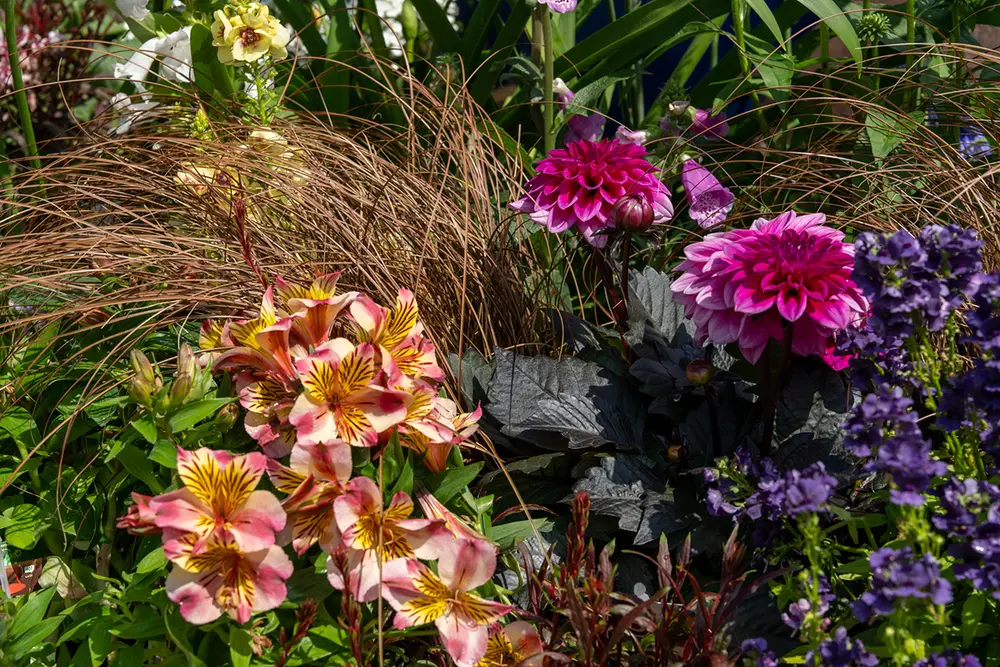
July at a Glance
If you do nothing else this month, water consistently, deadhead regularly, and feed anything that is flowering or fruiting. Everything below is worth doing, but those three keep a London garden looking and cropping well through high summer. The table sorts the month's jobs by what to act on now and what can wait.
| Do now | Plant / sow now | Hold off |
|---|---|---|
| Water containers and new plants deeply, early or late | Salad leaves and rocket (every 2–3 weeks) | Feeding lawns in drought — wait for rain |
| Deadhead roses, sweet peas, cosmos, bedding | Biennials for next spring (foxgloves, wallflowers, honesty) | Hard-pruning spring shrubs that have set buds |
| Feed tomatoes, beans and other croppers fortnightly | Autumn-flowering bulbs (nerine, colchicum) | Planting bare-root anything (autumn/winter job) |
| Summer-prune wisteria and trained fruit | Semi-ripe cuttings of shrubs (hydrangea, choisya) | Moving established evergreens |
| Hoe borders to keep weed seedlings down | Pot-grown perennials and shrubs (if you can water) | Sowing slow brassicas from scratch outdoors |
Watering Well in the London Heat
The single most useful thing you can do in July is water properly: a deep soak two or three times a week, early in the morning or in the evening, rather than a daily splash. A light sprinkle wets the surface and evaporates; a proper soak reaches the roots and trains them to grow downward, where the soil stays cool and moist. London's heat is amplified by all the brick and paving around us, so containers, south-facing walls and roof terraces dry out faster here than an open country garden would.
A few habits make the difference through a hot London spell:
- Water at the base, not over the leaves — it gets moisture where it is needed and reduces scorch and mildew.
- Use collected rainwater where you can — kinder to acid-lovers, and it spares the mains in a dry month.
- Mulch after watering — a layer of compost or bark over damp soil holds moisture in far longer than bare ground.
- Group thirsty containers together — they shade each other's pots and create a slightly more humid pocket, which slows drying.
For terraces and courtyards where hand-watering every evening is not realistic, an automated system pays for itself in plants kept alive over a holiday. The Gardena irrigation range covers everything from a single timed tap to a full micro-drip layout, and the team in store can help you work out what a particular space needs. For hand-watering, a long-spouted can or a hose with a lance makes it easier to reach the base of established plants. There is more detail in our guide to watering your plants in summer.
Keeping Borders and Flowers Going
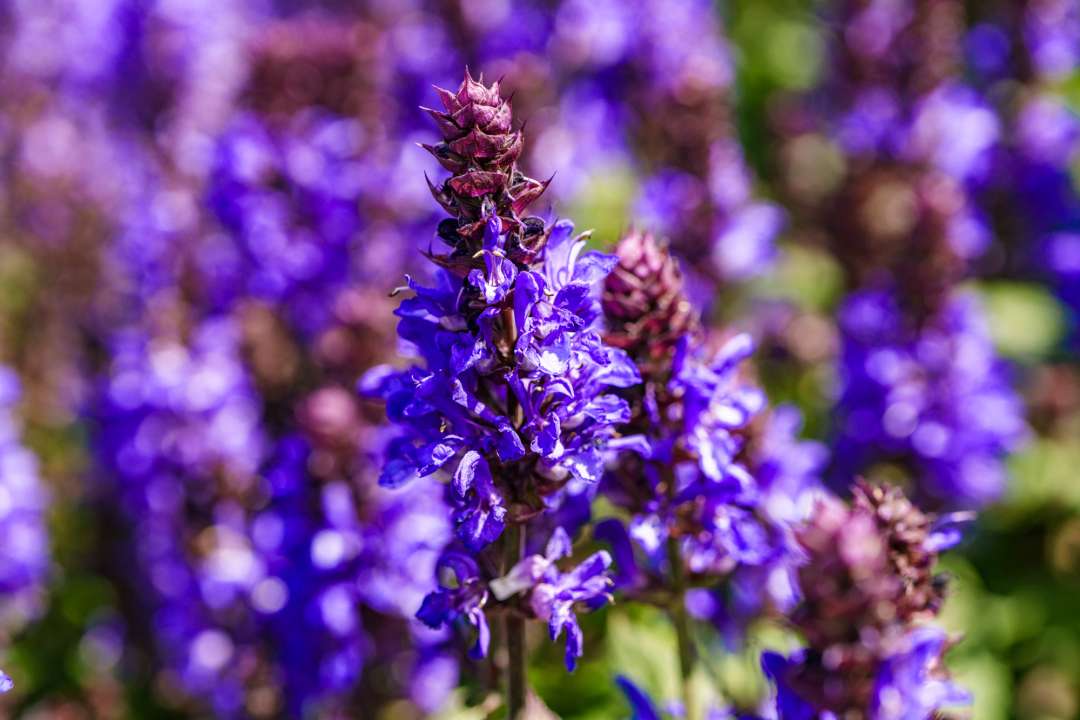
High summer borders stay generous if you keep removing what is over. Deadheading is the highest-value job of the month: cutting spent flowers off roses, sweet peas, cosmos, dahlias and bedding stops the plant putting energy into seed and pushes it to flower again. A few minutes every couple of days does more than an hour once a fortnight.
Cut sweet peas and roses for the house as you go — picking is deadheading by another name, and a vaseful indoors is part of the point of growing them. A pair of clean, sharp secateurs such as the Darlac Expert Bypass Pruner makes a clean cut that heals quickly rather than crushing the stem.
Alongside deadheading:
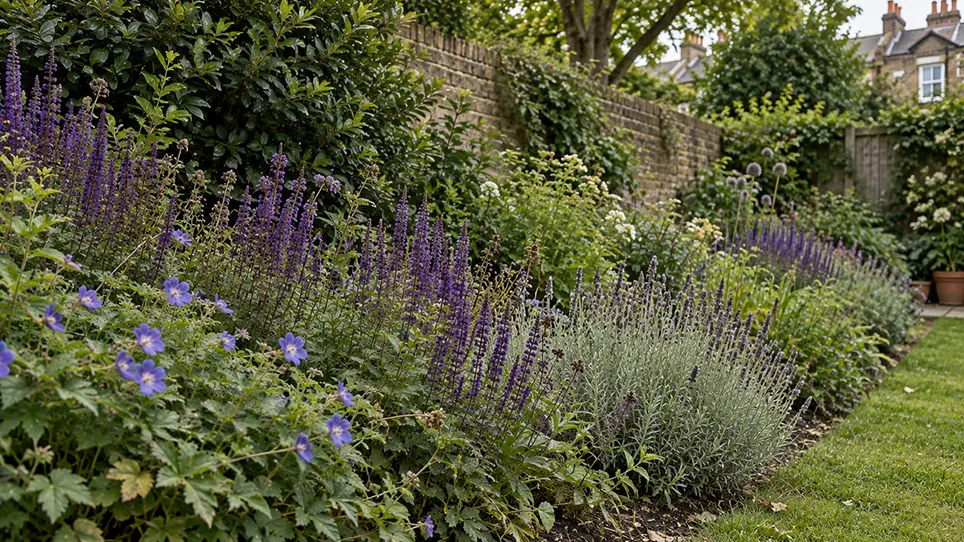
- Cut back hardy geraniums that have gone leggy and tired — shear them to the base, water, and most respond with a fresh mound of foliage and a second, lighter flush.
- Cut back delphiniums after their first spires fade for a chance of a smaller second flowering; mulch and water well to support it.
- Feed flowering plants in pots and borders with a high-potash liquid feed (tomato feed works well) — by midsummer they have used up much of what was in the compost.
- Hoe borders every few days in warm, damp spells, when weed seedlings appear fast; a quick hoe in dry weather leaves them to wither on the surface.
- Stake and tie dahlias and tall perennials before summer storms catch them top-heavy.
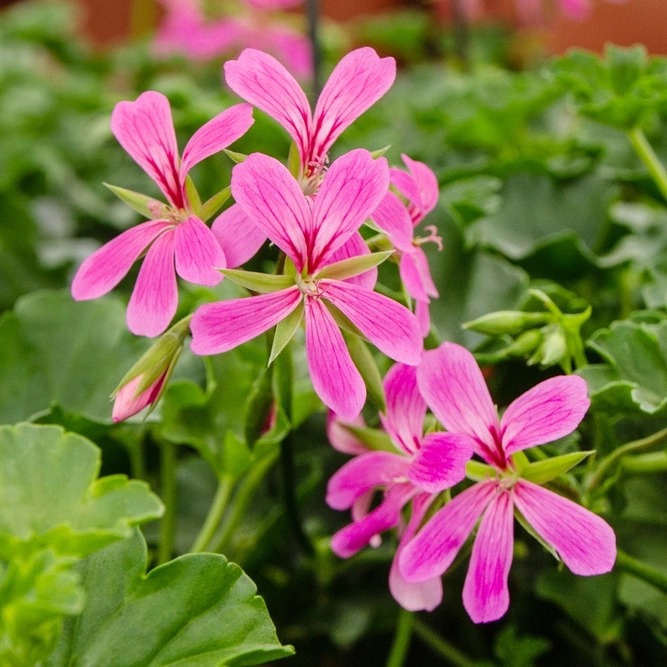
If a border has gaps where spring colour has gone over, July is a good moment to drop in pot-grown perennials or fresh bedding to carry it through to autumn — as long as you can keep new plants watered while they settle. For a tired border that needs more than a refresh, our Garden Planting Service covers planting schemes for established beds within five miles of Kentish Town.
The Edible Garden in July
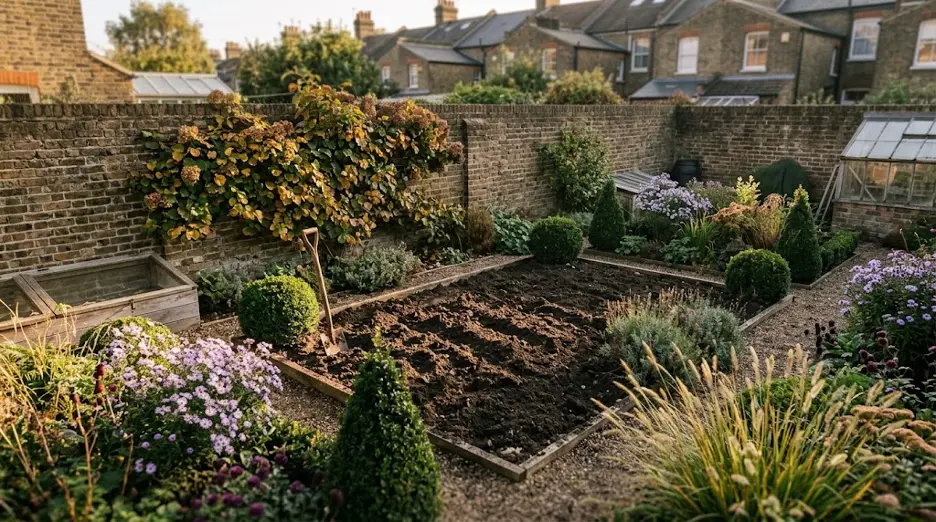
July is when the kitchen garden starts paying you back, and the work is mostly about keeping plants productive and picking little and often. The more you harvest from courgettes, beans and salad crops, the more they produce — leave them to mature and they slow down.
- Feed fruiting crops fortnightly. Tomatoes, beans, courgettes, peppers, blueberries and gooseberries all crop better with a high-potash feed to keep fruit forming.
- Pinch out cordon tomatoes. Remove the side shoots that form in the joint between the main stem and each branch, so the plant's energy goes into fruit rather than leaf.
- Pinch out broad bean tips. Once pods have set, take out the soft growing tips — this discourages blackfly, which target the tender new growth.
- Pick courgettes and beans young. Small and tender is both better eating and better for the plant; a single missed courgette becomes a marrow and tells the plant to stop.
- Harvest herbs regularly. Picking basil, parsley, mint and thyme keeps them bushy rather than running to flower. Pinch out flowering tips to prolong the leaf harvest.
- Earth up maincrop potatoes and check earlies by feeling gently into the soil — drawing soil up over the tubers stops light turning exposed ones green.
This is also a good month for a quick, productive sowing: salad leaves, rocket, radishes, beetroot, chard and dill all have time to crop if sown now and kept watered. Sow salad in light shade, or where it gets some relief from the afternoon sun, to slow bolting and keep the leaves sweet.
Summer Pruning: Wisteria, Climbers and Stone Fruit
A handful of plants are pruned specifically in summer, while they are in active growth — getting the timing right matters more than getting the cuts perfect.
Wisteria gets its summer cut now: shorten this year's long, whippy green shoots back to five or six leaves. It keeps the plant in bounds and concentrates its energy into the flowering spurs that give next spring's display. (The winter prune then takes those same shoots back further.) Our step-by-step on how to prune wisteria walks through it.
Stone fruit — plums, cherries, peaches and apricots — should be pruned in summer while in leaf, never in winter. Pruning during the growing season greatly reduces the risk of silver leaf disease and bacterial canker, which enter through cuts made in the dormant months. Keep cuts clean and minimal.
Other climbers and ramblers. Tidy clematis, honeysuckle and rambling roses after flowering: remove dead or tangled growth and tie in new shoots along their supports while they are still flexible. Wall-trained climbers kept tidy now flower more freely and are far easier to manage come autumn.
One job to leave alone: resist hard-pruning spring-flowering shrubs that have already set their buds for next year, or you will cut off the display before it happens.
Containers and Terraces
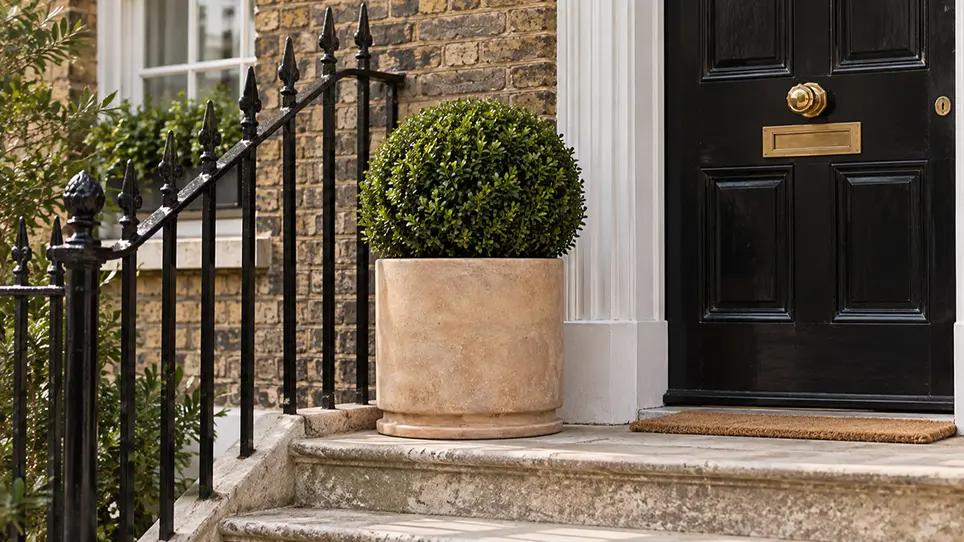
For a great many Boma customers — roof terraces in the city, balconies in Primrose Hill, courtyards behind Kentish Town terraces — the whole garden is in containers, and July is the month they need the most attention. Pots have a small reservoir of compost and dry out fast against warm walls and paving, so watering and feeding are the difference between a terrace that looks lush all summer and one that crisps by August.
- Check pots daily in hot weather. Terracotta is porous and dries fastest; glazed and eco-plastic pots hold moisture longer and are kinder in exposed, sunny spots.
- Feed weekly. Containers exhaust their nutrients faster than borders — a weekly liquid feed keeps bedding and patio plants flowering.
- Help pots hold water. For thirsty terracotta in full sun, mix Miracle-Gro Moisture Control Gel into the compost at planting and add a gravel mulch on top to slow evaporation. It reduces how often you water, not whether you need to.
- Use height and grouping. Cluster pots to shade each other and stage them at different levels — it looks considered and creates a more sheltered, humid microclimate.
July is a fine time to plant up a new container scheme or refresh a tired one, provided you can keep it watered while it establishes. Choose generous pots — bigger volumes of compost dry out more slowly and give roots room — from the glazed and eco-plastic ranges. If you would rather have a terrace or courtyard planted and set up properly — including irrigation — our Courtyard & Roof Terrace Container Planting Service covers planting schemes, planters and irrigation for London's outdoor spaces.
We're a short walk from Kentish Town station at 51–53 Islip Street, NW5 2DL, with summer bedding, perennials, herbs, climbers, pots and the full range of feeds, composts and irrigation under one roof. Whether you're filling a window box in a flat or refreshing a border in Hampstead, the team can match plants and kit to your space — sun, shade, exposure and all. We deliver to every postcode within the M25, so a full terrace's worth of plants and pots can arrive together, ready to place. Check delivery zones and charges.
Looking Ahead: Sowing and Planting Now for Later
Part of July's pleasure is working a season or two ahead while the garden is at its fullest. A little done now means colour when others have nothing.
- Sow biennials for next spring. Foxgloves, wallflowers, honesty and sweet William sown now make strong plants by autumn and flower next spring. Sow into trays or a spare corner and plant out later.
- Plant autumn-flowering bulbs. Nerine and colchicum go in this month to flower in September and October, when the borders are winding down and unexpected colour is most welcome.
- Take semi-ripe cuttings. Many shrubs — hydrangea, choisya, philadelphus and the like — root readily now from this year's part-ripened growth, struck in gritty compost. A cheap way to make more of what you already have.
- Order spring bulb catalogues. Daffodils, tulips and alliums are chosen now for autumn planting; the best varieties sell out early.
A note for anyone with a pond or water feature: top it up in hot weather, and clear blanket weed and algae, which bloom fast in the heat. Lift a netful of weed out and leave it on the side overnight so any creatures can crawl back in.
Frequently Asked Questions
How Often Should I Water Containers in a London Heatwave?
In real heat, check containers daily and expect to water most of them every day — small pots and terracotta in full sun sometimes twice, morning and evening. Water until it runs from the base, so the whole rootball is wetted rather than just the surface. Grouping pots together and adding a gravel mulch slows drying and buys you a little slack between waterings.
What Can I Still Plant or Sow in July?
Plenty. Sow salad leaves, rocket, radishes, beetroot, chard and herbs for late-summer cropping, and biennials such as foxgloves and wallflowers for next spring. Plant autumn-flowering bulbs like nerine and colchicum now, and you can still plant pot-grown perennials, shrubs and bedding as long as you can keep them watered while they establish.
Is It Too Late to Deadhead and Prune?
July is exactly the time for both. Deadhead roses, sweet peas, cosmos and bedding regularly to keep flowers coming. Summer-prune wisteria, trained fruit and stone fruit (plums, cherries, peaches) now while in leaf. The one thing to avoid is hard-pruning spring shrubs that have already set next year's buds.
Why Are My Tomatoes Not Setting Fruit?
Usually heat, dryness or uneven watering. In very hot spells flowers can drop before setting; consistent watering, a fortnightly high-potash feed and pinching out the side shoots on cordon types all help. A gentle tap or shake of the flowering trusses on a warm day aids pollination on plants grown under cover.
How Do I Keep Bedding and Hanging Baskets Going Through Summer?
Water daily in heat, feed weekly with a high-potash liquid feed, and deadhead regularly so plants keep flowering rather than setting seed. For baskets and terracotta that dry out fast, work a water-storing gel into the compost at planting and add a mulch to the surface — both reduce how often you need to water.
Where Is the Best Place to Buy Plants and Compost in North London?
Boma Garden Centre at 51–53 Islip Street, Kentish Town NW5 2DL carries summer bedding, perennials, herbs, climbers, pots, composts, feeds and irrigation, with staff on hand to match plants to your space. Delivery is available to all M25 postcodes, with charges zoned by postcode from £10, so you can order a full scheme for a terrace or border and have it arrive together.
Whether you're keeping a balcony going through a heatwave or planting a border for the months ahead, we've got the plants, pots, composts and irrigation to do it well — and the advice to match them to your space. Come and see us at 51–53 Islip Street, Kentish Town NW5 2DL, book a terrace or courtyard planting consultation, or order for delivery across the M25.
Visit Boma Book a Consultation Check Delivery