

Seeing squirrels in your garden can be terrific fun, and they are quite common in many areas, especially where there are plenty of trees. They will happily munch new shoots, berries, fungi and many other things you might not want them to eat, so there are some protective measures you can take if you want to keep them off your plants and away from the bird feeders. Grey squirrels are common but red squirrels are now endangered. Here is how to welcome squirrels into your garden, without them damaging your plants.
Why love squirrels in your garden
Firstly, aren’t they so cute to watch run around and scurry up the trees, plus they can really jump! Their fluffy tails bop up and down as they hide their feast. Welcoming all wildlife is a joy when you consider that each one has an important role to play in the ecological system. Squirrels take seeds and bury them, meaning they help woodland and forests grow naturally. They sometimes forget where they have hidden them, and new trees grow.
How to feed squirrels in your garden
Squirrels will mostly be looking for food, and your bird feeders will be top of their list. Usually, they are looking for sunflower seeds, so a good way to feed them separately from birds (which also helps to minimise disease spread) is to make a squirrel feeding station away from the bird food and fill it with corn and sunflower seeds. Your squirrels will soon head that way and leave the garden bird feeders alone.
If you want to know more about how to care for your garden birds this winter, read this blog item.
Plant protection from squirrels in your garden
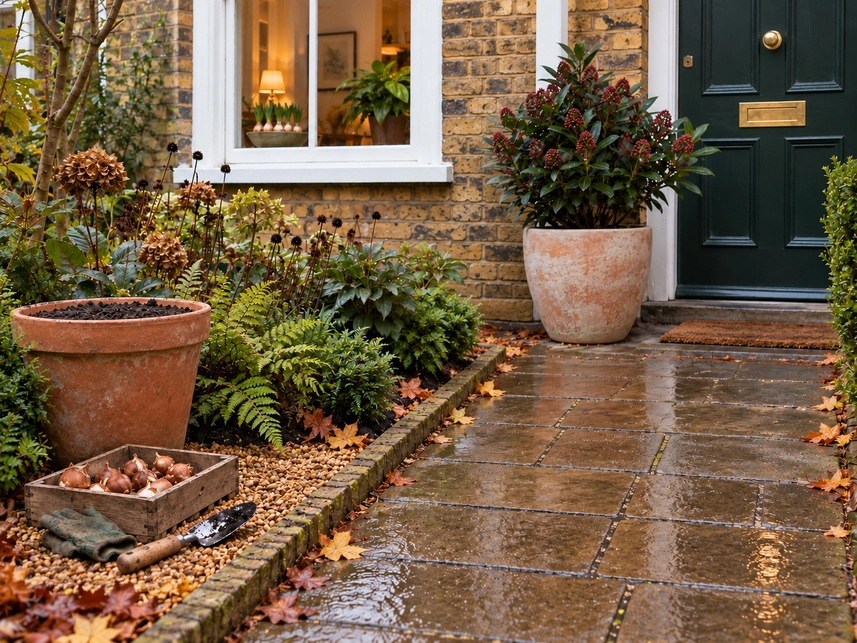
They can get busy in your garden, so secure netting for new shoots and bulbs is useful, and tree bands or other protection to stop them ruining your trees is also helpful. Place any food you are putting out in the garden away from your precious plants as well. Put plenty of mulch on your pots so squirrels can’t easily dig up your bulbs and plants.
If you’d rather get rid of squirrels in your garden
They don’t enjoy some natural repellants such as pepper, Daffodil and Hyacinth bulbs, and if you have a pet dog, that can also deter them from coming into your garden in the first place. They tend to be active during the day and sleep at night but if you find your precious bulbs dug up in the mornings, try a security light for overnight or pretend cats eyes that glow as well.
For plant protection and squirrel, feeders visit us in store.