

Indoor apartment "gardening" in London can feel like a puzzle. Fourth‑floor apartments in Camden, shaded mansion blocks in Highgate, slim Stoke Newington studios and airy Hampstead conversions all come with their own mix of north‑facing windows, tall buildings blocking sunlight, hot radiators and tiny floorplans.
The key is simple: choose the best houseplants for each small space, then support them with a realistic care ritual that fits how you actually live.
This guide walks through your apartment room by room, focusing on true indoor plants that cope with real London light levels. You will learn how much light each space really gets, which houseplants will tolerate those conditions, and which tools, feeds and composts keep them thriving year round.
Know Your Flat: Light, Heat and Space in a London Home
Before buying more plants, spend a day watching the sunlight in your apartment and how it moves through each space. A living room with north‑facing windows in a Crouch End conversion will get soft, lower light – ideal for low‑maintenance, low‑light indoor plants, not sun‑hungry outdoor crops.
A bay window with south‑facing glass in Belsize Park may deliver pockets of bright, sometimes direct light, but the rest of the room can still be quite dim. Upper floors may be bright at the window yet shaded only a couple of metres back.
In many London flats, neighbouring tall buildings or narrow streets heavily reduce sun exposure. If you are unsure how much light a corner receives, use the book test: if you can comfortably read a page at midday without turning a lamp on, you have at least medium light. If you struggle to read, treat it as low light and choose plants accordingly.
Light is the main limiting factor for indoor growing in London, so aim to match each plant to the light you actually have, rather than trying to force a sun‑lover to tolerate a dark corner. When you want to grow light‑hungry species, compact LED grow lights can help, but for most customers the priority is resilient plants that cope with typical flat conditions.
Browse Boma’s full range of Indoor Plants & Houseplants for options clearly grouped by type and growing conditions.
Low‑Light Living Rooms and Bedrooms
Maybe you are working with a small lounge with north‑facing windows in Kentish Town or a basement bedroom with one high window. These are classic low‑light spaces, but they can still become green, calming rooms if you choose the right species.
Best Plants for Low‑Light Rooms
Look for shade‑tolerant, tough plants that cope with lower light and the occasional missed watering.
- Snake plant (Sansevieria): One of the most reliable houseplants for London flats, snake plants tolerate low to medium light and irregular care. They are far more likely to suffer from overwatering than neglect, so keep them on the dry side and make sure pots drain freely. Explore Boma’s Snake Plant selection for architectural varieties such as Sansevieria trifasciata ‘Laurentii’.
- ZZ plant: Glossy foliage, tolerant of less light and happy in indoor schemes where watering is occasional rather than frequent. Like snake plants, they prefer to dry out between waterings and appreciate a free‑draining compost. See Boma’s ZZ Plant range.
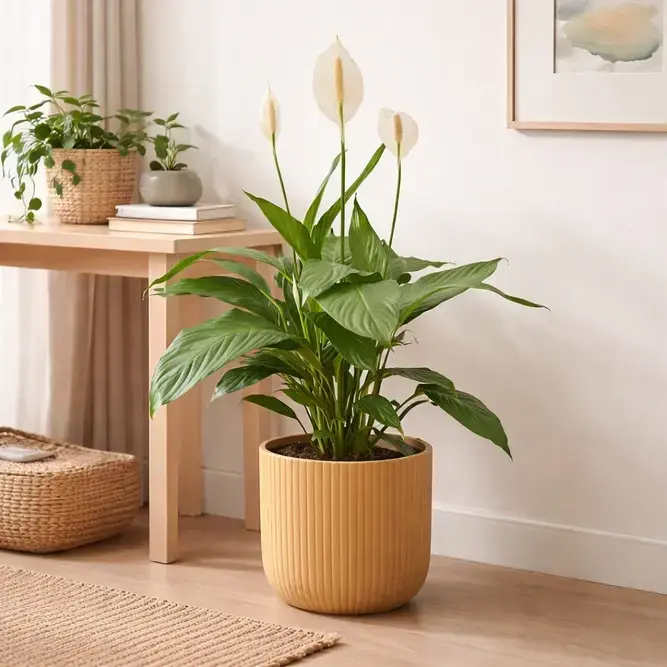
- Peace lily: Peace lilies enjoy humidity and bright, indirect light, but many will tolerate typical London bedrooms and living rooms as long as they are kept out of harsh sun. They conveniently droop when they need water, then perk up again once you water them. Discover Boma’s Peace Lily collection for reliable, flowering options.
- Pothos and Philodendron: Pothos and many Philodendron varieties are classic apartment plants: undemanding, fast‑growing, and happy to trail from shelves or climb a moss pole. They cope with lower light than many tropicals, though they show their best leaf colour and growth in medium, indirect light. Explore Pothos and Philodendron options.
- Indoor ferns: In shadier corners with at least some ambient light and good humidity, indoor ferns bring soft texture. Pair them with bathrooms or away‑from‑radiator spots where the air is less dry. See Boma’s Indoor Ferns.
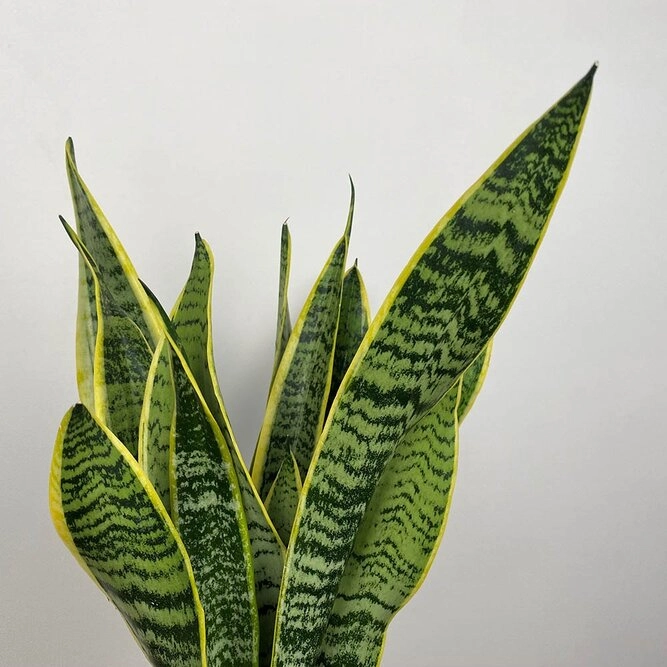
These foliage plants turn dark corners into lush, low‑effort green pockets without needing large amounts of space or intense light.
Care Routine for Dim Rooms
- Potting mix and pots: Use a light, well‑draining indoor potting mix rather than heavy garden soil, and always ensure drainage holes so water does not pool and cause root rot. Cacti, succulents and some arid‑loving plants benefit from even grittier, specialist mixes, while ferns prefer composts that hold more moisture. Browse Boma’s compost & soil mixes and pots & planters, including classic terracotta pots.
- Watering: In heated apartments, soil near radiators usually dries out faster while shaded spots stay cooler. Check soil moisture at least weekly. For most foliage plants, water when the top 2–3 cm of compost feels dry to the touch; for snake plants and ZZ plants, let the soil dry out a little further before you water. It is generally safer to underwater slightly than to overwater, because roots need air as well as water. Use a slim indoor can from Boma’s watering cans for precise pouring.
- Rotation and leaf care: Rotate pots a quarter turn every couple of weeks so plants grow evenly and do not lean dramatically towards the window. Dust leaves with a damp cloth so London air pollution does not build up on foliage and block the limited light that is available.
Bright Windowsills and Sun‑Trapping Spots
Not every London flat is gloomy. South‑ and west‑facing windowsills, roof‑adjacent ledges and warm spots behind glass can offer bright, sometimes intense light. These are prime locations for sun‑tolerant houseplants, as long as you protect them from scorching behind summer glass.
Best Plants for Bright, Sunny Areas
- Bird of Paradise: Strelitzia thrives in bright, indirect light and can handle some direct sun, making it a good choice for a bright living room or dining area. It needs space as it matures, so plan ahead for larger leaves and taller stems. Explore Boma’s Bird of Paradise range.
- Monstera and Ficus: Monstera and many Ficus species (such as rubber plants and fiddle‑leaf figs) appreciate bright, filtered light and reward you with strong, structural shapes. Keep them a little back from the glass to avoid leaf scorch. Browse Monstera and Ficus options.
- Dracaena and Kentia palm: Dracaena and Kentia palms make excellent statement plants in brighter rooms. They prefer bright, indirect light and consistent, moderate watering, and they help soften sharp corners in modern flats. See Boma’s Dracaena and Kentia Palm selections.
- Succulents and cacti: These are only suitable for high‑light positions. They need as much sun as your home can offer, so reserve them for south‑ or west‑facing sills or under skylights, not for darker shelves or hallways. Use a free‑draining cactus compost and water sparingly, allowing the mix to dry completely between waterings.
- Anthurium and Orchid: Anthuriums and many orchids thrive in bright, indirect light – for example, near an east‑facing window or set back from a sunnier one. Keep their roots evenly moist but never waterlogged and avoid strong midday sun. Explore Boma’s Anthurium and Orchid collections.
Care Tips for High‑Light Plants
- Monitor for leaf scorch in summer and shift plants slightly away from hot glass if you see pale or crispy patches.
- Use saucers and cachepots from Boma’s pots & planters range to protect sills from runoff, but always empty standing water after 10–15 minutes.
Steamy Bathrooms and Shaded Hallways
Bathrooms and internal hallways can feel awkward for plants, but they are often some of the best spots for humidity‑loving foliage and ultra‑tough shade plants.
Bathrooms as a Mini Indoor Jungle
Steam from showers creates humidity that many tropical houseplants love, particularly ferns, peace lilies, Calathea and some Philodendron. Just ensure there is at least some bright or soft, indirect light – a completely dark bathroom will not suit any plant long‑term.
- Group plants together to create a mini “rainforest” corner, which raises humidity and reduces how quickly compost dries.
- Use pots with drainage holes and a light potting mix to avoid permanently damp soil around roots.
- For foliage inspiration, browse Boma’s Indoor Ferns, Calathea and Peace Lily ranges.
Shaded Hallways
Shaded halls in mansion blocks and long, narrow corridors are classic small‑space problems. Here, rely on tough, architectural plants such as snake plants, ZZ plants and some Dracaena that tolerate lower light and infrequent watering.
Explore Boma’s Snake Plant, ZZ Plant and Dracaena selections for strong forms with minimal care. Because these spaces can get very dark, you may need to rotate plants in and out from brighter rooms or add a small grow light.
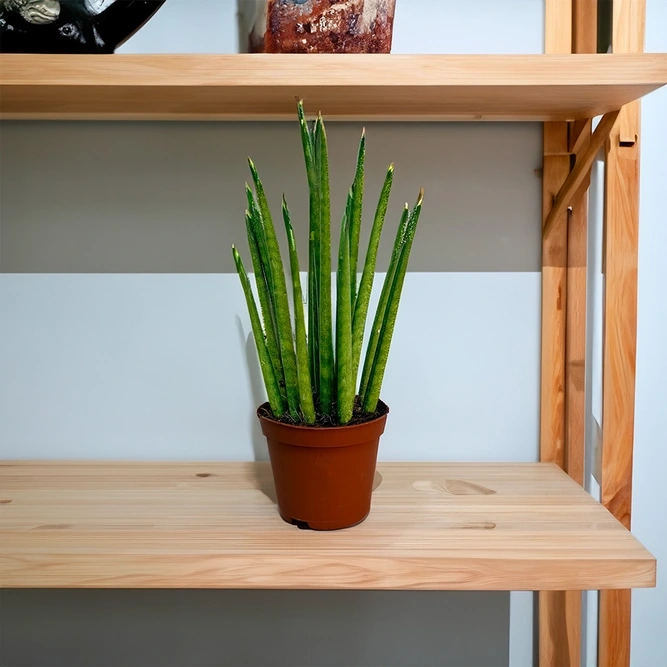
Feature Plants for Statement Corners
Once your easy‑care foliage is settled, you can add a few character pieces.
- Bonsai: Indoor bonsai trees, such as Ficus bonsai, make living sculptures for bright spots. They need more attentive watering and feeding, so they suit plant lovers who enjoy a weekly check-in. Explore Boma’s Bonsai range.
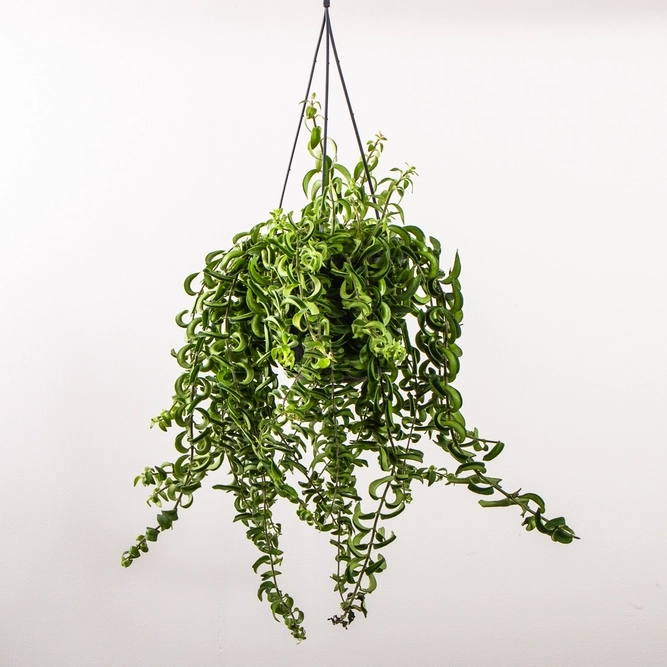
- Hoya and Lipstick plant: Hoya and lipstick plants offer trailing or arching growth and, with good light, rewarding flowers. Place them in bright, indirect light and allow the top of the compost to dry slightly between waterings. Browse Hoya and Lipstick Plant options.
- Spider plant: Spider plants are classic, forgiving choices for shelves, hanging pots and children’s rooms. They cope with a range of light conditions, provided they avoid deep shade, and readily produce baby plantlets. See Boma’s Spider Plant range.
Watering, Pests and Feeding: A Simple Care Routine
However many houseplants you have, a short, regular routine is all you need to keep them healthy.
Houseplant care by light and watering needs
| Plant type | Typical light in London flats | Watering needs | Great spot examples | Notes for Boma customers |
|---|---|---|---|---|
| Snake plant | Low to medium; tolerates deeper shade | Let soil dry at least halfway down before watering; dislikes soggy compost | Shaded hallways, corners of living rooms | Very resilient; overwatering is the main risk |
| ZZ plant | Low to medium | Water only when soil is almost completely dry | Internal hallways, north-facing sitting rooms | Ideal for busy owners and lower-light spots |
| Peace lily | Low to medium, bright indirect preferred | Keep evenly moist, never waterlogged; droops when thirsty | Bedrooms, living rooms, brighter bathrooms | Good first flowering houseplant |
| Pothos / Philodendron | Low to medium, best in medium indirect light | Water when top 2-3 cm of compost is dry | Shelves, bookcases, hanging pots | Trailing or climbing, easy to shape |
| Indoor ferns | Low to medium with higher humidity | Keep compost lightly and consistently moist | Bathrooms, away-from-radiator corners | Do not allow to fully dry out |
| Monstera / Ficus | Medium to bright, indirect | Moderate watering; allow top layer to dry between waterings | Bright living room near, not on, windowsill | Good for statement corners |
| Dracaena / Kentia palm | Medium to bright, indirect | Moderate; avoid extremes of drought or saturation | Larger rooms, home offices | Soften sharp lines in modern flats |
| Succulents & cacti | Bright to full sun only | Very infrequent; water thoroughly, then let soil dry completely | South- or west-facing sills, under skylights | Not suitable for darker rooms or hallways |
| Anthurium / Orchid | Bright, indirect (no harsh midday sun) | Evenly moist but well-drained; never sit in water | Dining tables near windows, bright shelves | Use specialist orchid/flowering plant feed |
| Spider plant | Medium, tolerates some lower light | Moderate; water when top layer feels dry | Hanging baskets, children’s rooms, kitchens | Readily produces plantlets to share |
Weekly Checks
Soil moisture
Use your finger to test the compost. For most foliage plants, water when the top 2–3 cm feels dry. For succulents, cacti, snake plants and ZZ plants, wait until the mix is dry at least halfway down the pot. Avoid constantly wet soil, which quickly leads to root rot.
Pests: mealy bugs and spider mites
Check under leaves, along stems and around leaf joints. Mealy bugs look like tiny white cottony clusters, often in hidden corners. Spider mites are very small, but you may notice fine webbing and speckled, faded leaves. If you spot pests, isolate the plant and treat promptly with an appropriate houseplant insecticide or soap solution, and repeat as directed until new growth is clean.
Grooming and rotation
Remove yellowing or damaged leaves, trim dead stems and rotate pots for even growth. Clean foliage improves photosynthesis, which is especially important in low‑light London homes.
Monthly and Seasonal Tasks
Feeding
During the active growing season (roughly spring to early autumn), most foliage houseplants benefit from a balanced liquid houseplant feed every 2–4 weeks, applied to moist compost. Flowering plants such as Anthurium and orchids often prefer a specialist bloom‑boosting fertiliser. Always follow the manufacturer’s instructions and avoid over‑feeding, which can scorch roots.
Checking for root issues
If a plant wilts despite moist soil, drops leaves or smells sour at the compost surface, root rot may be developing from overwatering or poor drainage. Remove the plant from its pot, trim away black or mushy roots, and repot into fresh, free‑draining mix in a pot with drainage holes.
If roots are tightly circling the outside of the root ball and pushing up out of the compost, the plant is likely root‑bound. Many species, including some Ficus and spider plants, tolerate this for a while, but growth will eventually stall and watering becomes tricky.
Repotting
When plants are clearly pot‑bound or drying out very quickly after watering, move them into a pot 2–4 cm wider with fresh compost. Use:
- An all‑purpose indoor mix for most foliage.
- A bark‑rich mix for orchids.
- A coarse, gritty mix for cacti and succulents.
- A moisture‑retentive mix for ferns and Calathea.
You can source suitable mixes in Boma’s compost & soil range, and team them with decorative containers from pots & planters.
Visit Boma for Houseplants and Expert Indoor Plant Care
You can pick up everything you need – from indoor plants to pots & planters, compost & soil mixes, watering cans and pest control and plant food products – via Boma’s webshop, with delivery across London’s M25.
By matching the right plant to the right space, choosing resilient species from Boma’s core indoor ranges and following a simple care routine, you can keep your London houseplants healthy and enjoyable year round – even in the trickiest of flats.
Boma Garden Centre · Kentish Town
Continue your planting journey with Boma
Explore curated plant collections, handmade pots & planters, and garden essentials, carefully chosen to help London's plant lovers create beautiful, thriving spaces.
Pots & Essentials
Independent garden centre · Expert plant advice · Local London delivery