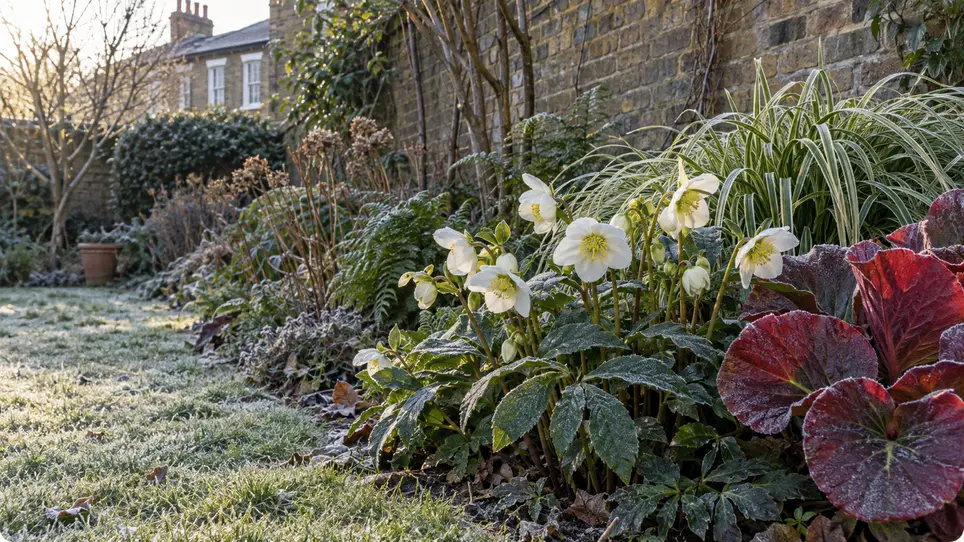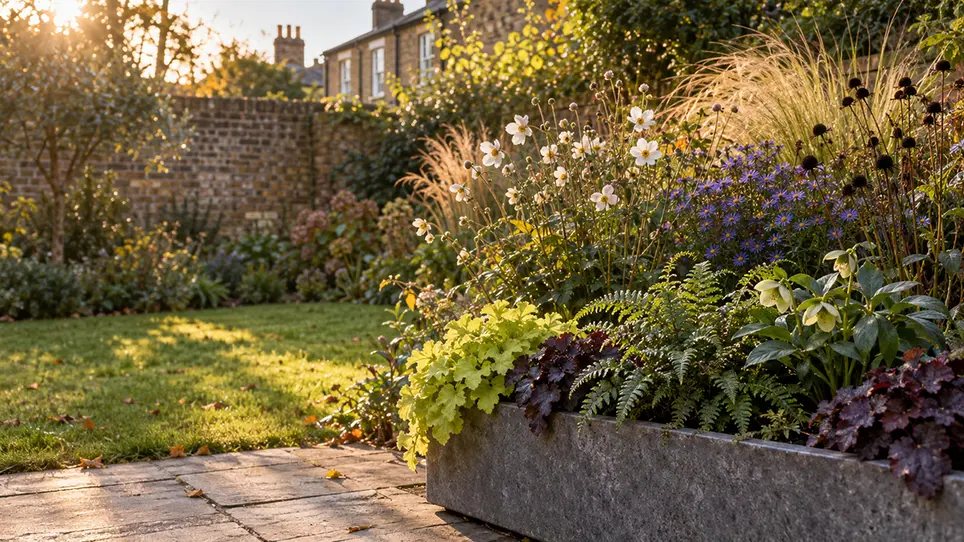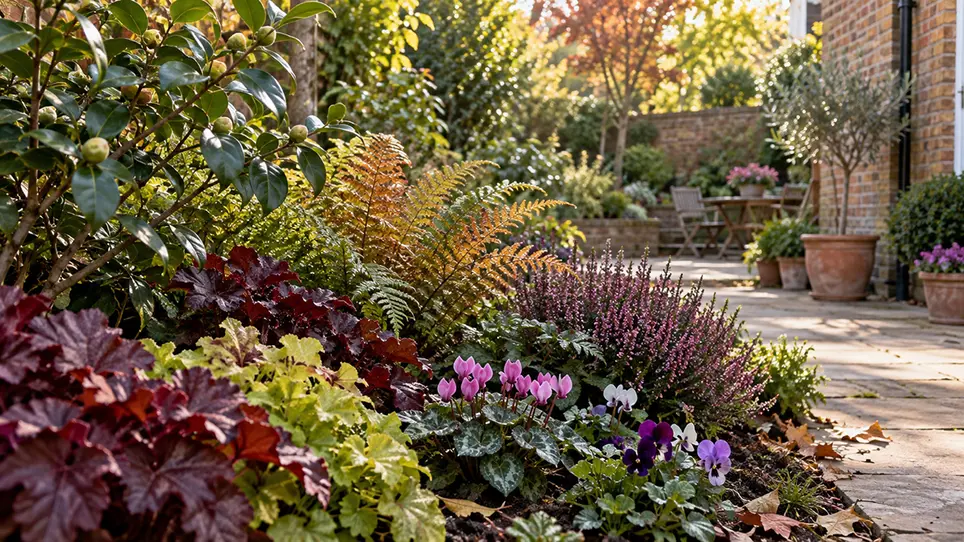


Winter in the UK presents unique challenges and opportunities for gardeners. It’s a time when gardens undergo rest, but this doesn’t mean maintenance stops. Boma Garden Centre offers valuable insights and products tailored for winter gardening, which is why we’ve put together this useful guide.
Winter is also the perfect time to plan and prepare for the coming gardening seasons. From protecting delicate plants from frost to ensuring your garden’s vitality, our range of products and guidance helps nurture a thriving winter garden. This article delves into essential winter garden maintenance tips, drawing from Boma’s expertise in the field.
For our full collection of winter plants and products, visit Boma Garden Centre in Kentish Town, London.
Boma’s Top Winter Gardening Tips For a Winter (& Spring) Wonderland
Protect plants from frost
Winter frosts can be harsh on garden plants in the UK. To protect them throughout December and January, it’s crucial to understand the proper techniques. Boma Garden Centre recommends using horticultural fleece or straw to insulate vulnerable plants. For added frost protection, consider using garden covers, poly tunnels, cold frames, or blankets to shield plants from cold and extend the growing season. This creates a barrier against the cold, reducing the risk of frostbite and ensuring your plants remain healthy through the winter months.
Additionally, consider moving potted plants to sheltered areas, such as a greenhouse or against a house wall, where they can enjoy some warmth and protection from extreme weather conditions. To further protect potted plants, wrap pots with bubble wrap, fleece, or hessian to insulate them from frost. Remember, timely preparation is key in preventing frost damage.
Protecting plants, especially winter plants, from harsh weather is essential—use appropriate winter plant covers and products to safeguard them from frost, snow, and wind.
Prune and trim
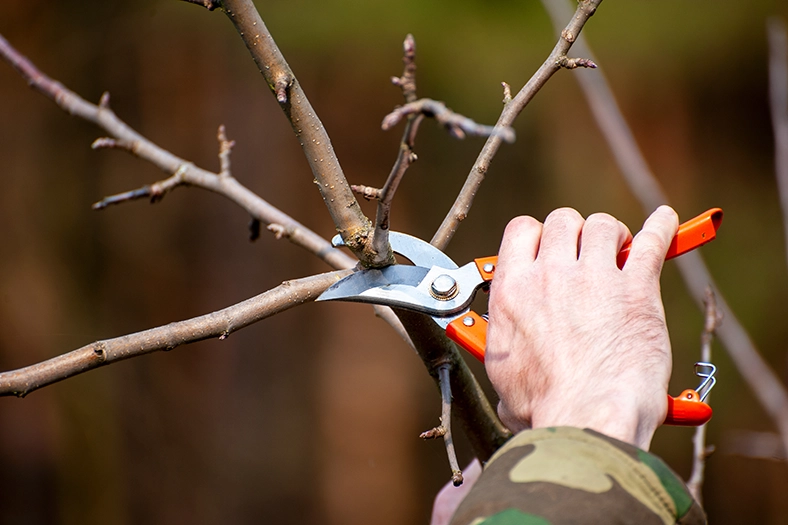
Winter is an ideal time for pruning and trimming many plants in the UK. This period of dormancy means less stress on plants when they are cut back. Winter pruning is especially important for fruit trees, such as apple trees, to maintain health and productivity. Focusing on deciduous trees and shrubs, as their structure is clearly visible in winter, making it easier to identify and remove any dead, diseased, or overcrowded branches with the right hand tools.
However, it’s important to research or seek advice on specific plants, as some, like spring-blooming shrubs, are best pruned after they flower. Apple trees benefit from proper winter pruning during dormancy. Proper pruning maintains plant health and encourages vibrant growth in spring.
Winter weeding
Weeding in winter is often overlooked, but it's vital for maintaining a healthy garden. During winter, weeds compete with your plants for limited resources, making it crucial to remove them. Boma Garden Centre emphasizes the importance of regular weeding, even in colder months. This not only keeps your garden tidy but also reduces the workload in spring.
Hand-pulling or using a hoe are effective methods for removing weeds, especially when the soil is moist. Regular weeding also helps prevent weed seeds from spreading, ensuring a cleaner garden for the upcoming growing season.
Take care of the lawn
Winter lawn care is essential for a lush, healthy garden come spring. During this time, reducing foot traffic on the grass is crucial to prevent damage to the wet soil and fragile grass. Boma Garden Centre advises clearing any leaves or debris to prevent mould and diseases. Also, avoid mowing the lawn in winter, as grass growth slows significantly. A light trim on a dry day can keep it tidy if necessary. These steps help ensure your lawn remains in good condition, ready for vigorous growth in the spring.
Support wildlife
Winter is a critical time for garden wildlife, and there are several ways to offer support. Boma Garden Centre suggests creating habitats for beneficial insects and animals. Leaving some garden areas wild with leaf piles and logs can provide shelter for insects and small mammals.
Urban wildlife thrives even in compact London gardens. In areas like Crouch End or East Finchley, where hedgehogs and robins are common, leaving leaf piles or seed heads over winter supports biodiversity.
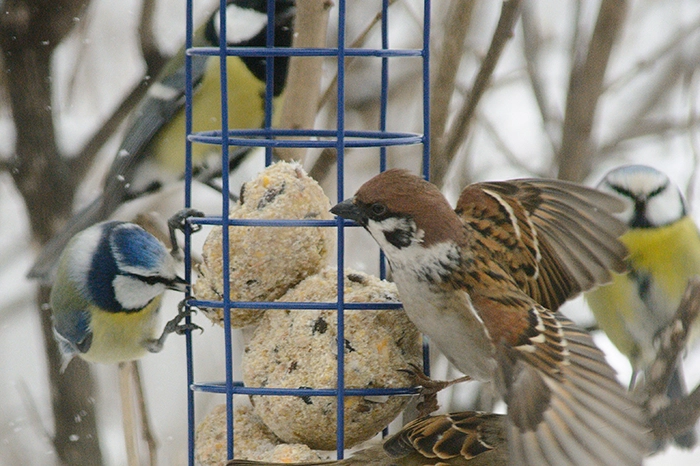
Also, consider installing bird feeders with bird feed and water baths to help garden birds who struggle to find food and water in colder months. It's especially important to provide fresh water for garden birds during winter, as natural sources may be frozen and inaccessible. These actions not only aid local wildlife but also contribute to a balanced ecosystem in your garden.
Prepare garden tools and equipment
Properly storing garden tools in winter is key to longevity and effectiveness. Boma Garden Centre recommends cleaning all tools to remove soil and debris, which can cause rust and deterioration. Make sure your garden fork is clean and ready for use, as it is essential for turning compost and maintaining soil health during winter. Sharpening blades and oiling metal parts can also prevent damage during the off-season.
It’s advisable to drain any remaining fuel for motorised equipment, as stale fuel can cause problems. Properly storing tools in a dry, secure place ensures they are in good condition and ready for use when spring arrives.
Plan for spring
Winter is an ideal time for gardeners to plan for spring. Use this quieter period to consider garden layouts, plant choices, and landscaping changes. Take the opportunity to browse seed catalogues to discover a wider variety of seeds for spring planting than you might find at large commercial garden centres. Boma Garden Centre offers a range of resources and products to inspire your spring garden.
Consider the addition of new plant varieties, and start seeds indoors to give your plants a head start before spring. You might also think about rearranging garden beds or implementing new garden features—be sure to consider water collection systems for sustainable garden management. Planning in winter allows for a well-thought-out approach, ensuring that once spring arrives, you can efficiently execute your gardening projects and enjoy a vibrant, flourishing garden.
Shop winter & spring bedding for local delivery (London M25)
What Are Winter Bloomers?
Winter bloomers are plants that, unlike most others, produce flowers during the cold winter months. Planting bulbs in autumn and winter is a great way to ensure winter colour and early spring blooms. Adapted to low temperatures and short days, they inject a splash of colour and vitality into gardens and landscapes when the natural surroundings often seem a bit sombre.
Winter bloomers include various types of plants, such as shrubs, trees, winter perennials, flowering bushes, and bulbs. Bulbs are a key group of plants for providing vibrant winter colour in the garden. They are a welcome addition to the garden, offering a beautiful spectacle of colour and form just when most other plants are at rest.
Top tip: Gardeners across North London will be familiar with the dense, moisture-holding London clay soil. Over winter, this soil can become easily waterlogged, so improve drainage by mixing in organic compost or grit before planting winter bloomers like hellebores or viburnums.
5 Best Winter-Flowering Garden Plants
As winter makes its entrance, it doesn’t signify the end of blooming splendour in your garden. Winter bloomers are the heroes of the cold season, bringing a touch of colour and life to the wintry environment. Consider using containers to create attractive winter displays and to protect delicate plants from harsh weather.
Including herbaceous perennials in your winter garden not only adds structure but also supports wildlife by providing shelter and food sources. Below you’ll learn more about five winter bloomers that will make your garden shine, even in the coldest months.
1: Japanese Camellia (Camellia japonica)

The Japanese Camellia is an elegant winter bloomer with large, lush flowers ranging from soft pink to deep red. The glossy green leaves create a beautiful contrast with the flowers, providing a striking visual effect. Plant this beauty in a sheltered spot with partial shade for an enchanting winter bloom.
2: Mahonia (Mahonia x media 'Winter Sun')

Mahonia is an evergreen shrub with fragrant yellow flowers that brighten up the winter. The Mahonia x media ‘Winter Sun’ not only adds colour to your garden but also attracts bees with its delightful scent. Plant Mahonia in a sunny to partial shade location and enjoy its beautiful bloom throughout the cold months.
3: Winter-flowering Viburnum (Viburnum bodnantense 'Dawn')

The winter-flowering Viburnum is a jewel in the garden during the winter months. With its fragrant pink flowers, this shrub brings a touch of romance and colour to the cold winter air. Plant it in a sunny to lightly shaded spot and enjoy the enchanting bloom.
4: Witch Hazel (Hamamelis)

The witch hazel is a true winter champion with its striking, spider-like flowers that appear on bare branches. This blooming shrub adds a touch of mystery and beauty to your winter garden—plant witch hazel in a sunny to partial shade location for an enchanting winter landscape.
5: Sweet Box (Sarcococca confusa)

The sweet box is a humble winter bloomer that produces delightfully scented flowers. Despite its modest size, this shrub brings a pleasant fragrance and a touch of elegance to your garden during the coldest months of the year. Plant the sweet box in a sheltered spot and enjoy its enchanting bloom.
How To Protect Your Winter Plants
Winter can be tough for many plants in our gardens, especially those that come from warmer climates. And even native hardy plants can use some help to get through cold, wet winter weather. Overwintering plants is essential—use a thick layer of mulch or organic matter to insulate roots and protect them from freezing temperatures. Here are our top tips on how to protect your plants this winter.
- Most plants don’t like sitting with their roots in cold, wet compost over winter, and if the compost in a pot gets waterlogged or frozen, it’s very likely the plants in it will die. Mediterranean plants like lavender especially hate sitting in cold, wet compost. To reduce the risk, raise pots up on pot feet to improve drainage.
- Plants that are hardy when planted in the ground may still struggle over winter when grown in pots, as their roots are more exposed to the cold. Give them extra protection in cold areas by wrapping pots in fleece or bubble wrap to insulate them against frost. Group pots together so that they help to insulate each other, with the hardiest plants on the edge of the group.
- Position tender plants near south-facing walls in North London gardens (from the sheltered backyards of Kentish Town to the breezier heights of Muswell Hill) to make the most of the city’s retained warmth, as temperature can vary dramatically.
- Tender plants like dahlias, gladioli and begonias die back in winter, but their tubers may survive winter in the ground in mild areas if given a thick mulch of straw. In cold regions, it’s best to dig up the tubers in late autumn, leave them somewhere to dry off for a couple of days, then brush off the dry soil and store the tubers in trays filled with compost in a cool, dry, frost-free place over winter. They can be replanted the following year.
- Banana plants have become very popular for tropical-style planting, but they need winter protection. After the first light frost, cut off all the leaves just above the top of the stem and wrap the whole plant in a layer of horticultural fleece covered by a layer of hessian. In cold areas, it’s worth building a wire frame around the plant once it’s been wrapped, packing the space between the plant and the frame with straw and covering the whole plant with a layer of plastic sheeting to keep off snow and rain.
- Move tender geraniums indoors before the first frosts and cut them back – this will encourage them to grow back bushier next year. Grow them on a sunny windowsill, and water sparingly, just enough to keep the compost moist.
- Apply a thick (5cm) layer of mulch to beds in late autumn or early winter. Using well rotted manure or other organic matter as mulch improves soil health, retains moisture, and protects plants from harsh winter conditions. This is especially important for overwintering plants and helps prepare the soil for new growth in spring.
- Planting bare root trees, shrubs, and fruit during the dormant season is also highly effective, as they establish well when planted in moist soil while inactive.
- Late winter is the perfect time to prune fruit trees, which encourages new growth and helps ensure a healthy crop in the coming season.
We have everything you need in our centres to take care of your plants over winter. Come in and see us – our friendly staff are always happy to help!
Purchase Winter-Blooming Plants in London
Embracing these winter garden maintenance tips will prepare your garden for the coming spring and enhance its year-round health and beauty. With our expertise and range of gardening products, Boma Garden Centre is a valuable resource for gardeners seeking to nurture their outdoor spaces, even in the colder months. By following this guidance, you can enjoy a vibrant and life-supporting garden throughout the winter, setting the stage for a flourishing and bountiful spring.
For the most beautiful winter bloomers, visit our garden centre in Kentish Town, London. Here, you'll find an extensive selection of these enchanting plants that will make your garden shine, even in winter.
Whether your garden sits on the steep slopes of Highgate or the terraced rooftops of Kentish Town, our team at Boma Garden Centre is here to help you overcome London clay and create a vibrant winter garden. Our knowledgeable staff is ready to advise you on the proper care of these beautiful winter bloomers. We warmly welcome you and wish you a colourful winter garden!
Shop winter & spring bedding for local delivery (London M25)
Boma Garden Centre · Kentish Town
Continue your planting journey with Boma
Explore curated plant collections, handmade pots & planters, and garden essentials, carefully chosen to help London's plant lovers create beautiful, thriving spaces.
Pots & Essentials
Independent garden centre · Expert plant advice · Local London delivery