


There are many reasons why autumn is the best time to garden and why it is a season loved by so many. Not least because of the glorious changes in the tree canopy, stunning early autumn sunsets, and warm days with blue skies but also because the soil is likely to be the ideal time for planting.
The temperatures are cool, but before it gets too cold is one of the best times of year to get planting in the garden. There will be more rainy days and chilly air, but autumn is a great time for nature walks, gardening and planning for the seasons ahead when the sun shines.
If you are wondering why autumn is the best time to plant new plants, we have the answers for you. As the leaves turn into the magical warm shades of autumn and bags of leaf mulch get collected to replenish the soil, it is a beautiful time to get outside in the garden.
Here are our top reasons why we think autumn is the best time to garden.
Why Autumn is Best For Gardening (9 Benefits)
While we’ve recently dived into comparisons around the best time of year to start planting your garden and what works best for different seasons, we had to give Autumn gardening its own spotlight here.
Perfect For Planting
Did you know that autumn is an excellent time of year to plant evergreens, fruit trees and bare root garden plants? There are so many plants that can be planted out during autumn to allow them to establish over winter that it is the ideal time of year. The soil will still be warm, there are likely to be far fewer pests, and before it gets too cold in winter or too hot in summer, your plants have the best chance to settle in and thrive.
For clay-heavy soils, as often found in London, incorporate plenty of organic matter such as well-rotted compost or leaf mould to enhance drainage and root health. This is especially critical for new plantings during autumn.
For inspiration on improving soil health, visit our mulch guide.
Super Spring Bulbs
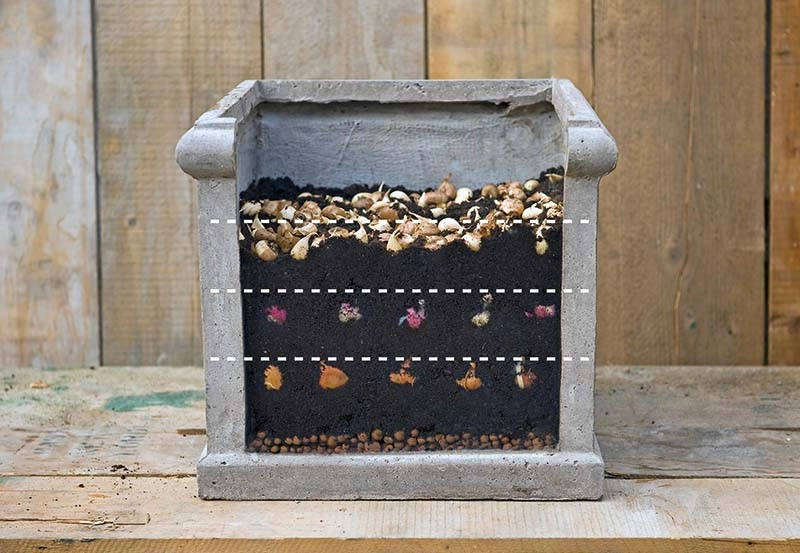
It’s impossible to resist planting out some spring bulbs. As autumn and winter keep us inside more, when the first spring bulbs pop through the soil, it feels like everyone has come out of hibernation. Autumn is the best time to plant spring bulbs such as daffodils, crocus, tulips and alliums. There are so many to choose from, colours, shapes, and sizes, so now is the time to get them planted.
Plant bulbs at two to three times their depth in well-drained soil for reliable spring colour. Mixing early-, mid-, and late-flowering bulbs ensures interest for weeks. Layering bulbs—“lasagne planting”—in deep pots uses space efficiently for a prolonged display. Add a dash of bone meal or bulb fertiliser to enhance root growth and make for a stunning spring garden.
Health and Happiness
When the weather turns cooler, we tend to go outside a little less. In fact, this is the time to make sure you do get outside because the fresh air can really lift your spirits. Gardening during autumn keeps your body active for physical exercise, and your mind is focused on preparing your garden for spring.
Seasonal garden tasks, such as clearing leaves or digging over borders, are ideal for gentle exercise and can help improve mobility and overall health. Exposure to natural daylight supports wellbeing and keeps circadian rhythms intact, especially as the days shorten.
Switching Up Plants
Autumn means you can split many plants and replant - meaning more plants. It’s a time to move plants around if you want to change anything in your garden and to remove any old summer annuals to be replaced with autumn and winter colours such as heathers, pansies, violas, cyclamen and ivy.
Dividing perennials not only refreshes overcrowded plants but invigorates borders. Replant divisions immediately into enriched soil, water well, and apply a light mulch. Replace tired bedding with robust, cold-tolerant options to keep patio containers and windowsills colourful even as temperatures drop.
For ideas on dividing plants and boosting beds, see our how to divide perennials blog.
More Relaxed
The months of frantically sowing and then enjoying all the harvests will calm down a little during autumn, but that doesn’t mean there isn’t anything to do in the garden - far from it - but it does mean you will get a bit more time to relax and make plans for your garden. Switch up plants and get planting with a selection of autumn plants from in store.
With less urgency, autumn is ideal for reviewing the successes and challenges of this year’s garden. Sketch plans for new borders, research plant combinations that thrive together, and visit garden centres like Boma to view inspiring displays and get ideas for the next growing season.
Pleasant Time of Year
Autumn is simply a fantastic season. It isn’t too hot and not too cold either. There are still sunny days with blue skies, and even harvests from the kitchen garden, including cut flowers. The colours change, but there is still plenty of interest in going outside and enjoying the fresh air.
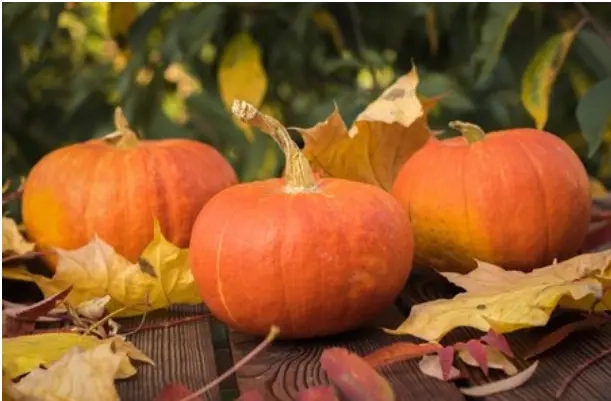
The garden’s palette shifts—late-flowering perennials such as asters and rudbeckia provide vibrant autumn colour, while ornamental grasses catch the early morning light. Pick late-season apples, grapes, and pumpkins for the kitchen, and bring in autumn branches indoors for natural decoration.
Soil Still Warm
Even though the air may be cooler, the soil is still warm enough for planting. If the ground is too cold, this can stunt growth or even kill the plant, but autumn has warm soil, meaning it is the perfect time for planting. Planting includes bare root perennials, potted perennials, trees and shrubs, plus spring flowering bulbs.
Warm soil encourages fast root development and minimises transplant shock. Make sure to mulch after planting to retain warmth and moisture through early winter for optimal establishment of new additions.
Less Water Needed
There will firstly be more rainfall, meaning you won’t have to get the watering can out so much, and planting during the colder months means fewer weeds competing with your new plants for water and nutrients. As the soil is still warm but not too hot and the weather isn’t too hot, your new plants won’t need so much water. In fact, some won’t need any at all.
Install water butts now to collect autumn rain. Irrigation can be reduced or even stopped—roots still grow, but surface evaporation is minimal. This eco-friendly approach also supports sustainable gardening in urban environments.
Time For Plants to Establish
Planting in autumn allows the plants several months to establish roots before it gets too hot and there are too many weeds, making these plants stronger, more drought-tolerant, and better anchored.
If you plant out at this time of year and use a good quality organic mulch around the base of the plant, this can help with not just water retention but also keep weeds at bay. A deep layer of composted bark or leaf mould stabilises soil moisture, insulates roots from harsh weather, and provides a slow-release nutrient source as it breaks down. This savvy preparatory step ensures lush, resilient growth come spring.
For full details on the top autumn gardening jobs and plants for autumn, check out our Autumn Gardening Tips guide.
Autumn Plant Success Table for Key North London Suburbs
North London contains a rich tapestry of gardens—from leafy Hampstead and Finchley to the compact terraces of Camden, Belsize Park, and Muswell Hill—each suburb offering unique benefits, conditions and opportunities for successful autumn gardening.
Here’s a quick breakdown:
| Suburb | Typical Garden Type | Key Autumn Plant Choices | Expert Advice |
|---|---|---|---|
| Hampstead | Large, clay, woodland | Viburnum, Mahonia, Japanese Maple | Deep mulch, underplant mature trees, wildlife |
| Highgate | Courtyard, shaded | Ferns, Cyclamen, Hellebores, Ivy | Focus on vertical planting and bulb layering |
| Finchley/Muswell | Exposed, roof, windy | Stipa, fescue, bay laurel, conifers | Wind protection, raised containers, drainage |
| Camden/Belsize | Balcony, patio, compact | Skimmia, Pittosporum, heuchera, ivy | Multi-tier pots; grouped displays for humidity |
| St John’s Wood | Classic lawn and borders | Colchicum, ornamental grasses, crocus | Aerate, scarify lawn; soft perennial borders |
Plant Your Perfect Autumn Garden with Boma
Autumn is an all-round great month to enjoy the garden and settle in new plants, ready for the growing seasons ahead. For autumn plants and tools, get in touch and plan your garden.
Visit Boma Garden Centre for curated displays featuring the best autumn-planting perennials, trees, and bulbs—designed for London’s unique gardening conditions. Grab a tailored consultation for our Garden Planting Services, get seasonal planting inspiration and take home everything needed from compost and mulch to container plants, all under one roof for a truly expert-approved autumn makeover.
For the most rewarding results, make autumn your primary season for garden enhancement, planting projects, and creative inspiration. Every action taken now brings tangible rewards, sustained health, and a more beautiful landscape just months away.
Autumn Gardening Benefits: Frequently Asked Questions
Why is autumn the ideal season for planting and soil improvement?
Autumn offers perfect conditions for soil preparation in flower beds and raised beds: the soil remains warm while the cooler weather makes it easier to work outdoors. Adding garden compost or potting compost now boosts soil fertility, giving next year’s plants a head start. The winter months break down organic matter, enriching the soil by early spring.
How does autumn planting benefit young plants and tender plants?
Planting young plants and even some tender plants in autumn allows roots to establish before the cold weather sets in. With fewer pests and less competition from weeds, autumn planting leads to stronger, more resilient growth in late spring. Mulching around plants with wood chips or compost helps them survive the winter months and prepares them for mid spring flourishing.
What makes autumn lawn care and use of fallen leaves so beneficial?
Autumn lawn care tasks, such as clearing fallen leaves and applying compost, prepare your lawn for the winter months and support healthier regrowth in early spring. Leaving some leaves and seed heads can also create wildlife habitats and improve soil fertility over the few weeks of decomposition.