

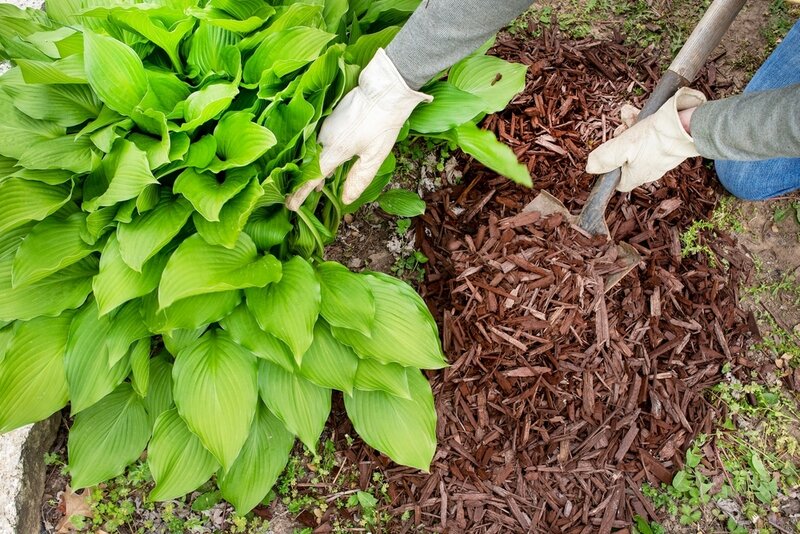
You can reduce weeds with mulch at most times of the year, but there are preferable seasons to help control weeds. In fact, mulch can be many different materials used for feeding the soil, decorative purposes, or just to cover an area ahead of a redesign. With so many options available to mulch in your garden or on your allotment, we have put together a list that will help you decide which to use.
- Woodchip
- Organic matter
- Straw / Hay
- Leaves
- Grass clippings
Reduce weeds with mulch and use wood chip
You can use wood chips that both tidy up pathways and borders, helping to keep the weeds down. Woodchip matches any style garden, but if you are going to be digging a lot (such as on an allotment), you might want to keep the wood chip on the pathways instead of in the soil, so it doesn’t get in the way. You can buy bags of wood chips or ask a local tree care company.
Organic matter can reduce weeds with mulch
This can include animal manure or homemade compost. All can be used to keep weeds down in garden borders and vegetable gardens. Each has various benefits, such as animal manures will feed the soil, most will help retain moisture, but nothing beats homemade compost. You can use your own compost bins for garden and kitchen food waste and make your own, which is immensely satisfying! There are also mulches available that are made solely from plants and will also provide your soil with nutrients.
Use straw or hay to reduce weeds with mulch
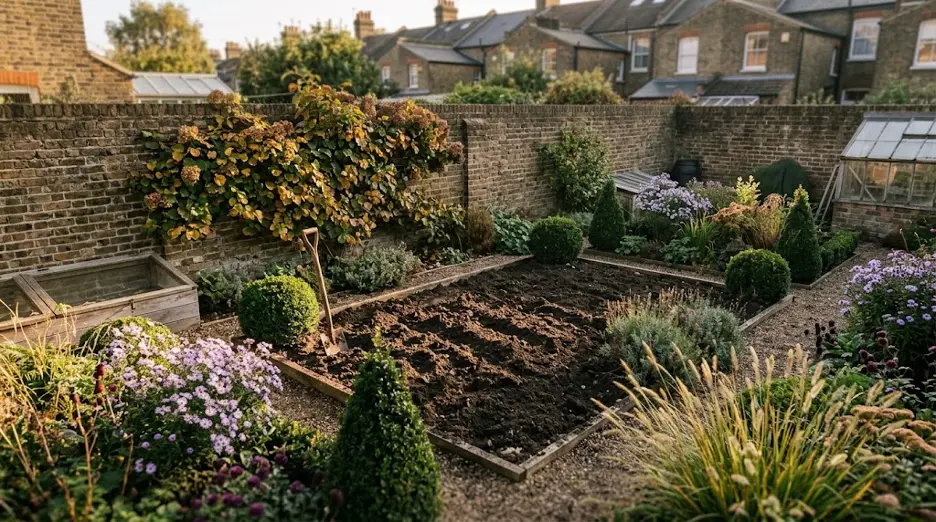
Vegetable and fruit beds can be mulched with straw or hay as long as they are weed and seed free. It can really give a vegetable garden a great look, and as it breaks down, it will feed the soil. Please keep it away from stems/trunks as slugs and snails do tend to hide underneath.
Reduce weeds with mulch and use your grass cuttings
When you have mown your lawn, the clippings can then be used to mulch vegetable beds. They will be full of nitrogen and feed the soil while excluding light from the weeds to stop them from growing.
Mulching keeps the garden not only looking neat but also replenishes the soil and helps to retain moisture. It can also improve the structure of the soil as well.
Visit our centre in London and choose from our mulches in store. Get started in the garden and apply mulch.