

When you see your plants being devoured by slugs or your roses covered in aphids, the pesticide spray is easy to reach, but this isn’t necessarily the best for your garden. Pesticides don’t only kill pests; they also affect beneficial insects like butterflies and bees. Organic pest control uses a range of methods to control garden pests without the use of synthetic chemicals. You might need to learn to live with a few nibbled leaves along the way, but on the plus side, you’ll have a far more biodiverse garden with a healthy ecosystem. Here are our top tips on organic pest control.
Top tips on organic pest control
Here are seven tips to control pests and diseases in the garden in an organic way:
-
Strong plants can fight off pests and diseases better, so start by feeding your soil and adding well-rotted farmyard manure or garden compost to improve its structure and nutrient levels. Also, choose plants that suit your garden’s soil and sunlight conditions, so they won’t have to struggle to survive.
-
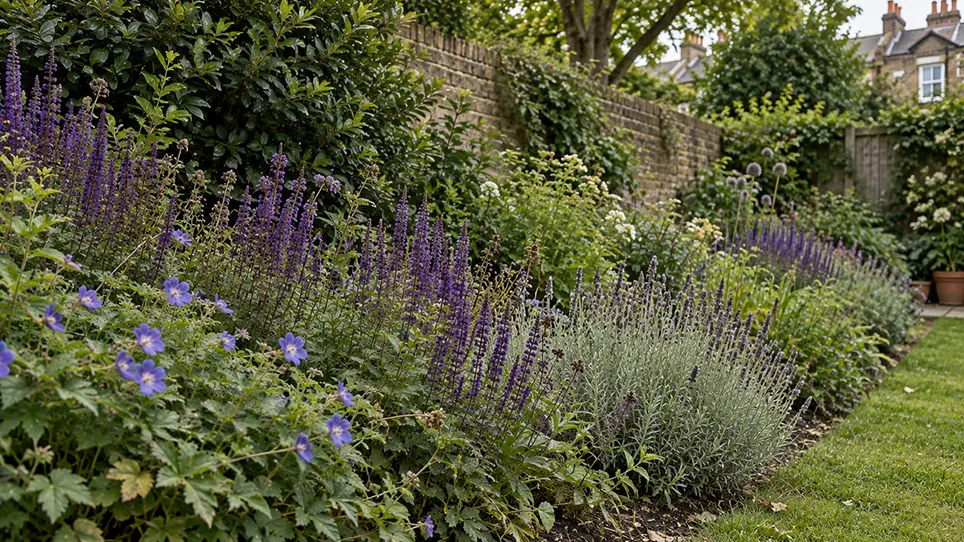
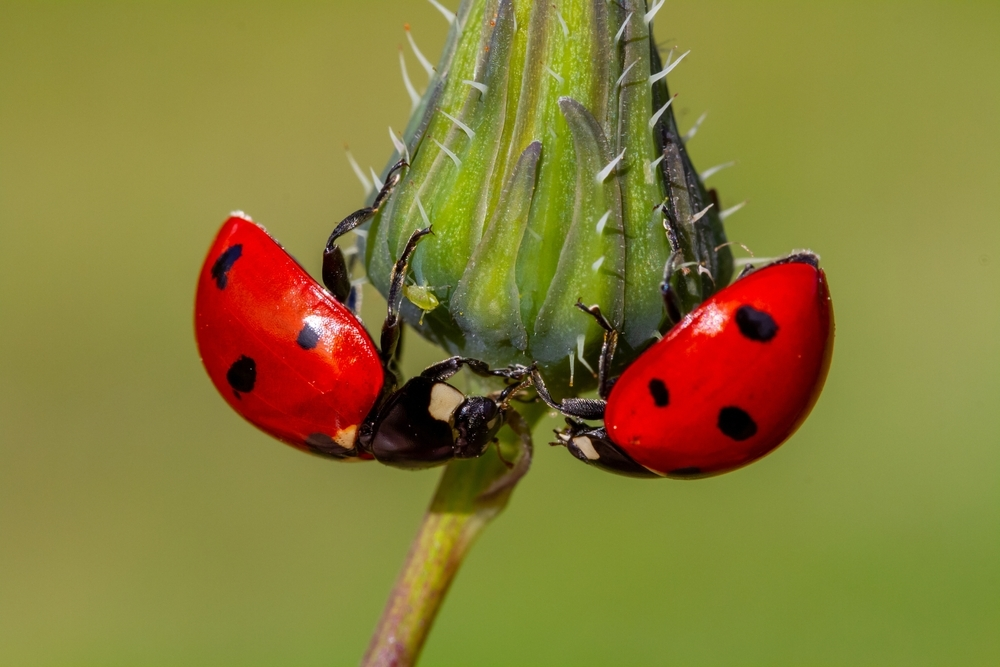
Encourage beneficial insects like ladybirds and hoverflies to make their homes in your garden by planting the flowers they feed on, especially umbellifers like coriander, yarrow and fennel. The larvae of these insects eat huge quantities of aphids.
-
Companion planting can help control garden pests in conjunction with other measures. Plant chives near carrots – their scent masks the scent of the carrots, reducing the risk of carrot flies. Similarly, the smell of French marigolds helps repel whitefly, protecting greenhouse-grown plants like tomatoes.
-
Birds eat a massive quantity of caterpillars, bugs, and slug eggs so a bird-friendly garden will boost your organic pest control regime. Put up feeders and plant berry-bearing shrubs to encourage birds to visit your garden. Mature ivy is great for small birds, providing berries for food in winter as well as shelter and a nesting place.
-
A garden pond will attract birds who come to drink and bathe, as well as frogs, toads and other amphibians that eat insects and young slugs, helping to keep the pest population under control.
-
Controlling slugs and snails is an ongoing battle for most gardeners. The most effective solution is an evening patrol of your most at-risk plants with a torch and a bucket to collect the pests. If you’re planning to release them, take them at least 20m away, so they can’t find their way back. A wide barrier of crushed eggshells or gravel around plants can also deter slugs and snails, as can copper tape around the rims of pots.
-
If natural methods don’t work, organic pesticides are available. These are made with naturally occurring chemicals or substances rather than synthetic chemicals. However, like other pesticides, they can’t discriminate between ‘good’ bugs and ‘bad’ ones, so they should be a last resort for organic gardeners.
Our centre has a wide range of solutions to help you tackle all your gardening challenges. Pay us a visit soon – our friendly staff are always happy to help!