

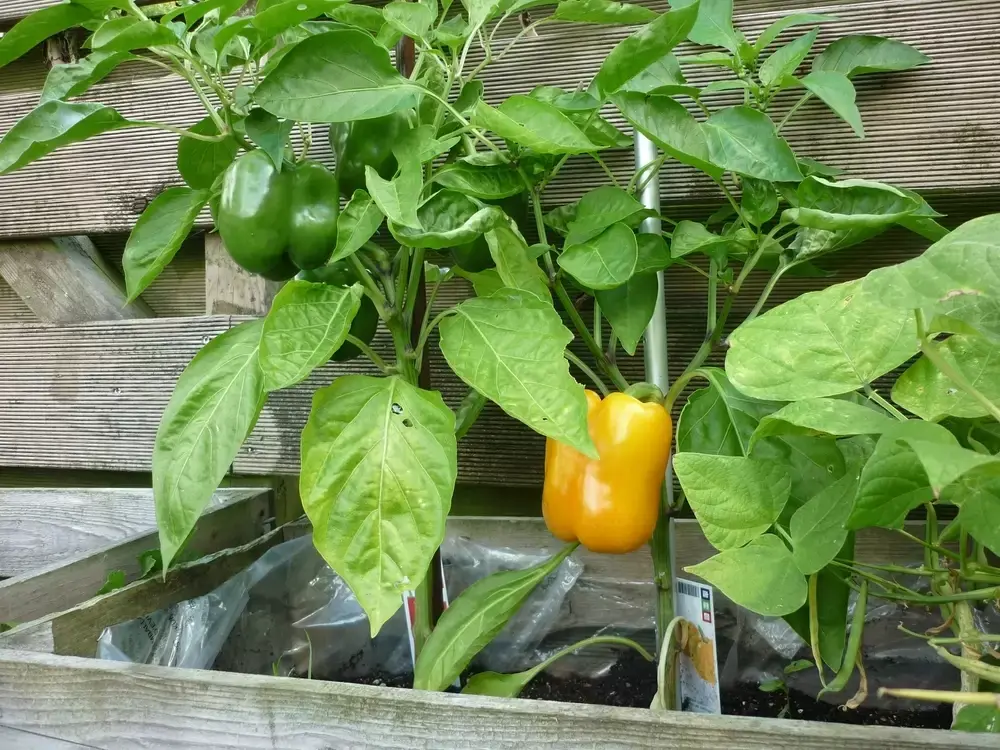
Nothing beats the taste of your own home-grown vegetables, fresh-picked and still warm from the sun. You don’t even need a garden to grow your own food – many vegetables will grow happily in a pot on a patio or balcony, and you can even grow salad and herbs on a sunny windowsill. If you’re new to vegetable growing, here are some tips to get you started.
Soil and sunlight
First, think about how much sun your garden, patio or balcony gets during an average summer’s day. Most vegetables need at least 6 hours of sun per day, but you can still grow vegetables in a shady garden if you choose the right ones.
Next, get to know your soil. If you’re planting vegetables in the ground, you need to know whether your soil is light sandy, heavy clay or somewhere in between. Dig a hole with a trowel and take a handful of the soil you’ve dug up. Dampen it with water and try to roll it between your palms. Sandy soils feel gritty and won’t stick together, while clay soils are sticky when wet and can be easily moved into a thin sausage shape. You can also test your soil pH (its acidity or alkalinity) with a soil test kit – these are readily available and easy to use.
Vegetable gardening tools
All jobs are more manageable when you have the right tools. Here’s a short list of some of the most useful garden tools for vegetable growers:
- A garden spade and fork with long, sturdy handles for digging over your beds to clear weeds and stones before planting and digging in organic matter such as farmyard manure to improve the soil.
- A hand fork for weeding.
- A hand trowel for digging small holes when planting out seedlings.
- Gardening gloves to protect your hands.
- A watering can or a hose (depending on the size of your garden) to keep your plants watered during dry spells.
- Snips or secateurs for harvesting your crops.
Choosing which vegetables to grow
Once you know your soil type and how much sun your garden gets, it’s time to decide what to grow. Choose vegetables that are suited to your garden’s conditions, so you’re more likely to get vigorous, healthy plants and a good harvest. And remember, there’s no point in growing many vegetables that no one likes, so focus on growing the vegetables you enjoy eating.
Vegetables for pots:
- Tomato ‘Tumbling Tom’
- Dwarf runner bean ‘Hestia’
- Dwarf French beans ‘Purple Teepee’ and ‘Safari’
- Salad leaves
- Early potatoes
Vegetables for part shade:
- Chard
- Kale
- Leeks
- Lettuce
Vegetables for clay soils:
- French beans
- Cabbage
- Pumpkins
Vegetables for sandy soils:
- Carrots
- Beetroot
- Radishes
Visit our centre and get your vegetable garden started today! We have a fantastic range of vegetable seeds and plants, and our friendly staff are always happy to help and advise.