

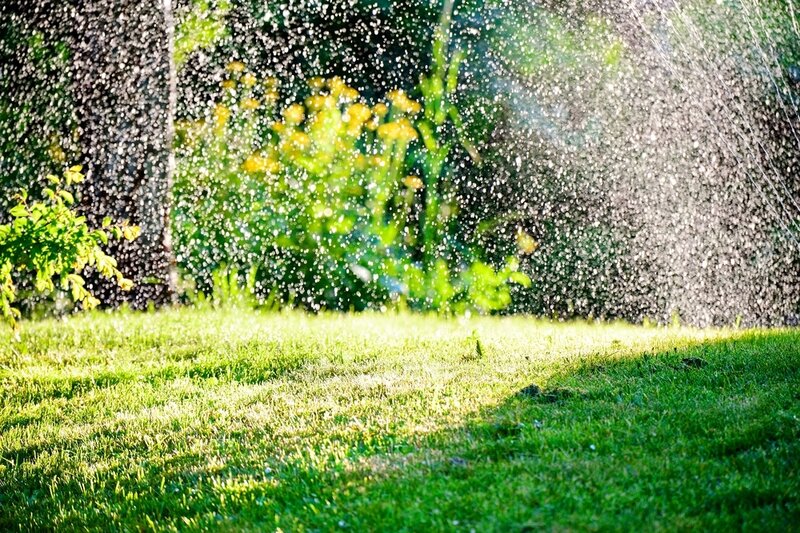
We all know how important it is to water our gardens, especially when the weather is hot. But it’s just as important to water effectively so that the plants get the right amount of water with as little waste as possible. Our top tips will help you use water well in your garden.
How to water your plants during a heatwave?
-
Water in the morning or the evening so that the water soaks into the soil while the temperature is cool and doesn’t evaporate.
-
For plants grown in the ground, it’s always better to water thoroughly and less frequently than little and often. If you only water the soil's surface, plants’ roots will stay shallow as this is where the water is. This makes them more vulnerable to drying out in hot, dry periods. A thorough watering allows water to soak deep into the soil, encouraging the plants' roots to grow deeper and make the plant more resilient to drought.
-
Containers dry out quickly in the heat, so they need watering regularly in hot weather. A layer of decorative pebbles or gravel covering the surface of the compost can help to retain moisture. When planting hanging baskets, mix in some water-retaining granules with the compost. These soak up water and release it gradually into the compost to stay moist longer, even in hot, dry periods.
-
If you live in an area of the country prone to long dry periods in summer, grow drought-tolerant plants that will cope well with those conditions with no need for extra watering. Succulents like sedums and sempervivums, or Mediterranean plants like lavender, rosemary and cistus, are all drought-tolerant as well as beautiful.
-
When growing very thirsty vegetables like courgettes, provide a reservoir next to each plant. Cut a plastic water bottle or milk container in half, remove the cap and bury the top half upside down in the ground next to each plant (ideally, do this when first sowing the seeds or planting the seedlings). To water the plants, fill the reservoir with water, and it will soak out underground, delivering water right to the plant's roots.
-
One of the best long-term ways to make your garden drought-resistant is to improve the soil. Adding organic material like compost or leafmould improves soil structure, helping heavy soils drain better and lighter soils retain moisture for longer. The simplest way to do this is to mulch beds with a 5cm (2in) layer of compost, manure or leafmould in autumn and allow worms and other soil organisms to work it into the soil.
-
Don’t water lawns in short heatwaves. Although the grass may go brown and look dead, it will bounce back quickly as soon as more rain comes.
From watering cans and hose reels to soil improvers and drought-tolerant plants, you’ll find everything you need in our centres, so visit us soon!