

Your garden’s wildlife needs your help! With many insect and bird populations struggling, we need to do everything we can to support the creatures that share our gardens. Here are our top tips on creating a wildlife habitat in your back garden.
1. Mow your lawn less frequently
Studies show that reducing mowing to just once a month allows low-growing flowers like daisies, clover, self-heal and creeping buttercup to flourish, providing valuable support for bees and other pollinators.
2. Weed less
Don’t be too quick to pull up weeds. Dandelion flowers are one of the top early food sources for bees in spring, and the seeds provide food for small birds like goldfinches. Nettles provide food for the larvae of many of our best-loved butterflies, including Peacocks, Red Admirals and small Tortoiseshells.
3. Make a log pile
Leave a pile of old logs in your garden, and all sorts of creatures will make their home in it, from insects and centipedes to overwintering frogs and toads. A log pile will also attract small mammals and birds that prey on the residents of the pile, boosting your garden’s biodiversity enormously. Use logs with the bark still on whenever possible, as many creatures make homes under the bark. Site your log pile somewhere semi-shady so that it stays cool and damp, allowing the wood to decay gradually.
4. Make a pond
Adding water to a garden is one of the best ways to support wildlife. Even a small pond will quickly provide a habitat for insects like pondskaters and diving beetles, and in larger ponds these might be followed by damselflies and even amphibians like frogs, newts and toads. You can make a small pond in a large bucket or basin, planted up with two or three aquatic plants and a few rocks to give wildlife a way of getting safely in and out. Put your pond where it will get some sun to warm the water and a little shade to keep the algae down.
5. Plant for pollinators
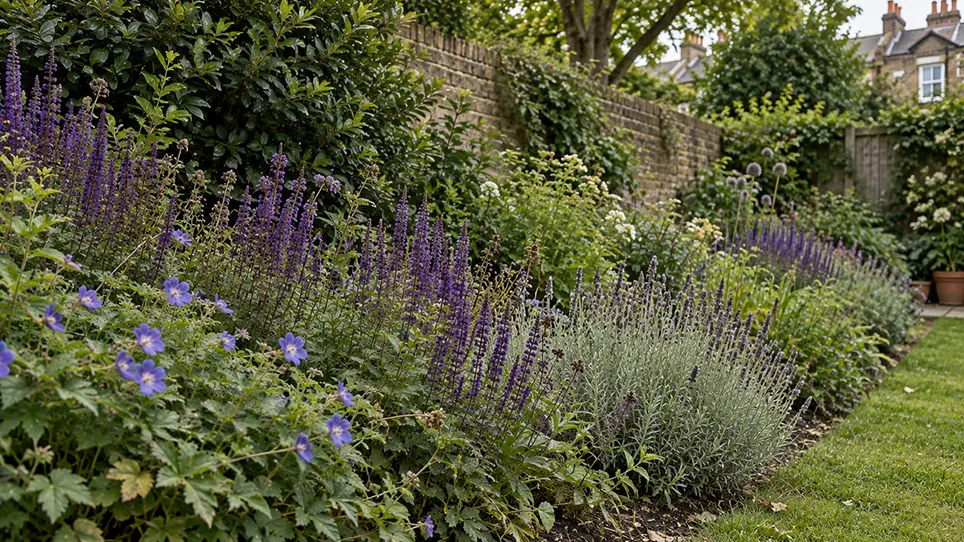
When choosing plants for your garden, try to have something in flower for most of the year. Crocuses are an excellent nectar source in early spring, and ivy and mahonia provide food for pollinators in autumn and winter. Avoid multi-petalled or double flowers if possible, as these are harder for pollinators to get into.
6. Feed the birds
Provide a habitat for birds by planting shrubs and trees to provide them with food and shelter. Ivy is a good choice, with berries for food in autumn and thick evergreen foliage for cover. Holly also makes a good habitat for birds, as do berry-bearing trees like hawthorn and rowan. And don’t forget to keep bird feeders and birdbaths clean and topped up.
Whether it’s wildlife-friendly plants or wildflower seeds, you’ll find what you need in our centres, so visit us soon. Our friendly staff are always happy to help.