

Our gardens are hugely important habitats for wildlife, providing food and shelter to a wide range of creatures from birds and bees to bugs and worms. A wildlife-friendly garden is good for gardeners, with birds and beneficial insects helping keep pests under control. We’ve put together 6 top tips to help you attract more wildlife to your garden. Discover how to create a wildlife-friendly garden, and help butterflies, birds and bees survive.
Six tips to transform your garden into a wildlife paradise
-
Plant shrubs and trees to bring more birds into your garden. Evergreen shrubs provide much-needed winter shelter for birds, thorny plants give protection against predators, and berry-bearing shrubs and trees are a welcome source of food. Holly, hawthorn, crab apples and pyracantha are excellent bird-friendly plants to add to your garden.
-
Put up a few bird feeders near shrubs or trees to give birds a quick escape route if cats or other predators appear. Keep your feeders topped up to encourage birds to make regular visits. Ground-feeders like robins and blackbirds will feed off bird tables and enjoy mealworms, seeds and fruit, while tits and finches flock to hanging seed feeders.
-
Flowers that produce seed heads, such as rudbeckia, echinacea, teasels and sunflowers, are great for attracting small birds. Even the occasional dandelion is suitable for a wildlife garden, as bees love the nectar, and goldfinches will happily eat the fluffy seeds.
-
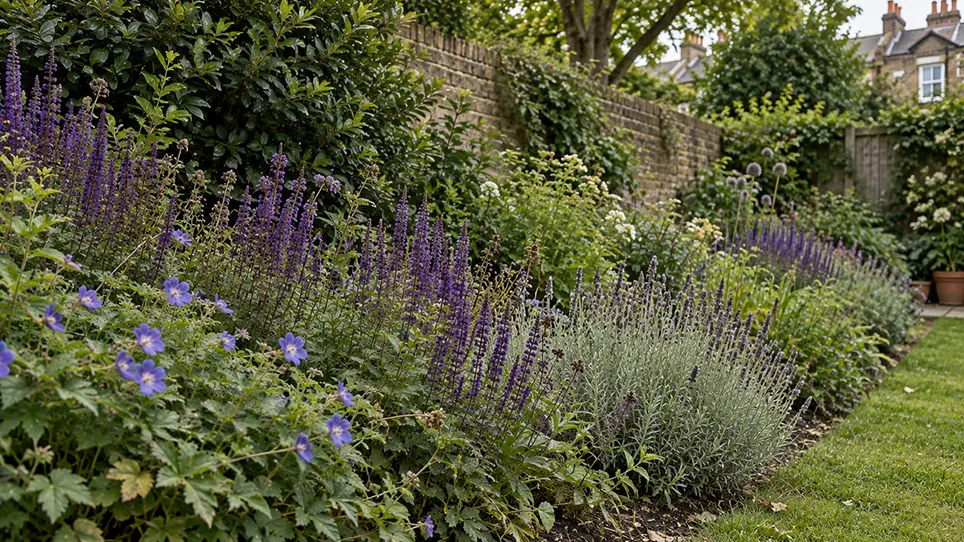
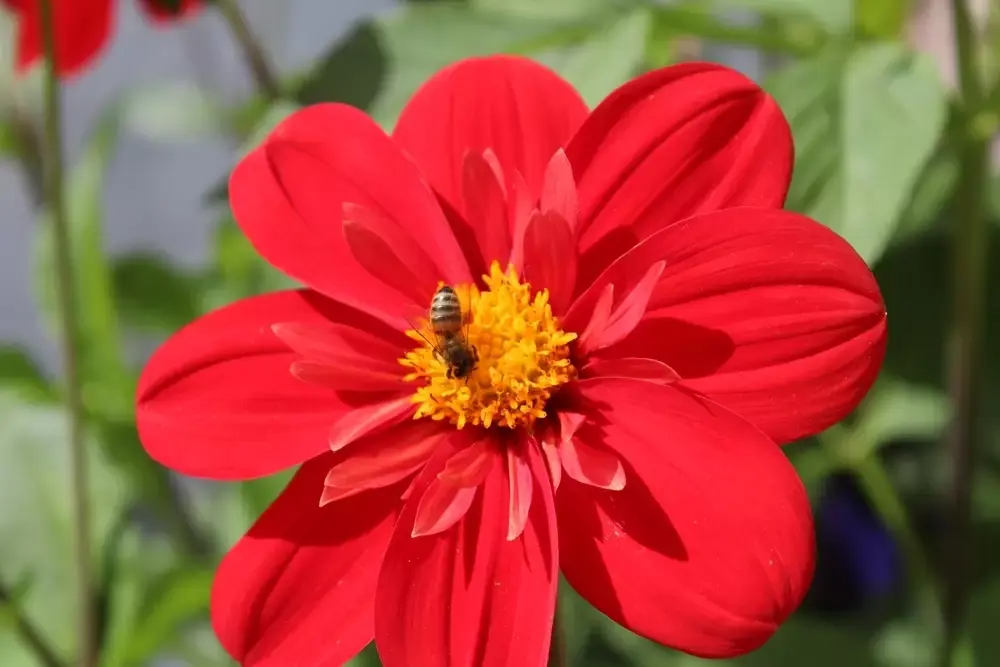
Fill your garden with plenty of pollinator-friendly flowers. Flowers with open centres, like daisies and single dahlias, make it easy for bees and other pollinators to reach the nectar at the centre. Umbellifers like Achillea, Anthriscus and even coriander with their flattened flowerheads are very popular with beneficial insects like ladybirds and hoverflies. Aim to have something flowering every month of the year to provide food for pollinators. Ivy is great for late autumn, and Sarcococca (Christmas box), mahonia and crocuses will feed early foraging insects from January through to March.
-
Ponds are fantastic for attracting wildlife. Site your pond so that at least part of it gets full sun, and include a ramp or rocks placed so that visiting wildlife can quickly get in and out without drowning. If you can’t dig a pond in your garden, you can create one in a large container such as an old tin bath or a big, deep washing-up bowl. Fill it with water, add a couple of pond plants and place a few rocks around the edge to disguise it and provide an access route for wildlife.
-
Keep an area of grass unmown between March-April and August-September to provide a habitat for spiders and insects. This will also allow nectar-rich wildflowers like clover, ox-eye daisies and hawkbit to grow, providing extra food for pollinators.
Get everything you need at our garden centre in London
Do you want to attract more wildlife to your garden and increase biodiversity in your area? You’ll find a fantastic range of wildlife-friendly plants and flowers, bird feeders, insect hotels, etc., at our centre, so come in and see us soon!