

Hardiness zones can help London gardeners think about cold tolerance, but they’re only a starting point. They don’t fully capture London’s microclimates, urban heat, winter wet, or the timing of cold snaps, all of which strongly influence whether a plant will actually survive here.
This article explores what hardiness zones are, the different systems used, why a single zone oversimplifies London gardens, and how to work with hardiness zones, amongst other factors, to ensure a healthy and hardy garden year-round in London.
Plant hardiness and hardiness zones
Plant hardiness describes a plant’s ability to survive adverse growing conditions—most notably cold winter temperatures. A plant’s hardiness determines whether it can withstand the typical lowest temperatures in a given area without injury or death.
A hardiness zone groups areas with similar minimum winter temperatures, averaged over many years. These zones help gardeners and growers understand which plants are most likely to thrive in their local climate.
In the United Kingdom, gardeners use the Royal Horticultural Society (RHS) hardiness scale, which runs from H1 (very tender, cannot tolerate frost) to H7 (very hardy, tolerates below -20 °C). These classes are defined by the likely minimum winter temperatures and give a quick indication of plant hardiness.
The RHS scale offers a more locally relevant guide than the USDA plant hardiness zone maps, which were developed for the United States Department of Agriculture and are still sometimes used internationally.
RHS hardiness ratings vs USDA hardiness zones
Below is the approximate comparison between UK RHS hardiness ratings and USDA hardiness zones.
| Rating | Temperature Range °C | Category | Description | Approx. USDA Zone |
|---|---|---|---|---|
| H1a | Above 15 °C | Heated Glasshouse – Tropical | Must be kept indoors or in a heated glasshouse all year. Suited to consistently warm, tropical conditions. | 13 |
| H1b | 10–15 °C | Heated Glasshouse – Subtropical | Can be placed outdoors in summer if sheltered and sunny, but generally thrives indoors or under glass throughout the year. | 12 |
| H1c | 5–10 °C | Heated Glasshouse – Warm Temperate | Suitable for outdoor growth during summer across much of the UK when daytime warmth supports active growth. | 11 |
| H2 | 1–5 °C | Tender – Cool or Frost-Free Glasshouse | Can tolerate chilly conditions but not freezing. Requires protection in winter unless in mild urban or coastal areas; move outside once frost danger passes. | 10b |
| H3 | -5 – 1 °C | Half-Hardy – Unheated Glasshouse / Mild Winter | Survives mild or coastal winters but vulnerable to hard or early frosts. May overwinter with wall shelter, microclimate advantage, or added protection. | 9b / 10a |
| H4 | -10 – -5 °C (14 – 23 °F) | Hardy – Average Winter | Hardy across most of the UK, excluding colder northern and high-altitude regions. May lose foliage or branch tips in severe winters; container plants are more at risk. | 8b / 9a |
| H5 | -15 – -10 °C (5 – 14 °F) | Hardy – Cold Winter | Withstands most UK winters but may struggle in exposed or central northern sites. Evergreen foliage and potted specimens can suffer damage during deep frost. | 7b / 8a |
| H6 | -20 – -15 °C (-4 – 5 °F) | Hardy – Very Cold Winter | Fully hardy throughout Britain and northern Europe. Plants grown in containers require some protection to prevent root damage. | 6b / 7a |
| H7 | Below -20 °C (< -4 °F) | Very Hardy | Endures extreme cold typical of continental Europe and exposed upland regions of the UK. | 6a – 1 |
What hardiness zone is London?
According to UK data and climate averages, most of London’s gardens sit between RHS H4 and H6: plants hardy down to roughly -10 °C to -20 °C are usually safe through an average winter. However, a single hardiness zone oversimplifies London’s complex microclimate variations, which can make neighbouring gardens behave quite differently.
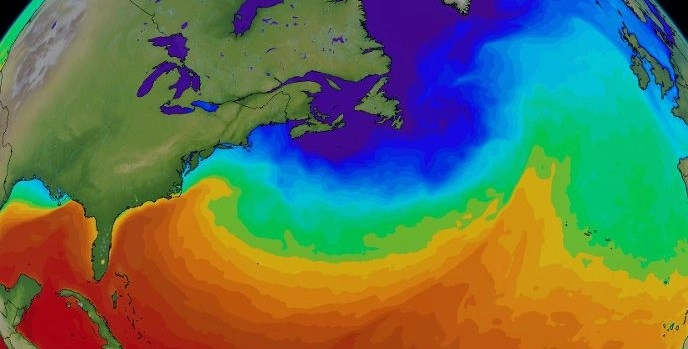
If translated into USDA plant hardiness zones, much of London would roughly correspond to around a Zone 9a, but UK gardeners will find the RHS hardiness rating a better reflection of real conditions. London’s temperate maritime climate, influenced by the Gulf Stream, keeps average winter temperatures relatively mild, often just above freezing at night.
Inner London’s urban heat island makes the city centre effectively a milder zone, while outer and more exposed upland locations such as parts of North or Greater London can experience colder winter temperatures and may need slightly hardier plants.
Source: MetOffice
Why a single zone oversimplifies London
A hardiness rating is not a geographic label like “South‑East England,” but a statistical measure of temperature extremes. It doesn’t account for:
- How often those cold spells occur
- How long they last, or
- Whether they strike early or late in the growing season
All of these factors are crucial for plant survival. Micro‑climates across the city can make neighbouring gardens behave like different UK hardiness zones.
Sheltered locations, coastal areas, and densely built neighbourhoods appreciate extra warmth and less frost, while inland areas or open suburban gardens can face harsher frost pockets and cold air pooling. In London, more plants are lost to winter wet and poorly drained soil than to absolute cold winter temperatures.
What hardiness really means in London gardens
For UK gardeners, a “hardy” plant means it can cope with short spells a few degrees below freezing, typical winter months light levels, and persistent damp rather than extreme frost. Many RHS H5 or H6 shrubs, climbers and perennials cope well in London gardens if the soil is free‑draining. Duration matters: a single cold night seldom kills, but repeated freezes or waterlogged soils in low temperatures can cause foliage damage.
Sheltered inner‑London courtyards and balconies
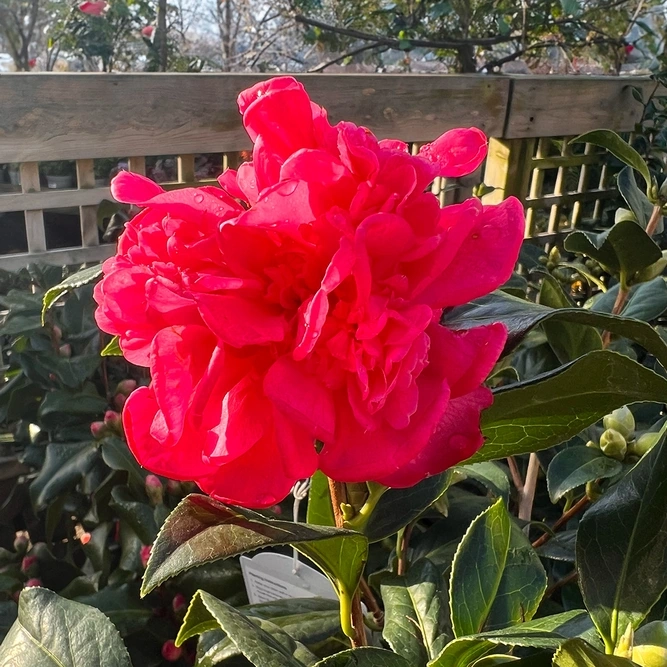
In enclosed, south‑facing courtyards and balconies in central areas, hardiness zones effectively shift a notch “warmer”, so you can often experiment with slightly more tender, marginal plants such as camellias or figs, as long as they're in free‑draining containers.
Here, an RHS H4-H5 rating is often enough for year‑round planting, with H1-H3 plants treated as seasonal container displays or brought indoors for winter.
Typical suburban back gardens
In most suburban London back gardens, RHS H5-H6 plants are the backbone of reliable structure, comfortably handling average winter lows while still needing help with drainage on heavier soils.
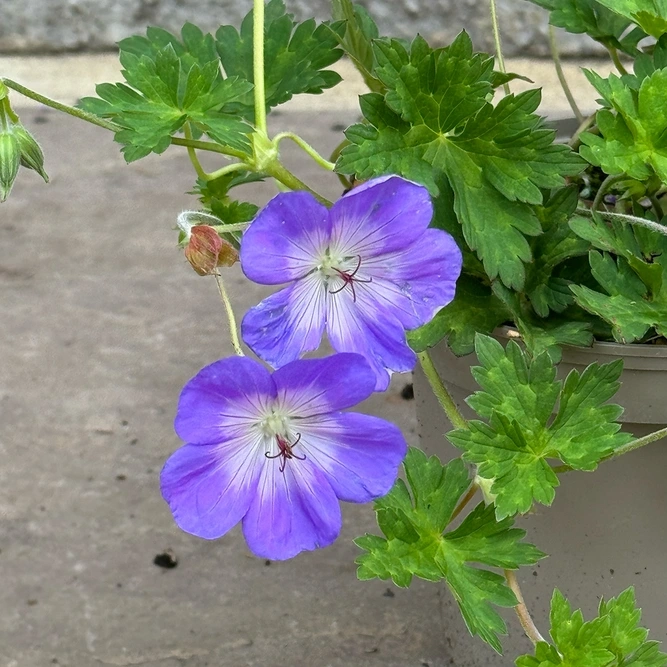
Think David Austin roses, hardy geraniums, pittosporum, and skimmia; plants that recover quickly from the occasional −5 °C night and provide year-round interest.
Use hardiness zones as a filter to choose plants rated a little tougher than your expected minimum temperatures, then fine‑tune placement so less hardy plants sit near warm house walls and more robust, H6-H7 choices take the exposed spots.
Exposed roof terraces and windy plots
On roof terraces, corner plots and other windy, exposed spaces, conditions feel like a cooler sub‑zone, so favour plants at the more hardy end of the scale and treat borderline choices as “half hardy” even if their rating suggests otherwise.
Group containers, use windbreaks and pick RHS H6-H7 plants like tough evergreen shrubs or hardy perennials for the most exposed positions so that cold wind and rapid drying don’t combine with low temperatures to push them beyond their stated hardiness.
Low‑lying, frost‑prone and clay‑heavy gardens
In low‑lying gardens where cold air and moisture collect, winter wet can make even hardy plants behave as if they were in a colder zone, so soil preparation becomes as important as the number on the label.
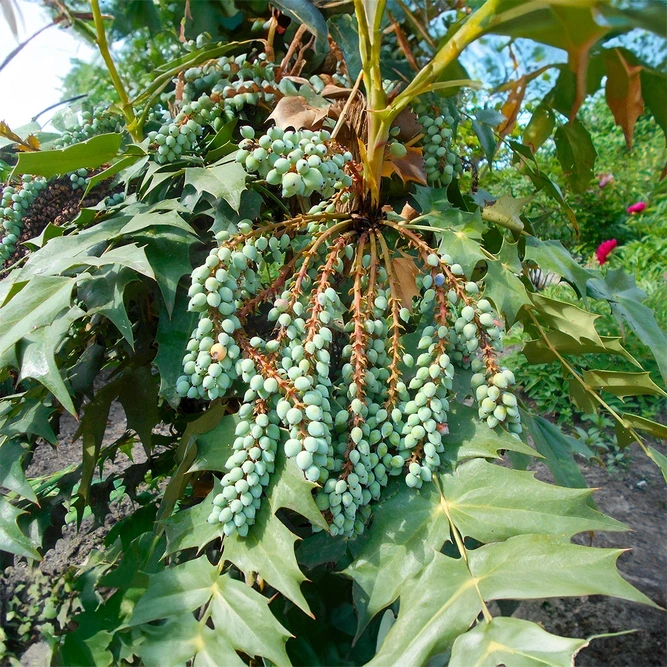
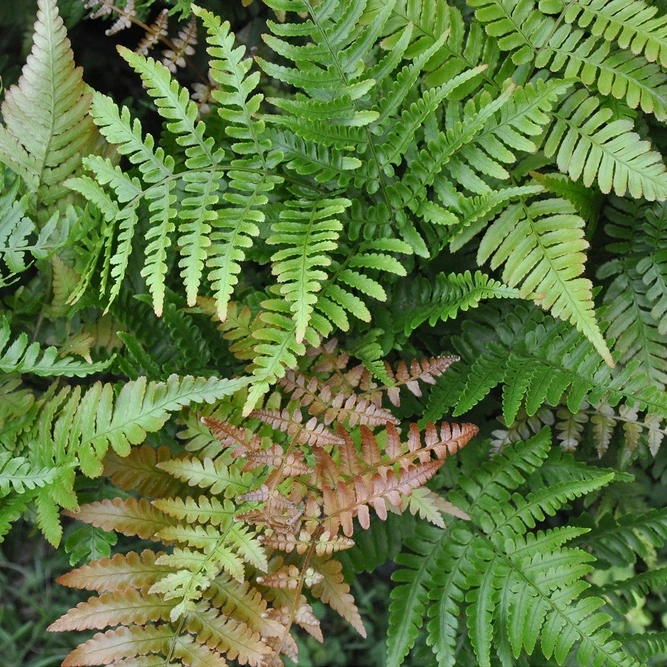
Choose reliably tough H6-H7 structural evergreens or shade-loving ferns for the coldest corners, or switch to raised beds and containers so that hardiness ratings reflect temperature rather than being undermined by waterlogged roots.
Improve heavy soils with compost, grit and organic matter or use raised beds to reduce winter wet, which is often worse for plant health than absolute minimum winter temperatures.
How to use hardiness zones in practice in London
Whichever microclimate you’re working with, treat a hardiness rating as a useful indicator, not an absolute rule.
- Plants rated H1-H3 (half hardy or tender) need protection or growing indoors.
- H4-H6 plants generally withstand London’s average winter temperatures and cold winter nights.
- H7 species, like many northern Europe natives, are entirely frost-hardy across the United Kingdom.
Then adjust for your local climate conditions. Combining RHS hardiness ratings (H1-H7) with awareness of your local micro‑climate, soil type, and exposure gives a far more realistic view of winter hardiness and planting zones in the UK than any USDA planting zones number could offer.
Explore the frost-hardy plant collections at Boma
Understanding hardiness zones and your local microclimate is the first step, now it's time to find the right plants.
At Boma Garden Centre, we've curated collections of reliably hardy plants that thrive in London's climate: browse our evergreens and shrubs for year‑round structure (including camellias, bay trees and skimmias rated H5-H6), our perennials for tough, frost‑hardy colour, or our ferns for shaded, damp corners where other plants struggle.
For vertical interest, explore our climber plants (jasmine, clematis, akebia), and for edible hardiness, our herb plants include rosemary, sage and thyme suited to outdoor growing year‑round.
Visit us in Kentish Town to browse our full collection, where our team can advise on which plants suit your garden's hardiness zone, aspect and soil, or shop outdoor plants online for local M25 delivery.
London Hardiness Zones FAQs
What's the difference between USDA hardiness zones and RHS hardiness zones?
The USDA hardiness zones group regions by their average annual minimum winter temperatures and are mainly used in the United States. In contrast, the RHS hardiness ratings (H1-H7) are designed for UK conditions and define how much frost a plant can tolerate based on local minimum winter temperatures. While USDA zones give a broad global comparison, RHS ratings offer a more accurate guide to plant survival in the UK’s temperate maritime climate.
Boma Garden Centre · Kentish Town
Continue your planting journey with Boma
Explore curated plant collections, handmade pots & planters, and garden essentials, carefully chosen to help London's plant lovers create beautiful, thriving spaces.
Pots & Essentials
Independent garden centre · Expert plant advice · Local London delivery