

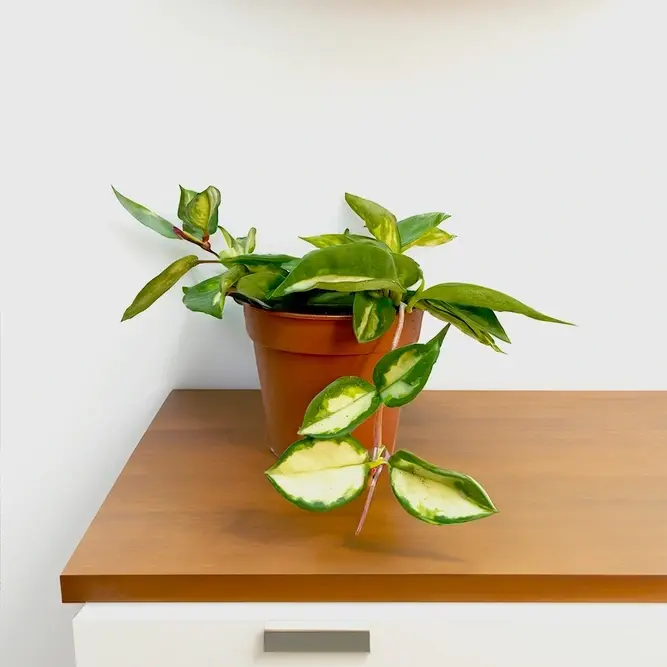
Indoor houseplants thrive in London homes when you treat them like characters in the story of your space: each with a favourite window, a preferred level in the room, and a microclimate where they quietly get on with growing.
If you’ve ever wondered where to put plants in the house so they actually grow rather than sulk, the answer is to match the right species to the right room, light and container, then let them get on with bringing life and oxygen into your home.
First, read your London light
Light is the make-or-break factor for where you place any houseplant, especially in a city of narrow terraces, bay windows and shaded mansion blocks. Most houseplants thrive in indirect light, but some love direct sunlight and others prefer gentle shade, so prioritise light before you buy.
- North-facing windows deliver cooler, softer indirect light all day — perfect for easy house plants and shade-tolerant plants such as Chinese evergreens and snake plant varieties. They’re common in the garden-facing back rooms of Victorian terraces and the lower floors of mansion blocks where neighbouring buildings reduce direct sun.
- East-facing windows provide gentle morning sun and bright, indirect light for the rest of the day — ideal for a wide variety of foliage plants and many houseplants that dislike harsh afternoon direct sun.
- West- and south-facing windows can be bright and hot in summer, giving cacti and aloe vera the direct sunlight they love, while more delicate indoor plants sit a little back from the glass.
- Internal hallways and shady corners rely on borrowed natural light, so you need genuinely low-light houseplants, or you offset shade with mirrors, pale surfaces and clever plant stands to lift foliage closer to the window.
In dense, tree-lined streets — common across Kentish Town, Highgate and parts of Camden — even west- or south-facing windows can be significantly filtered in summer. It’s worth observing how light actually moves through your rooms across the day before committing to placement.
Use mirrors adjacent to windows to reflect light back into dark corners and help other plants survive in spaces that would otherwise be too dim. Once you’ve mapped your light and temperature, you can place plants with far more confidence, instead of guessing and hoping they’ll adjust.
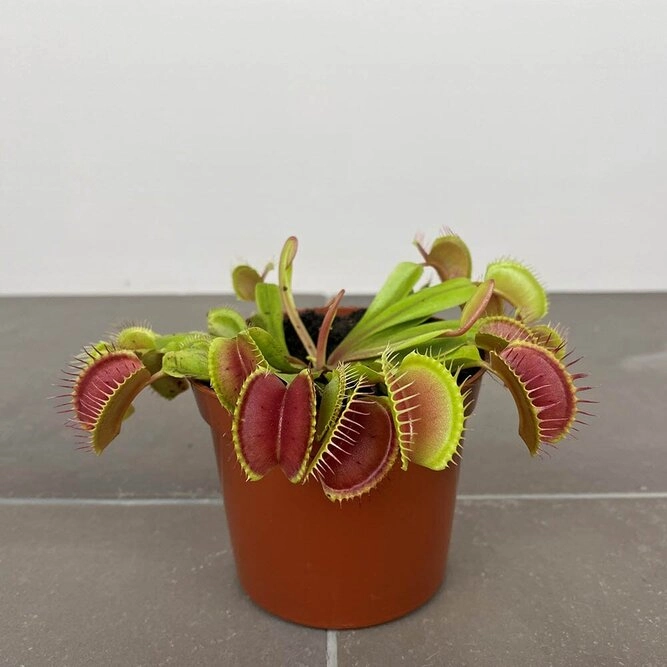
Living room: statement plants that frame a view
In many North London flats, the living room is where the biggest windows — and your best foliage — live. Large specimens instantly make a rented sitting room feel curated rather than temporary, especially when you lift them on plant stands to create layers of height.
Anchor a reading corner with a tall specimen
Use a big plant to visually “bookend” a sofa or armchair, softening hard corners and drawing the eye to your best natural light.
In a bright but not scorching bay window, a Fiddle Leaf Fig (Ficus lyrata) or Rubber Plant (Ficus elastica) from Boma’s Large Indoor Plants section adds height and drama. Place it about 50–100 cm back from a south- or west-facing pane so the leaves get bright, filtered indirect light rather than several hours of harsh direct sunlight that can scorch new growth.
In cooler, north-facing living rooms, shift to a Ficus benjamina — it thrives in consistent, indirect light, but be aware it is highly sensitive to draughts and temperature changes. It will shed leaves if moved or placed near cold air from old sash windows, so choose its spot carefully and leave it alone.
Layer a medium plant like a Peace Lily from Boma’s Flowering Indoor Plants at coffee-table or sideboard level to echo the larger canopy and tie the vignette together.
Soften TV units and shelves with trailing foliage
Screens and storage can dominate small London living rooms; trailing plants pull everything back into the world of the living.
On a floating shelf above a TV, let a Golden Pothos (Epipremnum aureum) spill from the edge, chosen from Boma’s Foliage Plants. Pothos tolerates lower light, so it copes well a couple of metres back from an east- or north-facing window, especially in long Victorian living rooms.
Mix in Spider plants from Boma’s air‑cleaning collection on a bookcase to add arching, variegated foliage and help freshen city air; spider plants thrive in lounges and bathrooms alike thanks to their tolerance of humidity and pollutants.
Position trailing house plants high on shelves to create “leading lines” that draw the eye upward and make the ceiling feel taller, using vertical space rather than crowding the floor. Group plants in odd numbers — for example, three potted plants of different heights — for a natural, relaxed look.
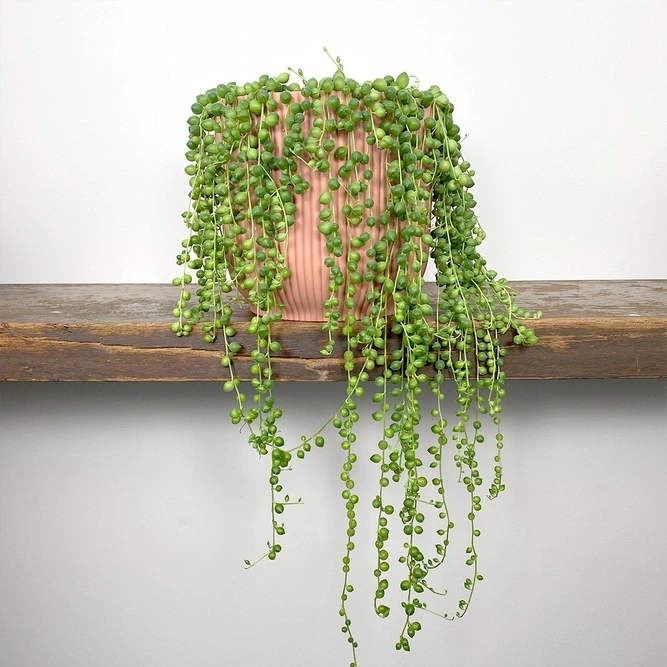
Kitchen: productive green edges and herb stations
Kitchens in London terraces often have the best consistent light but limited worktop space, so the trick is to use vertical space, window sills and the sides of cupboards.
Build a living herb ledge by the sink
If you’re lucky enough to have a sunny, east- or south-facing kitchen window, treat it as your miniature indoor garden.
Place pots of herbs and compact edibles from Boma’s Indoor Plants on the window sill where they receive a few hours of gentle direct sun in the morning or bright indirect light for the rest of the day. Rotate the pots every week so all sides get even light, preventing them from leaning and encouraging balanced leaf growth. Use a slimline tray and a decorative container or cachepot to corral the pots; keep your plant in its nursery pot so excess water can drain freely without pooling at the roots.
For deeper, shaded kitchen windows — a common feature of lower-ground and basement flats in converted terraces across Camden and Kentish Town — swap sun-hungry herbs for shade-tolerant foliage like compact Syngonium or Asplenium (Crispy Wave) from Boma’s air‑cleaning collection. These indoor plants prefer indirect light and more shade than many herbs, so they’re a better choice in dark spots.
Hang plants from high cupboards and rafters
Galley kitchens often have no spare surfaces, but they do have height.
Fix a simple hanging rail or hooks beneath wall cupboards and hang trailing Philodendron, Pothos or Fern varieties from Boma’s Foliage Plants. In steamy kitchens with frequent cooking, these plants will appreciate the extra humidity, as long as they’re not directly above the hob or a strong source of dry air. Keep foliage 30–40 cm away from spotlights to avoid scorched leaves, and choose washable pots or liners so cooking grime doesn’t build up on terracotta.
Stagger heights and textures: a tall upright plant on the floor, mid-level hanging planters, and small, leafy cuttings on the window sill will create depth and visual intrigue in even the tightest space. This turns the “dead zone” between cupboards and ceiling into a lush canopy that makes even a rented, white-boxed kitchen feel bespoke.
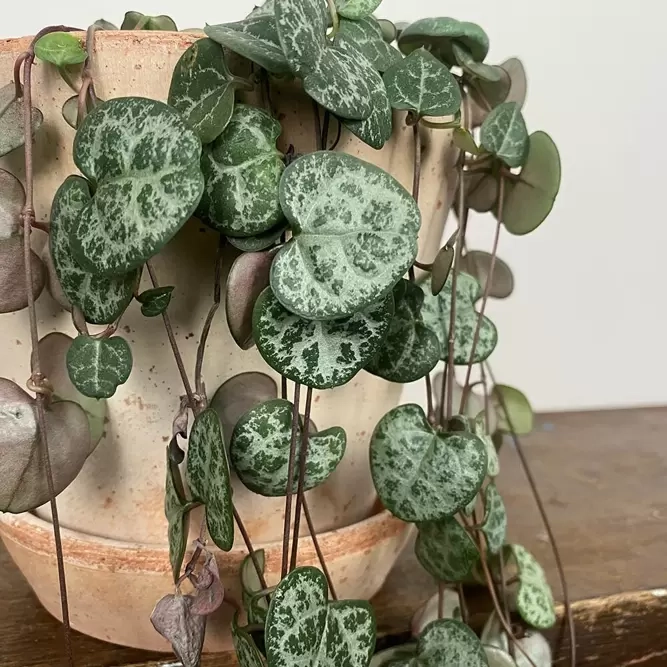
Bedroom: calm, air-cleaning greenery
Bedrooms in London homes are often on the quieter, shadier side of the building, which suits many foliage houseplants beautifully. Plants in the bedroom can improve indoor air quality, filtering toxins such as formaldehyde and benzene, and adding a sense of calm to the room.
Style the bedside table with low-glare foliage
You want restful shapes and gentle textures near the bed rather than spiky silhouettes.
Place a compact Peace Lily, Begonia or African Violet from Boma’s Flowering Indoor Plants on a bedside table in a north- or east-facing room. These flowering indoor plants prefer bright, indirect light, so set them slightly back from the glass in tall Georgian sash windows to avoid harsh direct sun on delicate leaf surfaces.
For particularly dark bedrooms in basement flats, choose a tough Cast Iron Plant (Aspidistra) or Snake Plant (Sansevieria) from Boma’s indoor range, both known to cope with low light and dry areas near radiators. Snake plants use a form of photosynthesis that allows them to release oxygen at night, making them a particularly good choice for bedrooms where fresh air matters. Pair your favourite plant with a lamp that has a warm, diffused shade; you’ll still see the silhouette of the foliage at night without stressing the plant with heat.
Create an air-cleaning cluster in a bay or alcove
If you have a generous bedroom bay, let a cluster of plants occupy the lower third of the window.
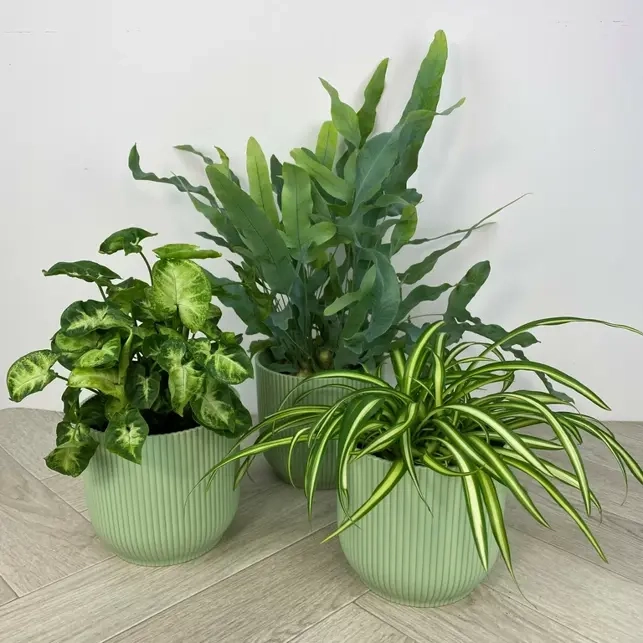
Start with Boma’s curated 5 Air Cleaning Houseplants — species like Phlebodium (Blue Star fern), Syngonium, Asplenium, and Chlorophytum are chosen for their air-purifying potential and adaptability. Arrange them at different heights using stools, shelves, plant stands and stacked books to create a layered horizon of green when you wake up. Group plants in odd numbers such as three or five pots; this simple design rule mirrors patterns in nature and looks more relaxed than rigid pairs.
Because the set is pre-selected, most plants in the mix will suit typical London bedroom temperature, humidity and light levels, with only minor repositioning through the year as the sun shifts from winter to summer.
Bathroom: embracing steam and shade
London bathrooms range from sun-drenched roof-terrace ensuites to windowless internal shower rooms. The right indoor plants will either revel in the high humidity and moisture or shrug off the gloom.
Turn a bright, steamy ensuite into a mini-jungle
In south-facing attic bathrooms, the combination of light and humidity can be magical for the right species.
Hang Boston ferns, Blue Star Fern (Phlebodium) and Asplenium from Boma’s indoor foliage near, but not directly over, the shower. Bathrooms with windows are perfect for humidity-loving plants like Calathea or Boston ferns; they benefit from the high humidity and filtered light.
Nestle a Calathea, orchids such as Phalaenopsis, or Begonia from Boma’s Flowering Indoor Plants on a shelf where it receives dappled, indirect light; orchids prefer this kind of soft exposure to avoid leaf burn. Use ceramic or plastic cachepots to protect grout and woodwork from constant moisture, keeping the nursery pot inside for proper drainage.
Steam rises, so higher shelves are often more humid; place the ferns there and keep slightly tougher plants lower down where the air is a little drier.
Green up low-light or windowless shower rooms
Internal bathrooms are common in converted London flats, but you can still introduce living plants if you’re strategic.
Choose shade-tolerant species like Aspidistra, snake plant or ZZ plant, selected from Boma’s Indoor Plants range, to cope with dark conditions. Give them a “holiday” in a brighter room once a week, letting them recharge on a living room window sill before returning to their bathroom base. Alternatively, position plants just outside the bathroom door in a light-filled hallway, so you still see greenery from the shower without compromising their health.
If you add a small grow light on a timer — increasingly common in design-conscious London flats — choose warm-white, houseplant-safe LEDs and keep them at least 30 cm from foliage so you don’t accidentally scorch delicate stems.
Hallways, landings and home offices
These “in-between” spaces stitch London homes together and are often where you feel the lack of nature most intensely. Designing for microclimates here — grouping tropical houseplants together to increase local humidity through transpiration — helps them thrive even away from obvious window spots.
Hallway consoles and stairwell landings
Narrow entrances in Victorian terraces may only get slivers of light from fanlights or side windows, but that’s enough for carefully chosen plants.
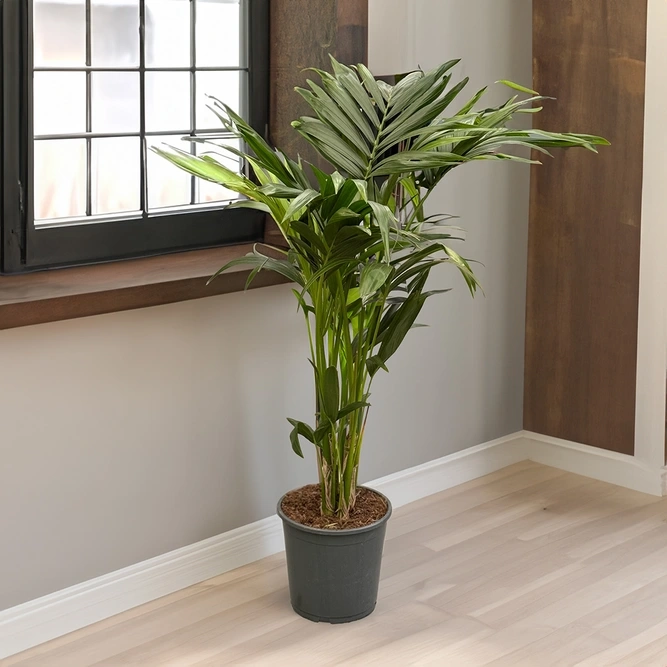
Place a Cast Iron Plant or snake plant from Boma’s indoor collection on a console beneath a hallway mirror to create a welcoming focal point that can tolerate shade. On half-landings where there’s a small window, add a tall, slender Dracaena or Yucca from Boma’s Large Indoor Plants range to draw the eye upward and make narrow staircases feel grander. Use heavy pots or weighted stands on stairs in busy family homes so curious pets don’t send them tumbling.
A single well-placed plant here changes the first impression of the whole house as you walk in from the street.
A focused, green home-office nook
Working from a home office in London often means perching at a desk in a spare room, alcove or even a corner of the living room. Thoughtful plant placement can make these compact setups feel grounded and calm, helping you breathe easier through long calls.
Place a Money Tree (Pachira aquatica) or ZZ plant beside the desk in bright, indirect light; both are tolerant and sculptural. Pachira handles lower light better than many desk plants, though it will put out more growth with a decent natural indirect light source. Add air-cleaning companions like Spider plants or Syngonium from Boma’s 5 Air Cleaning Houseplants set to sit on shelves within your eye line during video calls.
If your home office faces south, protect foliage from intense midday direct sun with a sheer blind or by placing plants just out of the direct beam on nearby shelves.
Even two or three carefully chosen houseplants can make screen time feel softer and improve overall comfort in a small London workspace, especially when most houseplants are given the right potting soil, drainage and light.
Pots, soil and simple care that help houseplants thrive
Knowing where to put indoor plants in the house is only half the story; the right pots and potting soil make the difference between lush growth and sad, yellowing leaves. Most plants need containers with at least one drainage hole so excess water can escape and the roots don’t sit in soggy soil.
- Keep your plant in its nursery pot and slip it inside a decorative container or cachepot from Boma’s Pots and planters selection so you can water freely, then tip away any excess from the outer pot.
- Use quality potting soil suited to indoor plants; this balances moisture and air around the roots and supports steady growth.
- A gentle liquid fertiliser in spring and summer gives many houseplants the nutrients they need to push out fresh stems, foliage and flowers.
Keep houseplants away from direct heat sources like radiators or cold draughts near old sash windows, and adjust watering through winter when growth slows and soil stays moist for longer.
Many houseplants also appreciate the company of other plants; when you group them together, transpiration increases humidity around their leaves so they thrive in London’s centrally heated homes.
Using Boma collections as ready-made “placement palettes”
If you’re not sure where to start, Boma’s curated sets and categories are an easy way to match plants to your home’s light levels and style.
| Boma Range | Best for London Spot | Why It Works | Example Placements |
|---|---|---|---|
| Indoor Foliage Plants | Living rooms, bedrooms with decent light | Wide mix of textures and sizes suited to indirect light | Reading corners, TV units, shelf displays |
| Large Indoor Plants | Bays, empty corners, stair landings | Tall specimens that add architecture to rooms | Sofa bookends, hallway landings, dining-room corners |
| Flowering Indoor Plants | Bedside tables, dining tables, bright bathrooms | Pops of colour that enjoy bright, indirect light | Bedside accents, bathroom shelves, coffee tables |
| Indoor Plant Collections | Starters or quick styling wins | Pre-curated mixes that suit typical London homes | Ready-made mantelpiece or windowsill displays |
| 5 Air Cleaning Houseplants | Bedrooms, home offices, lounges | Species selected for air-purifying qualities and resilience | Bay clusters, desk companions, TV-area groupings |
Because Boma delivers across London within the M25, you can plan a whole-home plant layout and have the right species arrive together, ready to place.
For the best experience of all we have to offer, from our expertise to our stunning walkthrough displays, pop down to Boma for a visit. We’ll help you find everything you need for the perfect houseplant placement in your own London home.
Where to put houseplants FAQs
Where to put houseplants in the house for feng shui?
In feng shui, the east, southeast and south areas of your home are generally considered the most auspicious spots for plants, supporting the wood element and inviting positive energy for health, wealth and recognition. Place plants near entryways to welcome chi, in living room corners for a sense of abundance, or in east-facing bedroom areas for vitality — always ensuring they receive adequate light and aren’t blocking pathways or crowding spaces where energy should flow freely.
Choose plants with soft, rounded leaves like jade or pothos for calming energy. Views on the north zone vary across different schools of feng shui — if you have a thriving plant in a north-facing spot, the priority is that it’s healthy. A flourishing plant in an “imperfect” position is considered far more auspicious than a struggling one placed according to principle.
Which rooms are best for houseplants?
Living rooms and kitchens are generally the most plant-friendly rooms in a London home, combining decent natural light with consistent temperatures. Bathrooms with windows are excellent for humidity-loving species like ferns and calathea. Bedrooms suit low-maintenance, low-light plants such as snake plants and cast iron plants. The rooms to approach more carefully are north-facing hallways with no natural light and south-facing rooms with unfiltered direct sun, where you need to choose species specifically suited to those conditions rather than assuming any plant will adapt.
Where should you not put houseplants?
Avoid placing houseplants directly above radiators or heating vents, where hot dry air will quickly stress foliage and dry out soil. Cold windowsills in winter — particularly on single-glazed sash windows common in older London properties — can damage tropical species overnight. Keep plants away from cold draughts near exterior doors, out of direct midday summer sun unless they are specifically sun-adapted, and away from ethylene-producing fruit bowls, which can accelerate leaf drop in sensitive species. Windowless bathrooms and internal rooms with no natural light at all are also difficult without supplemental grow lighting.
Where is the best place for houseplants in a small flat?
In a small flat, vertical space is your best asset. Use floating shelves, hanging planters and tiered plant stands to build height without crowding floor space. A single large specimen in a corner often has more visual impact than several small pots scattered around. Prioritise the window sill and the area within a metre of your best light source, and use mirrors to bounce light deeper into the room. Trailing plants on high shelves — pothos and philodendron are particularly forgiving — create the impression of lushness without taking up any surface area at all.
Boma Garden Centre · Kentish Town
Continue your planting journey with Boma
Explore curated plant collections, handmade pots & planters, and garden essentials, carefully chosen to help London's plant lovers create beautiful, thriving spaces.
Pots & Essentials
Independent garden centre · Expert plant advice · Local London delivery