

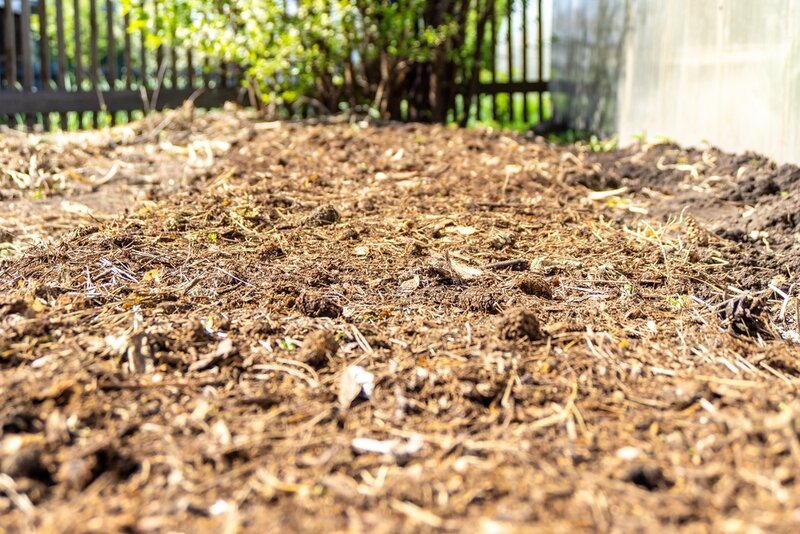
You can improve soil drainage in many ways. Most plants will require well-drained soil, which means their roots absorb the water and nutrients, but they don’t sit in heavy wet soil, contributing to rot, disease and pests. There are, however, soils that, even though they may not be well-drained, can still look beautiful as long as the right plants have been chosen for that soil. It’s important to have good drainage in pots and containers as well, so here are our tips to help.
Improve soil drainage in your garden
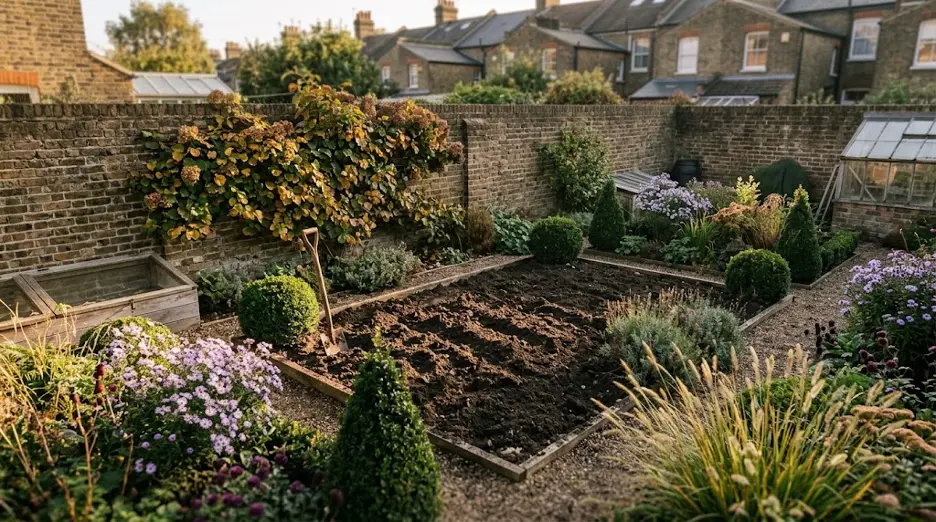
Along with roots sitting in wet soil, compacted soil that doesn’t drain well can also contribute to run off meaning water doesn’t get absorbed at all. Plant roots can also be starved of oxygen if the soil is compacted. Sand is a good and cheap way to improve drainage. Incorporating it into your garden soil will help break it up and help aerate for healthier roots. Many hard soils have little organic matter, so adding in some well-rotted organic compost such as manure or garden compost helps break down clumps of soil and provides nutrients needed for your plants to grow. Soil conditioners can also help or try green manure and leaf mulch.
Improve your soil drainage in containers
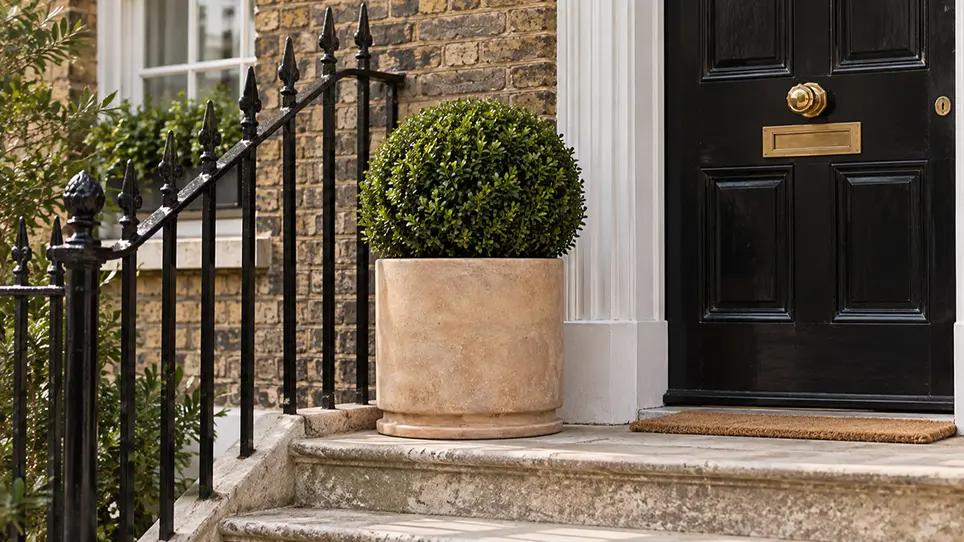
Ensuring your pots and containers have good drainage is important for your potted plants. They need a good loamy compost, full of nutrients that don’t sit in water. Follow these steps to ensure your containers provide excellent soil drainage.
- Firstly, make sure the soil is a good quality potting compost.
- Make sure the pots have holes in the bottom for water to escape, and as an extra precaution, particularly in winter, put the pots up into pot feet, allowing for even better drainage.
- Each year, remove some of the compost from the top of the pot and replace it with new compost and top dress.
Improve soil drainage with mulch
After you have improved the soil with amendments as suggested above, adding a layer of mulch is a great way to ensure the soil isn’t bare and therefore at more risk of compaction plus, it helps keep down weeds. There are many types of mulch from well-rotted compost, farmyard manure, chicken manure, wood chip, straw and grass clippings. Leaves are another great way of mulching and clearing up after leaf fall.
Alternatives to improve your soil
You could try the no-dig method of gardening, create a bog garden, or use the space for something entirely different. There is no need for the space to be wasted as there are options, and although it might take some work, it will be worth it. Don’t forget to try not to walk on compacted soil as well.
We have a range of mulches and compost in store for your garden borders and containers.