

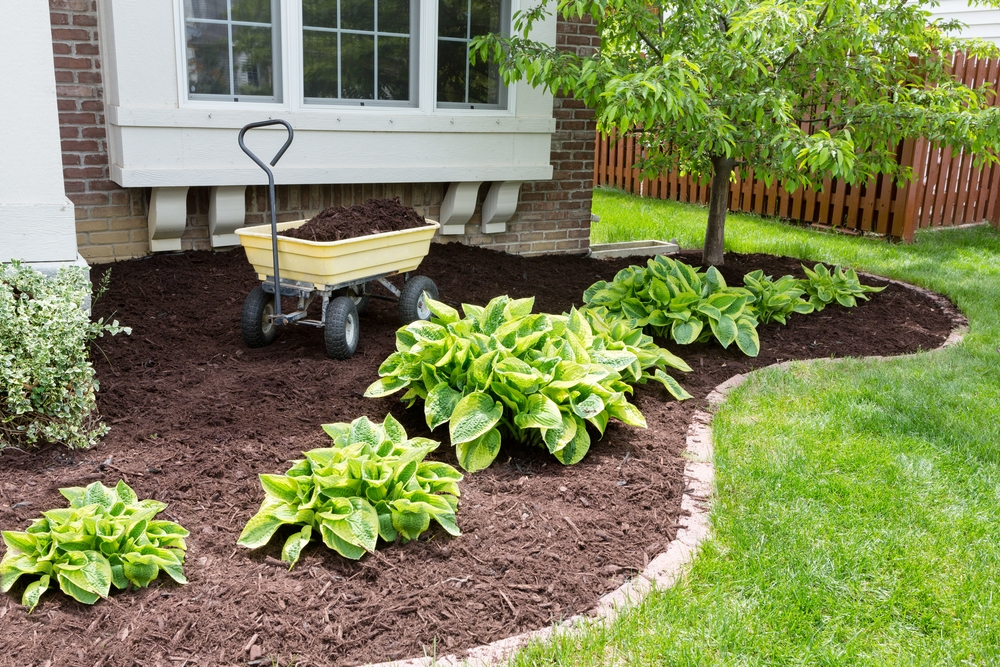
Mulching your soil annually is one of the best things you can do for your garden, improving soil structure and nutrient levels and giving you stronger, healthier plants. Follow our simple guide to mulching and get your soil in shape this autumn!
What is mulching?
Mulching soil involves covering it with a layer of material, usually an organic material like garden compost, bark chippings or leaf mould, but materials like pebbles, slate or pea shingle can also be used as decorative mulches.
Mulching serves several purposes:
- It suppresses weeds by excluding light so that weed seeds in the soil can’t germinate.
- It reduces water loss through evaporation, helping plants survive through dry periods.
Organic mulches like compost and leaf mould are gradually worked into the soil by earthworms and other soil organisms, where they break down and improve the soil structure, helping heavy clay soils to drain better and light soils to retain moisture. They also add nutrients that help plant growth.

Types of mulch
Mulches can be either organic (e.g. compost, bark chips, manure and leafmould) or inorganic (e.g. slate, pebbles and shingle).
Organic mulches such as well-rotted farmyard manure, garden compost and leaf mould are all ideal for mulching vegetable beds and beds containing perennials. Bark chips break down more slowly than compost and leaf mould, and they absorb a small amount of nitrogen from the top level of the soil as they break down, so they are best used around deep-rooted plants like shrubs and trees. Bark chip mulch makes a good weed suppressant and breaks down more slowly than other organic mulches, so it doesn’t need to be replaced as often.
Inorganic mulches like pea shingles, pebbles and slate won’t do anything to improve soil structure, but they look decorative and can help suppress weeds and reduce water evaporation from the soil.

How to mulch your soil
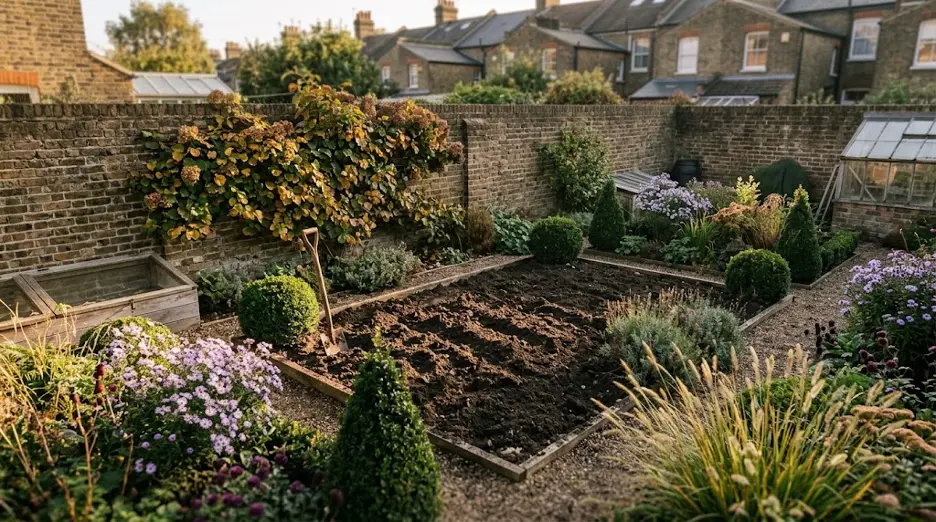
Mulching is a very simple process. It’s best done in autumn or early spring when many plants have died back, and there is space to work around them.
- Make sure the soil is damp before applying mulch. Don’t mulch frozen soil, as the mulch will then form an insulating layer, keeping the soil frozen for longer!
- Before mulching, clear the area of weeds and fallen leaves, and cut back any perennials that have died back.
- Spread a thick layer of mulch (at least 5cm/2in deep) over the soil, taking care not to cover plants. If you don’t have enough mulch to do your whole garden, it’s better to do a thick layer of mulch over a small area, gradually working around the garden over a period of time.
- When mulching around shrubs and trees, leave a space around the trunk of the plant so that the mulch doesn’t touch the bark.
We have a fantastic range of mulches and soil conditioners in stock to keep your soil in tip-top condition. Visit us today and give your garden a treat this autumn!