

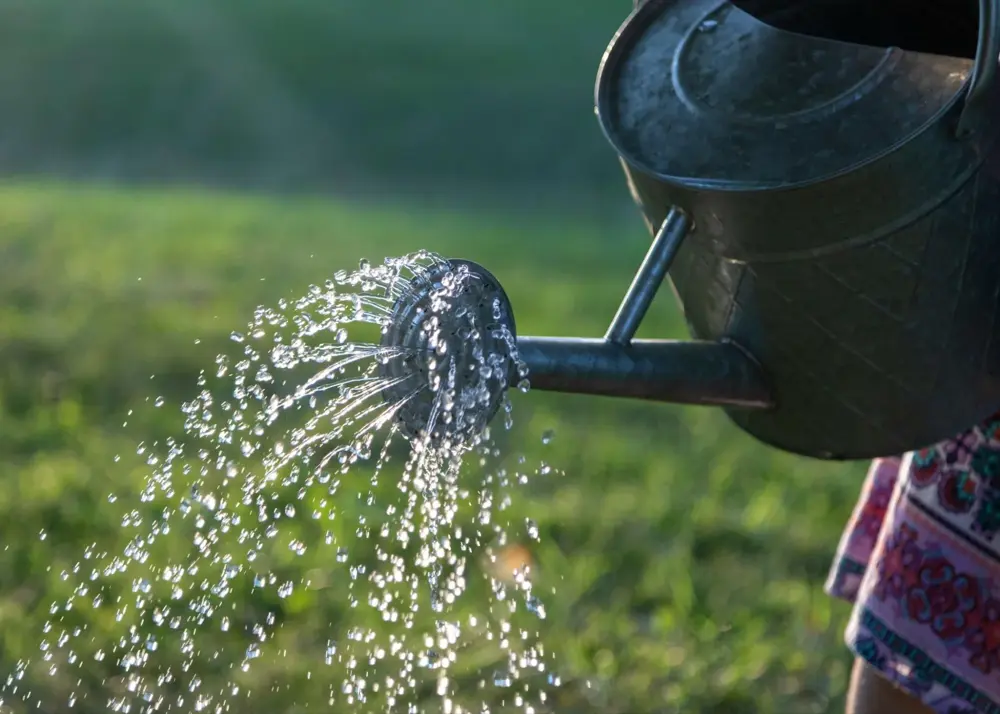
To water garden plants effectively, you should water deeply but less often, use tools that deliver water straight to the root zone and composts that hold moisture for longer.
Timing, technique and the right equipment (from Gardena irrigation systems to simple watering cans and moisture‑retentive, peat‑free compost) help you keep soil evenly moist, support strong root growth and reduce both plant stress and water waste.
This introduction‑to‑watering guide explains when to water so less moisture is lost to evaporation, how much different areas such as borders, lawns and containers need, and the basic techniques that prevent both underwatering and waterlogging.
It also highlights the most useful watering tools and moisture‑retaining composts available from Boma Garden Centre, then finishes with practical, area‑by‑area tips to help you set up an efficient routine that suits your garden and schedule. Let’s dive in!
Visit Boma Garden Centre in Kentish Town to discover our full range of garden watering tools, stunning displays and expert London garden advice.
When to Water Garden Plants
- Water early in the morning or in the evening so less water is lost to evaporation and plants can take up moisture before heat or wind builds.
- In hot, dry weather spells, beds and lawns may need watering daily or every other day to keep soil evenly moist, especially on free‑draining ground.
- In cooler, damp weather, reduce watering and always check the top few centimetres of soil first; if it still feels moist, wait another day. Overwatering is as damaging as drought and encourages shallow roots.
For consistent scheduling, a programmable unit such as the Gardena Water Control Flex lets you set short, precise watering cycles to match the season and soil.
How Much Water Plants Need
- Aim to water less often but more deeply so moisture penetrates to the root zone; this encourages deeper, more resilient roots.
- As a guide, most established plants benefit more from a thorough soak once or twice a week than from a light sprinkle every day, which only wets the surface.
- Container plants, hanging baskets and window boxes dry out much faster and often need daily watering in summer, sometimes twice a day in extreme heat.
Using moisture‑retentive, peat‑free compost formulated for pots and baskets helps buffer plants against drying out and reduces how frequently you need to water.
How To Water Plants Effectively (Basics)
To water outdoor plants effectively, focus on delivering water slowly to the root zone, checking soil moisture before you start, and adapting your approach to the plant, soil and weather on the day.
Working with the soil rather than to a fixed schedule prevents both underwatering and waterlogging and makes every litre go further. Here are our top general watering tips:
- Check moisture at root depth with a finger, trowel or probe and only water when it feels slightly dry, testing a few spots as sunny or raised areas dry out fastest.
- Aim water onto the soil at the base of plants, keeping leaves as dry as possible so moisture soaks down to roots instead of evaporating and to help reduce fungal problems.
- Use a gentle spray, drip line or watering rose so water infiltrates slowly and deeply, stopping once soil is moist several centimetres down rather than continually topping up.
- Adjust your technique to soil type, applying water in stages on very free‑draining soils and more slowly and less often on heavier or compacted ground so it can penetrate.
- Help soil stay moist between waterings by mulching bare ground and giving pots some shelter from wind and strong sun, which quickly strips moisture from compost and foliage.
The Best Tools For Effective Watering
Choosing the right equipment from Boma Garden Centre makes watering quicker, more accurate and less wasteful.
Gardena irrigation systems
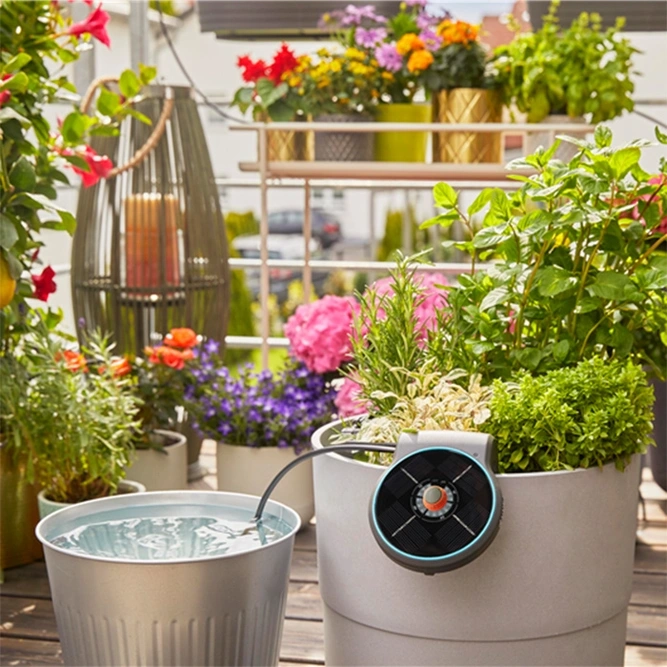
- The Gardena AquaBloom Set: Solar-Powered Irrigation delivers water directly to the base of each plant, dramatically reducing evaporation and keeping foliage dry to limit diseases.
- Micro drip layouts are easy to build using components such as Gardena Supply Pipe 4.6mm 15m, Adjustable Inline Drip Heads and T‑Joints 4.6mm to run through borders, vegetable beds, hedges and pots.
- Combine a micro-drip layout with a Gardena Select Water Computer or Gardena Water Control Flex Computer for automatic, targeted drip irrigation – ideal for holidays or busy weeks.
Boma stocks a dedicated range of Gardena watering and smart‑control products, so you can size a system correctly for anything from a balcony to a full garden.
Hose sets and connectors
- A good hose set makes it easier to reach every corner of the garden without kinks or leaks; options include the Gardena Classic Hose 13mm (1/2"), 15m and compact Gardena Flexi Hose 15m.
- You can pair these with connectors such as the Gardena Hose Connector 13mm–15mm and Gardena Hose Repairer for secure, leak‑free joins.
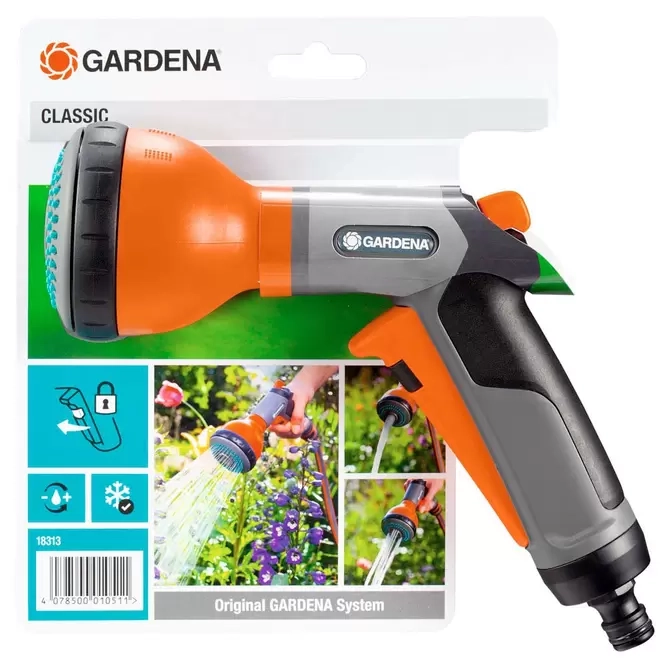
- Adjustable spray nozzles like the Gardena Classic Multi‑Sprayer and Gardena Premium Multi Sprayer let you switch between a gentle shower for borders and a more powerful jet for cleaning paths or tools.
- Gardena accessories such as the Gardena 3‑Way Y‑Coupling and Twin‑Tap Connector 26.5mm allow you to run two watering devices from one tap, for example a hose and a micro‑drip line at the same time.
Explore our full irrigation and watering collection to choose complete Gardena hose sets and compatible connectors for your tap and garden size.
Watering cans and hand watering
- Watering cans are ideal for precise watering of seedlings, individual pots and baskets, and for using liquid feeds exactly where they are needed; choices include the Watering Can Eden 2L range and 5L cans with sprinkler head.
- A rose (sprinkler head) gives a softer flow that will not flatten compost or bruise young plants, while a narrow spout helps reach under leaves where precision is valuable.
- Hand watering with a can or a hose gun such as the Gardena Classic Cleaning Nozzle or Gardena Soft Sprayer also encourages you to look closely at plants, spotting pests, diseases or wilting early so you can act quickly.
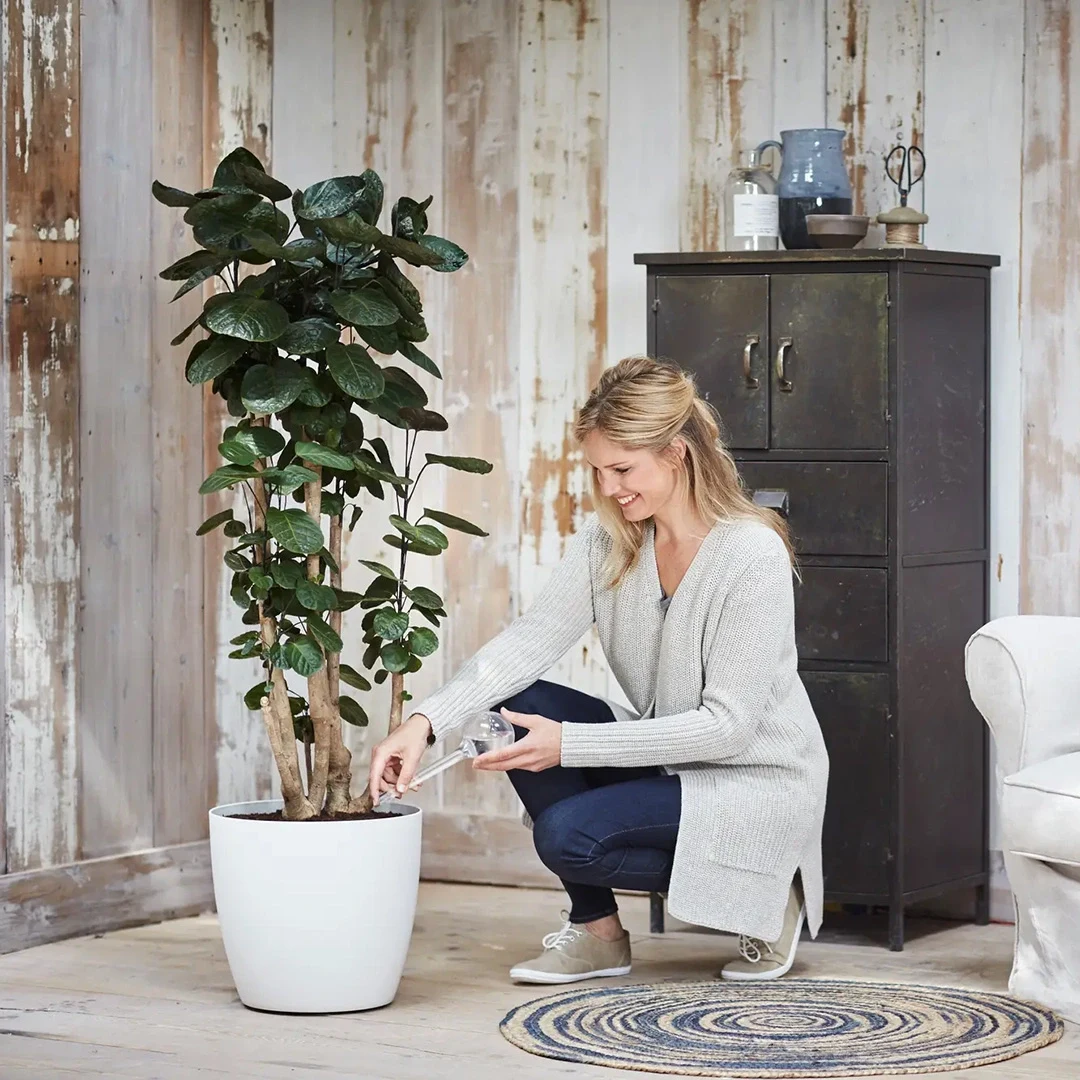
- You can also opt for the Elho Aqua Care Plant Watering System for a hybrid approach of manual and automatic indoor watering over several days, as the globe slowly releases water into the soil whenever it starts to dry out after manual refilling.
Moisture‑retaining compost
- High‑quality, peat‑free moisture‑control composts such as SylvaGrow Tub & Basket Peat‑Free Compost 15L are blended to hold more water than standard mixes and release it gradually to the roots. This makes them especially useful for hanging baskets and containers that dry out quickly in sun or wind.
- Moisture‑retaining ingredients, including coir and water‑holding agents, are built into premium peat‑free mixes like Melcourt All Purpose Peat‑Free Compost 40L, helping pots stay moist for longer between waterings. Blends such as SylvaGrow Multi Purpose Peat Free Compost 40L also improve structure so containers drain freely without drying out too fast.
- Many composts in this range include slow‑release nutrition, for example SylvaGrow Organic Peat Free Compost 40L and SylvaGrow Multi Purpose Compost with John Innes 15L, supporting steady growth for several weeks without frequent liquid feeding. This built‑in feed keeps plants growing reliably while you focus on occasional top‑ups during peak seasons.
- For baskets and outdoor tubs, line with a coir liner if used and fill with moisture‑retentive compost such as SylvaGrow Planter for Organic Growing to slow drying in exposed positions.
- For houseplants and patio pots, House Plant Focus Peat Free Repotting Mix 8L or 25L keeps compost evenly moist while supporting fine root systems in containers.
Practical Gardening Watering Tips By Garden Area
| Garden Area | Watering Tips |
|---|---|
| Flower borders and shrubs |
|
| Lawns |
|
| Pots, baskets and containers |
|
Setting Up An Efficient Garden Watering Routine
- Start by assessing your garden’s sun, soil type and planting; sandy, sunny beds and baskets need the most attention, while heavy, shady soils can be watered less frequently.
- Install a Gardena hose set as your main supply, then branch off with micro‑drip components and couplings to reach beds, veg patches and pots.
- Add a programmable Gardena water control unit so early‑morning irrigation happens automatically, even when you are away.
Need Watering Support For a London Garden?
Whether you are setting up irrigation for the first time, taming a sun‑baked balcony or fine‑tuning watering for mature borders and lawns, the Boma team can help you match the right tools and techniques to your space. From Gardena micro‑drip systems and hose sets to watering cans and moisture‑retentive, peat‑free composts, you can see everything in action and get recommendations that suit your plants, soil and routine.
For tailored advice, visit Boma Garden Centre in Kentish Town to chat with the friendly in‑store horticultural team, or get in touch online for product suggestions and planning support before you buy. Together, you can design a watering setup that keeps your garden thriving through London’s changeable weather while saving time, water and effort.
Boma Garden Centre · Kentish Town
Continue your planting journey with Boma
Explore curated plant collections, handmade pots & planters, and garden essentials, carefully chosen to help London's plant lovers create beautiful, thriving spaces.
Pots & Essentials
Independent garden centre · Expert plant advice · Local London delivery