

Autumn is a special time in the garden. As the summer flowers start to fade, bright colours make space for autumn's rich, warm colours. The warm colours take centre stage and glow in the low sunlight. Here are a few tips on how to make your garden shine this autumn.

Choosing trees for autumn colour
Trees significantly impact any garden, adding height and providing privacy from neighbouring properties. Trees that add autumn colour have an extra impact at a time of the year when the borders start to look tired. When planting trees with fantastic autumn foliage, place them where they will create a focal point, perhaps in front of evergreen hedging or at the centre of a large border. Here are a few of the best trees for autumn colour:
- Japanese maples (Acer palmatum) are famous for their autumn colour. Several also have coloured bark which adds interest in winter.
- Flowering cherries (Prunus) turn stunning shades of red and orange in autumn and have beautiful spring blossoms.
- Silver birches (Betula pendula) have shimmering golden-yellow leaves in autumn, and their gleaming white bark adds interest in winter.
- Dogwoods (Cornus sanguinea, sericea and alba) all have striking red and orange autumn foliage and colourful winter stems.
Autumn flowering perennials
Much of the garden starts to look tired in autumn, but some perennials will keep going almost all the way through to winter. Regular deadheading is the key to a long flowering period. These indefatigable perennials will keep colour on your autumn borders.
- Dahlias are fantastic in early autumn, with flowers in various colours, shapes and sizes.
- Penstemons will flower from midsummer well into autumn. Deadhead them regularly, but don't cut them back until spring.
- Sedums (now called Hylotelephiums) have flattened flowerheads which the bees love, and their leaves add colour and texture to the border.
- Ornamental grasses look their best in autumn, with the low light catching the dried flower plumes. Leave them to stand through winter and cut them down in spring.
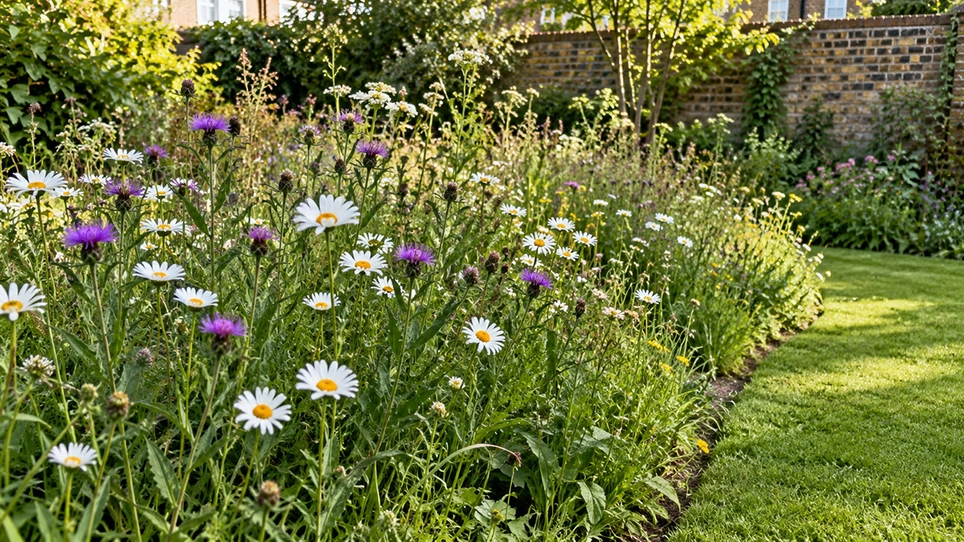
- Asters (now called Symphyotrichum) are dazzling at this time of year, with myriads of small daisy-like flowers in jewel-like colours. Stake them early to keep them from flopping over.
Adding autumn colour with berries
Plants with berries add colour to the garden in autumn and winter and provide birds with food. Here are a few of the best berries for autumn:
- Rowan (Sorbus) – as well as fantastic autumn foliage, it also bears sprays of bright berries.
- Hawthorn (Crataegus) – a deciduous shrub or tree with excellent autumn foliage and bright red berries.
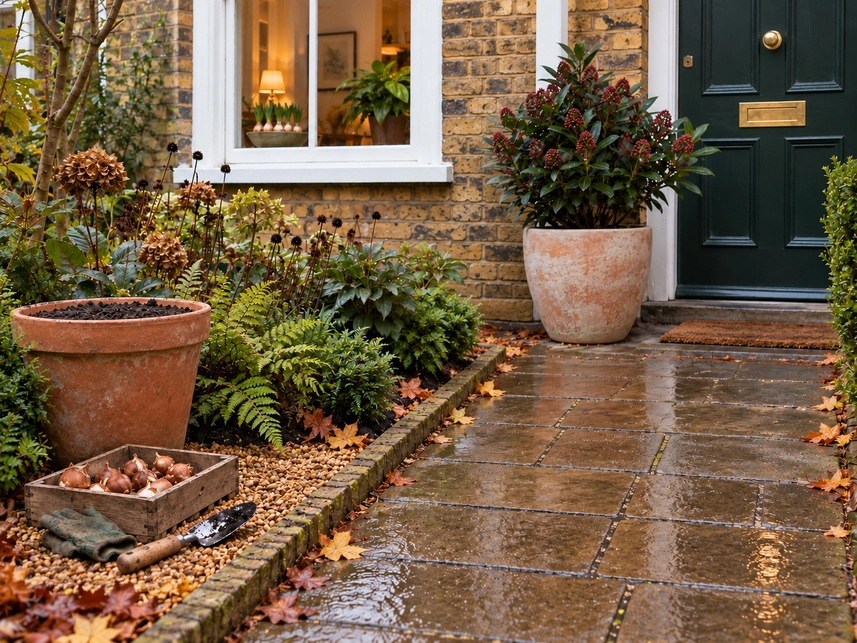
- Pyracantha – evergreen, with clusters of vibrantly coloured orange, yellow or red berries. This thorny shrub provides good shelter for birds.
- Crab apples (Malus) produces brilliantly coloured small fruits, though these may not last long on the trees as they are very popular with birds and other wildlife.
Our fantastic range of autumn plants is just what you need to add seasonal colour to your garden. Visit us today!