

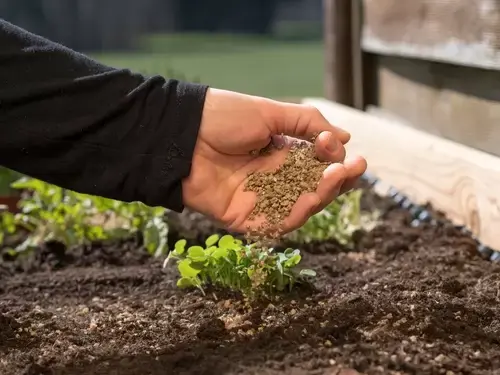
Time to start feeding your garden plants as many come into active growth and the temperatures increase. Fertilising garden plants means providing them with the right levels of nutrients so they can thrive and survive, giving you a display of abundant flowers, fruits and vegetables. Fertilisers are used to boost flowering and is specifically useful for plants growing in containers.
Why start feeding your garden plants
Container plants can only get the nutrients that you supply them with, so they will need to be given feed as the soil they grow in will soon be depleted of nutrients as the plants grow so this is usually essential. However, plants in beds and borders might not need feeding at all because it is actually quite rare that soil has little nutrients according to an RHS study. To benefit from a good crop of fruits and vegetables, some can do better with regular feed such as tomatoes and cucumbers grown in pots. Plants need a range of suitable growing conditions to thrive, from water to sunlight and of course nutrients. What you will provide them with when using fertilisers is nitrogen, phosphorus and potassium. Look out for those on the fertilisers you choose and look for organic fertilisers too.
What to start feeding your garden plants with
Fertilisers will contain the nutrients needed often in liquid or pellet forms and there are many different types of synthetic fertilisers to choose from. There are also plant-based fertilisers and natural types too such as homemade garden compost, well-rotted manure and even seaweed so choose which is best for you and the environment.
How and when to start feeding your garden plants
Generally, you will know if your plants need extra feeding if they are looking unwell. Plants tell you when they need something! Look for yellowing, low fruiting or flowers, limited growth and feed between spring and summer as there is no need to feed during the dormant months.
- Slow-release fertilisers release nutrients over time and can save you from having to reapply too often.
- Liquid fertilisers that will need diluting as per instructions with water and applied to the soil.
- Pelleted fertilisers can simply be sprinkled on top of others mixed in with the compost.
Your choice of fertiliser depends on what is easiest for you and best for your plants and wildlife.
Speak to any member of our team when you visit us in the store for advice about fertilising plants.