

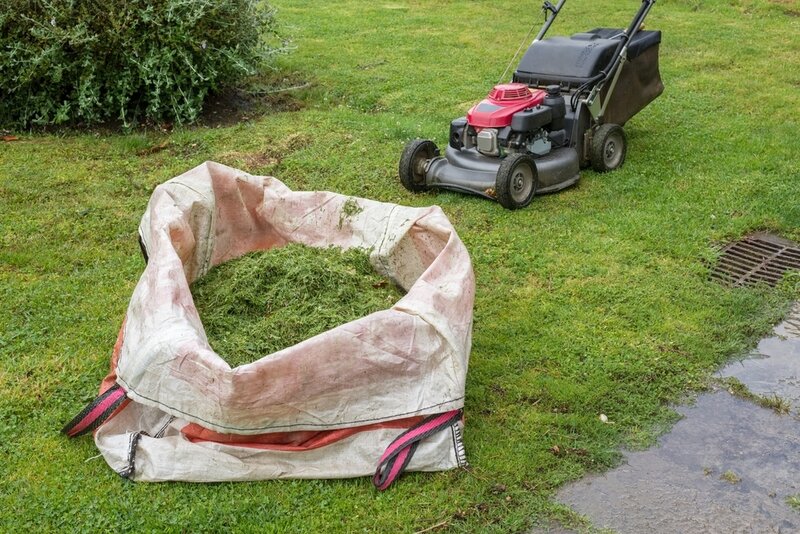
We are often asked when to stop mowing your lawn in autumn. The answer is, it can vary! So we have put together this guide to help you with keeping your property in tip-top shape over the winter months, and that all starts with doing the right thing in autumn. Even though it is much colder outside now, there is still plenty to be doing in the garden and preparing the lawn is one job you need to do.
- Prepare the lawn
- Mowing the lawn
- Taking care of your lawn
Know when to stop mowing your lawn in autumn by preparing it first
Before even thinking of mowing your lawn, the first thing to do is to make sure it is prepped and ready for mowing and the cooler months ahead. There is considerable leaf fall during autumn, and if you have trees around your garden, grab your leaf rake and rake up all leaves and debris. Don't forget to put the leaves into leaf bags to store and make your leaf mulch. It is often a sign when at least half of the leaves from deciduous trees have fallen that it is time to stop mowing the lawn.
So when should you stop mowing your lawn in autumn?
It is all about grass growth.
- If the season is warm, you will find your grass continues to grow.
- If it is cold, grass growth will slow down considerably.
So depending on what area you live and what the climate is doing each year will dictate when your garden grass stops growing. It is really important to start planning ahead for this and never mow the lawn too short. Start lifting the blade on your mower, so each mow is slightly longer than the last until most likely November. Mowing doesn't need to take place between December and March but also if you really do need to, and the grass isn't frosty or soaking wet, an occasional tidy up won't hurt,
Now you know when to stop mowing your lawn in autumn. What next?
Over the winter months, you will most likely be staying warm indoors than running around on the lawn but don't forget to go out into the garden and enjoy the frosty winter mornings. Try to step on the wet, icy lawn a lot less than you would in the summer to prevent any damage, and if you need to trim edges or around pathways, that's a great way to keep things looking neat. You can use a garden fork to aerate the lawn as well and remember to give your mower a clean and service, so it's ready for spring.
Lawnmowers, grass seed and all tools needed to keep your lawn looking great can be found in store.